
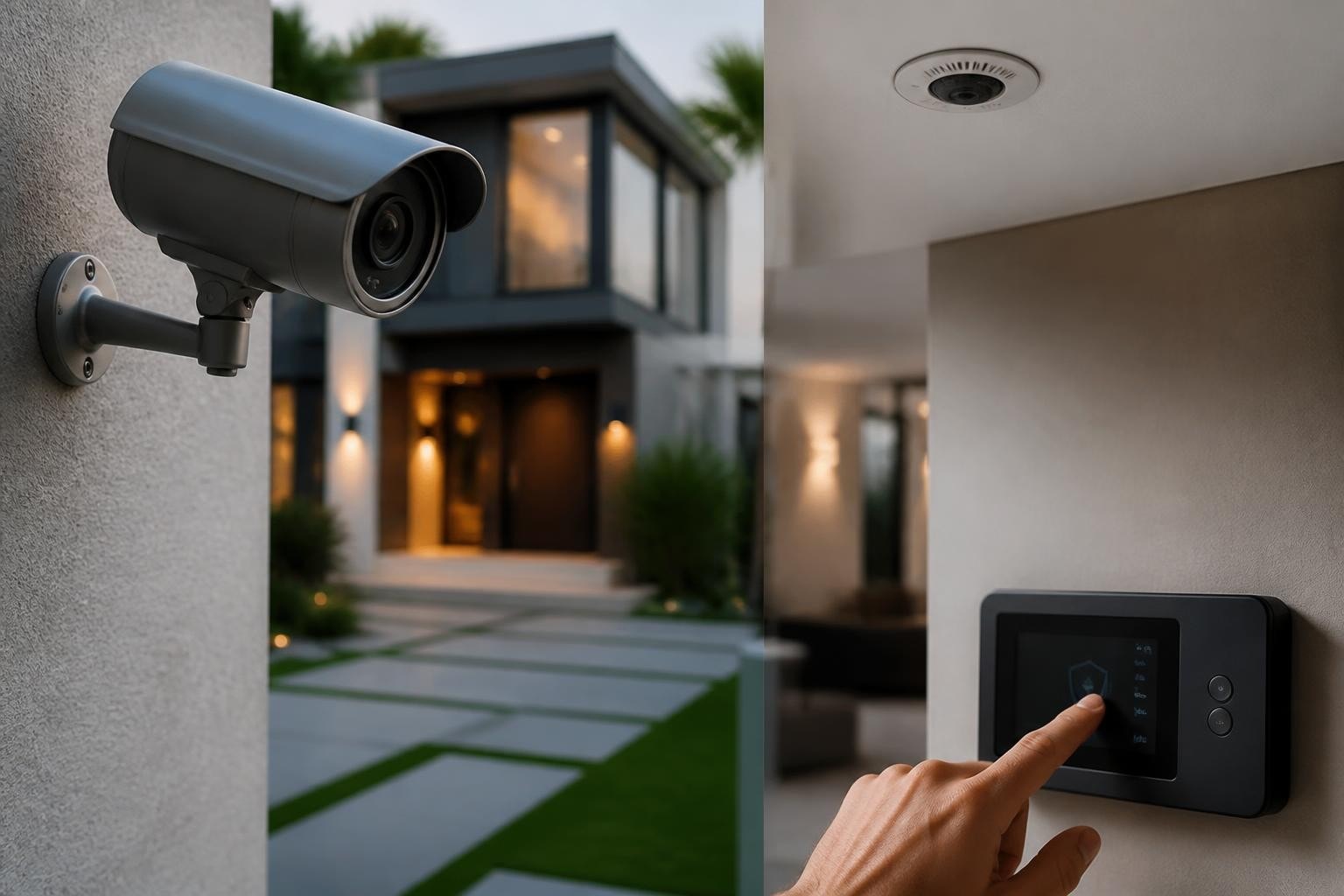
Covert security represents a sophisticated approach to protecting people, property, and assets without drawing attention to the protective measures in place. Unlike traditional visible security installations that announce their presence, covert security operates in the shadows, providing defense while maintaining discretion. This dual-purpose strategy has become increasingly important for homeowners and businesses who want robust protection without compromising aesthetics or signaling valuable assets to potential threats. In South Africa and globally, the landscape of covert security has evolved dramatically, blending cutting-edge technology with time-tested principles of concealment and strategic defense.
Covert security encompasses any protective measure designed to remain undetected or disguised while actively safeguarding against threats. The philosophy differs fundamentally from overt security systems like high walls, razor wire, or prominent cameras that rely on visible deterrence. Instead, covert approaches assume that the best defense sometimes lies in hiding your defenses entirely.
Key principles that define covert security include:
The effectiveness of covert security stems from the element of surprise and the psychological advantage gained when threats cannot assess defensive capabilities. In residential contexts, this might mean hidden cameras, disguised reinforcements, or sensors that appear to be standard fixtures. Commercial applications extend to everything from covert employee monitoring to sophisticated counter-surveillance measures.
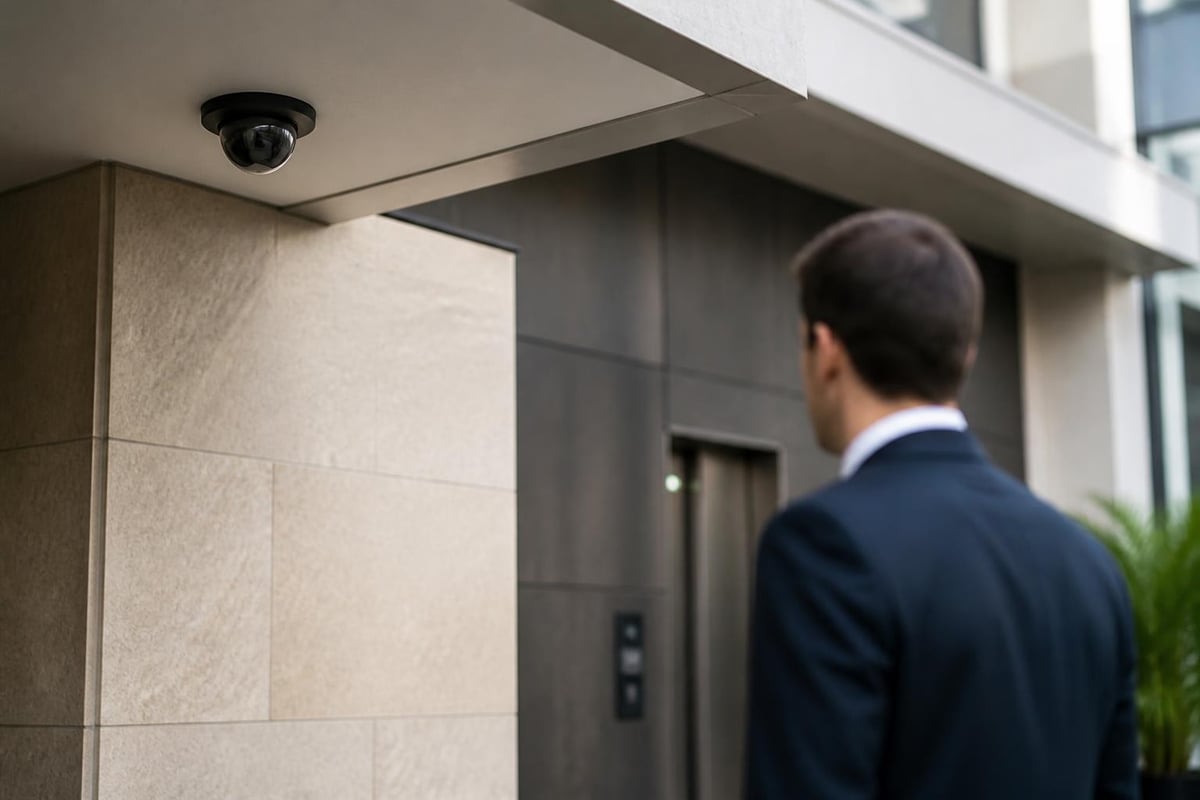
Before implementing any covert security measures, property owners and businesses must navigate complex legal and ethical considerations. In many jurisdictions, covert surveillance is tightly regulated, particularly when it involves monitoring people. The UK government’s code of practice on covert surveillance provides comprehensive guidance on when and how such measures may be lawfully deployed.
Key legal considerations include:
Recent research on workplace surveillance and privacy harms highlights the tensions between security objectives and individual rights. South African property owners must balance their legitimate security interests against the constitutional right to privacy, ensuring that covert measures remain proportionate to actual threats.
The ethical dimension extends beyond mere legal compliance. Transparent communication about the presence (though not necessarily the exact nature) of security measures builds trust while maintaining some deterrent effect. Many security professionals recommend posting general notices about surveillance without revealing specific camera locations or technical capabilities.
The rapid advancement of technology has transformed what's possible in the realm of covert security. Today's solutions bear little resemblance to the bulky, obvious systems of previous decades.
Modern covert cameras have shrunk to extraordinary proportions while improving image quality. Pin-hole cameras can be embedded in smoke detectors, electrical outlets, picture frames, or even decorative objects. High-definition video capture now fits into spaces smaller than a coin, powered by wireless technology that eliminates tell-tale cables.
| Technology Type | Size Range | Typical Applications | Detection Difficulty |
|---|---|---|---|
| Pin-hole cameras | 1-5mm lens | Wall fixtures, furniture | Very High |
| Wireless HD cameras | 2-4cm | Everyday objects | High |
| Network-enabled sensors | 1-3cm | Motion, glass-break detection | High |
| Audio recording devices | 5-10mm | Room monitoring | Extremely High |
These systems integrate with smartphone apps and cloud storage, allowing real-time monitoring from anywhere while maintaining complete concealment from those being observed.
Perhaps the most relevant application of covert security for property protection involves reinforcing structures without visible modifications. Security bars, gates, and protective screens have evolved far beyond the prison-like aesthetic of earlier generations.
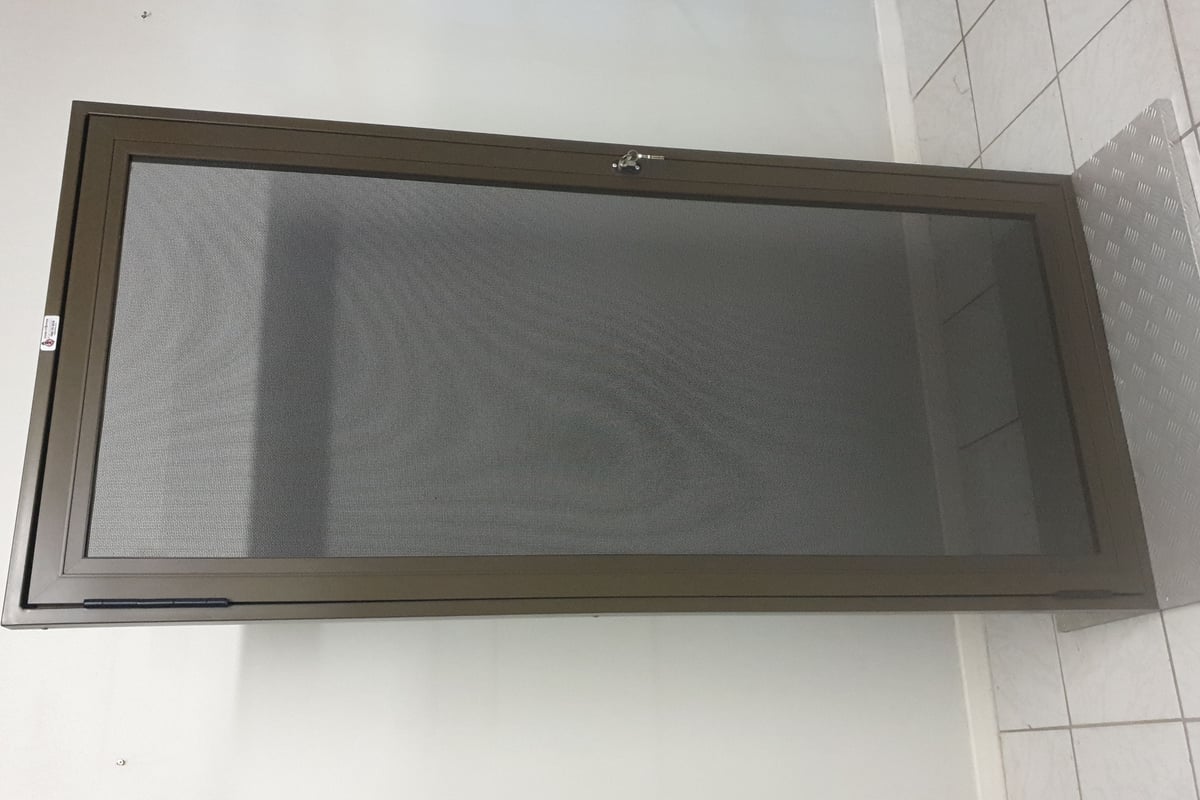
Modern solutions disguise their protective function through elegant design. Clear security screens, for instance, provide formidable barriers against intrusion while remaining virtually invisible and preserving views. These installations represent the perfect marriage of covert security principles with practical home defense.
South African homeowners increasingly choose solutions that don't advertise their security measures to passing criminals. A property that appears to have standard windows actually features reinforced frames and impact-resistant materials. Standard-looking doors conceal multi-point locking systems and reinforced cores.
Homeowners face unique challenges when implementing covert security strategies. The goal is creating a safe environment without transforming a residence into an obvious fortress that suggests high-value targets inside.
Effective residential covert security layers include:
The psychological aspect cannot be overstated. When criminals cannot assess the full scope of security measures, they face uncertainty. A home might appear lightly protected while actually featuring comprehensive covert systems. This uncertainty itself serves as a powerful deterrent to those who conduct surveillance before targeting properties.
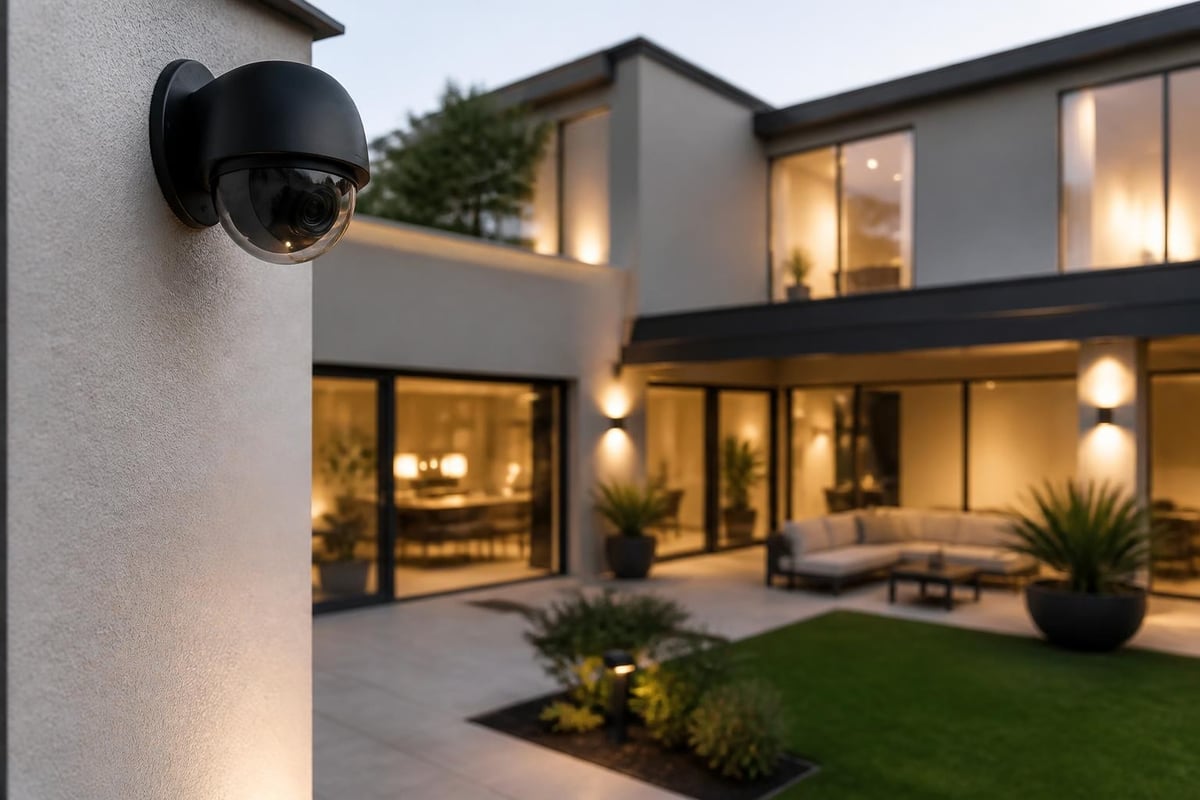
Paradoxically, the most effective residential security often combines visible and covert elements strategically. Visible deterrents like security company signage or obvious external lighting announce that the property has protection. Meanwhile, covert systems provide the actual functional security layer.
This hybrid approach capitalizes on both psychological deterrence and operational effectiveness. The visible elements discourage opportunistic criminals seeking easy targets. Covert systems catch more determined intruders who believe they've assessed and can defeat the obvious security.
For properties in high-risk areas, this becomes particularly important. Clear Shield Security Screens offer an excellent example of this balance, providing robust protection with minimal visual impact. Homeowners can enjoy unobstructed views and natural ventilation while knowing their windows feature stainless-steel mesh strong enough to resist forced entry attempts, combining the covert security principle of discretion with proven protective capabilities.
Businesses face distinct covert security challenges involving intellectual property protection, employee monitoring, competitive intelligence, and physical asset protection. The stakes often run higher than residential applications, with potential losses extending into millions.
Many organizations now recognize that they themselves are targets of covert surveillance by competitors, criminals, or foreign actors. Technical Surveillance Countermeasures (TSCM) have become standard practice for sensitive facilities. The U.S. Department of Energy’s equipment inspection worksheet provides insight into how government facilities approach systematic detection of covert devices.
Professional TSCM sweeps search for:
The UK National Cyber Security Centre’s guidance on defending against covert networks of compromised devices highlights how state-level actors establish persistent surveillance through supply-chain infiltration. Commercial entities face similar risks on smaller scales.
Covert security systems increasingly focus on detecting threats from within organizations. Disgruntled employees, corporate spies, or compromised insiders pose significant risks. Monitoring systems track unusual access patterns, data transfers, and behavioral anomalies without obvious surveillance presence.
| Insider Threat Vector | Covert Monitoring Approach | Detection Indicators |
|---|---|---|
| Data exfiltration | Network traffic analysis | Unusual upload volumes |
| Physical theft | Hidden cameras in secure areas | After-hours access patterns |
| Sabotage | Behavioral analytics | Anomalous system interactions |
| Espionage | Communication monitoring | Unauthorized contact patterns |
These systems raise significant privacy concerns, making the ethical framework discussed earlier absolutely essential. Organizations must balance legitimate security interests against employee rights and workplace dignity.
The threat landscape continues evolving, driving innovation in covert security technologies and strategies. Understanding contemporary risks helps property owners and businesses make informed protection decisions.
The proliferation of Internet-connected devices creates new vectors for covert surveillance and attack. Security cameras, smart speakers, and home automation systems can be compromised and turned against their owners. Ironically, devices installed for security purposes themselves become security risks.
Defending against these threats requires covert security thinking. Network monitoring tools quietly analyze traffic patterns to detect unauthorized access. Firmware updates and security patches must be applied systematically. Physical network segmentation isolates critical systems from compromised devices.
The European Commission’s recommendations on export controls for cyber-surveillance items reflect growing awareness that covert surveillance technologies can be embedded during manufacturing. Security-conscious organizations now scrutinize supply chains, particularly for sensitive equipment.
This extends to physical security installations. Purchasing security products from reputable local suppliers with transparent manufacturing processes reduces the risk of pre-compromised equipment. For South African properties, working with established domestic security specialists provides assurance that installations haven't been tampered with before reaching the customer.
Operational security (OPSEC) principles complement physical covert security installations. OPSEC focuses on denying adversaries information about capabilities, intentions, and vulnerabilities. The CISA action guide for personal security provides practical recommendations applicable to both individuals and organizations.
Key OPSEC practices that enhance covert security:
When property owners discuss their security publicly or on social media, they potentially provide reconnaissance information to criminals. Covert security only works when it remains covert. A photograph shared online might inadvertently reveal camera blind spots or access patterns.

Moving from theory to implementation requires careful planning and professional expertise. Effective covert security doesn't happen accidentally but results from systematic assessment, design, and installation.
Begin by identifying specific threats relevant to your property or business. Residential properties in different neighborhoods face different risk profiles. Commercial facilities vary based on industry, location, and asset value.
A comprehensive threat assessment examines:
This assessment shapes security design. A property facing opportunistic burglary requires different covert measures than one potentially targeted by sophisticated criminals or competitors conducting industrial espionage.
Covert security systems demand expertise beyond typical security installations. Concealment requires understanding sight lines, lighting conditions, and human behavior. Disguising reinforced structures while maintaining their protective function needs engineering knowledge.
Working with experienced security professionals ensures:
Quality installation makes the difference between security that protects and security theater that only appears protective. Poorly installed covert cameras might miss critical areas. Reinforced structures improperly integrated could fail under stress.
Covert security requires ongoing attention. Technology evolves, threats change, and systems degrade. Regular maintenance ensures continued effectiveness while preserving concealment.
Maintenance considerations include:
Schedule maintenance during periods when external observers are unlikely to notice activity. Technician visits to "service routine equipment" attract less attention than obvious security updates.
Modern covert security increasingly integrates with broader automation and control systems. This integration enhances functionality while maintaining discretion.
Smart home platforms can coordinate covert security responses automatically. Motion detected by hidden sensors triggers recording on disguised cameras, adjusts lighting to create an occupied appearance, and sends silent alerts to property owners. All of this occurs without obvious security system activation.
For commercial properties, building management systems incorporate covert security data into access control, environmental monitoring, and operational analytics. A hidden camera detecting unauthorized access after hours can automatically lock additional doors, activate recording across all systems, and alert security personnel without audible alarms that might warn intruders.
The key advantage lies in sophisticated responses that don't telegraph security measures to adversaries. Traditional alarm systems announce detection, giving intruders information about sensor locations and potentially time to flee. Covert systems gather evidence and prepare responses silently.
Looking ahead, covert security will leverage artificial intelligence, advanced materials, and ubiquitous connectivity to become even more capable and discreet.
Emerging technologies shaping the future include:
Artificial intelligence particularly transforms covert security capabilities. Rather than generating alerts for every motion detection, AI distinguishes between normal activity and genuine threats. It recognizes faces, identifies unusual patterns, and even detects behavioral indicators of hostile intent. All of this analysis occurs automatically, preserving the covert nature of monitoring while dramatically improving effectiveness.
Advanced materials research promises security barriers that combine extreme strength with complete transparency or integration into standard building materials. Windows might look and feel identical to standard glass while resisting impacts that would shatter conventional panes. Door frames could appear to be standard wood or metal while incorporating structural elements stronger than traditional security gates.
Covert security represents the sophisticated evolution of property and asset protection, balancing robust defense with discretion, aesthetics, and strategic advantage. Whether protecting residential homes from opportunistic criminals or safeguarding commercial facilities against sophisticated threats, the principles of concealment and surprise enhance security effectiveness dramatically. Limax Security Specialists brings decades of expertise to designing and installing security solutions that protect what matters most without compromising the appearance or character of your property. Contact us today to discuss how our comprehensive range of security gates, screens, and protective installations can provide the peace of mind you deserve with the aesthetic appeal you demand.


