
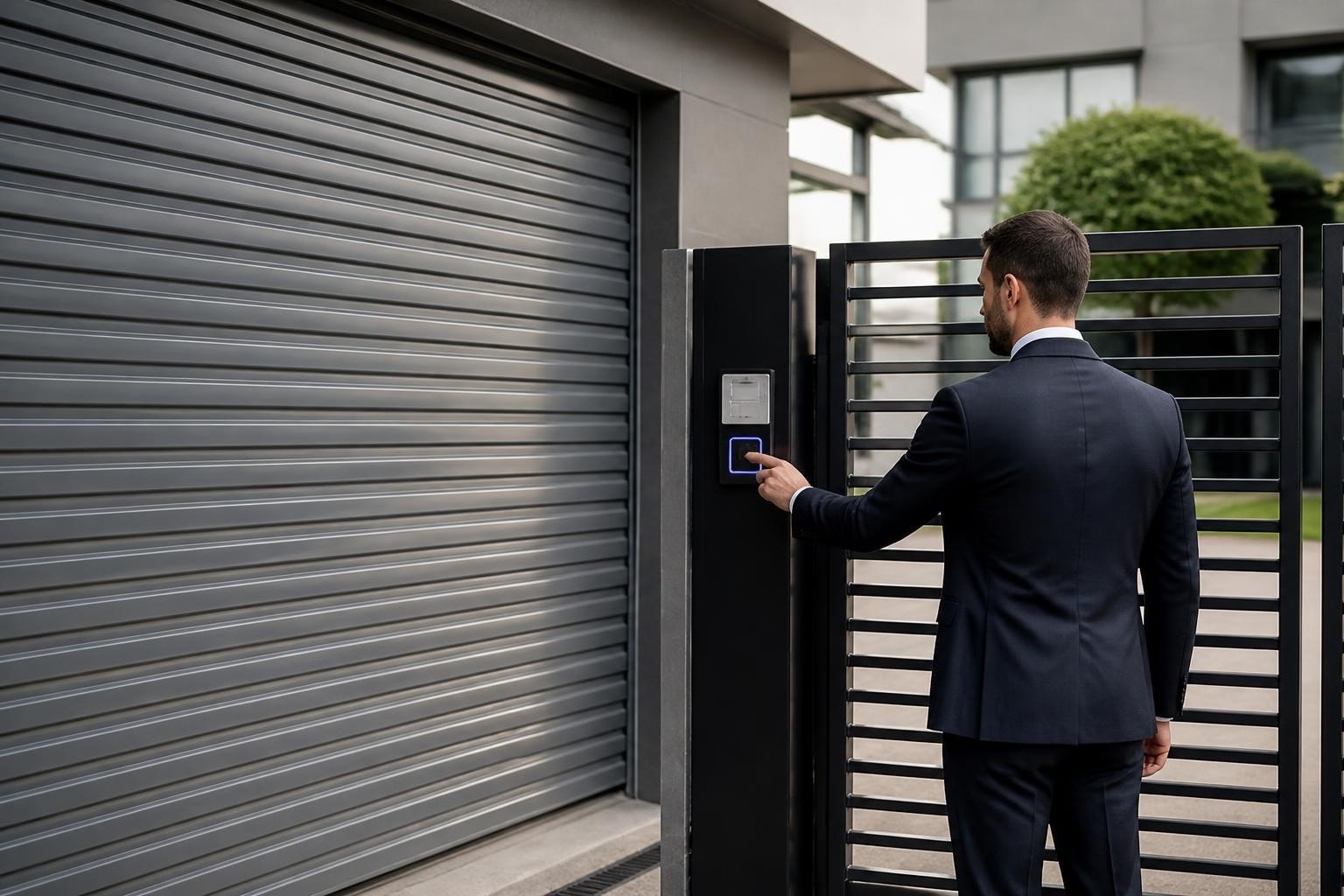
The roller gate has evolved from a simple mechanical barrier into a sophisticated security solution that balances protection, aesthetics, and convenience. Whether you're securing a residential driveway, commercial warehouse, or industrial facility, understanding the different types, operational mechanisms, and installation requirements helps you make informed decisions about property protection. This comprehensive guide explores everything property owners and security professionals need to know about roller gate systems in 2026.
A roller gate operates through a series of interlocking slats or panels that roll vertically around a horizontal barrel or drum, creating a secure barrier when closed and compactly storing above the opening when retracted. This fundamental design principle makes the roller gate particularly valuable for properties where space efficiency matters alongside security performance.
Modern roller gate systems incorporate advanced materials and automation technology that earlier generations could never achieve. Aluminum alloy construction has largely replaced traditional steel in residential applications, offering corrosion resistance and reduced operational weight. Commercial and industrial installations still frequently specify reinforced steel when maximum impact resistance is required.
The versatility of roller gate design supports multiple security scenarios:
Each application demands specific design considerations, from wind load resistance in coastal areas to fire rating requirements in commercial buildings.
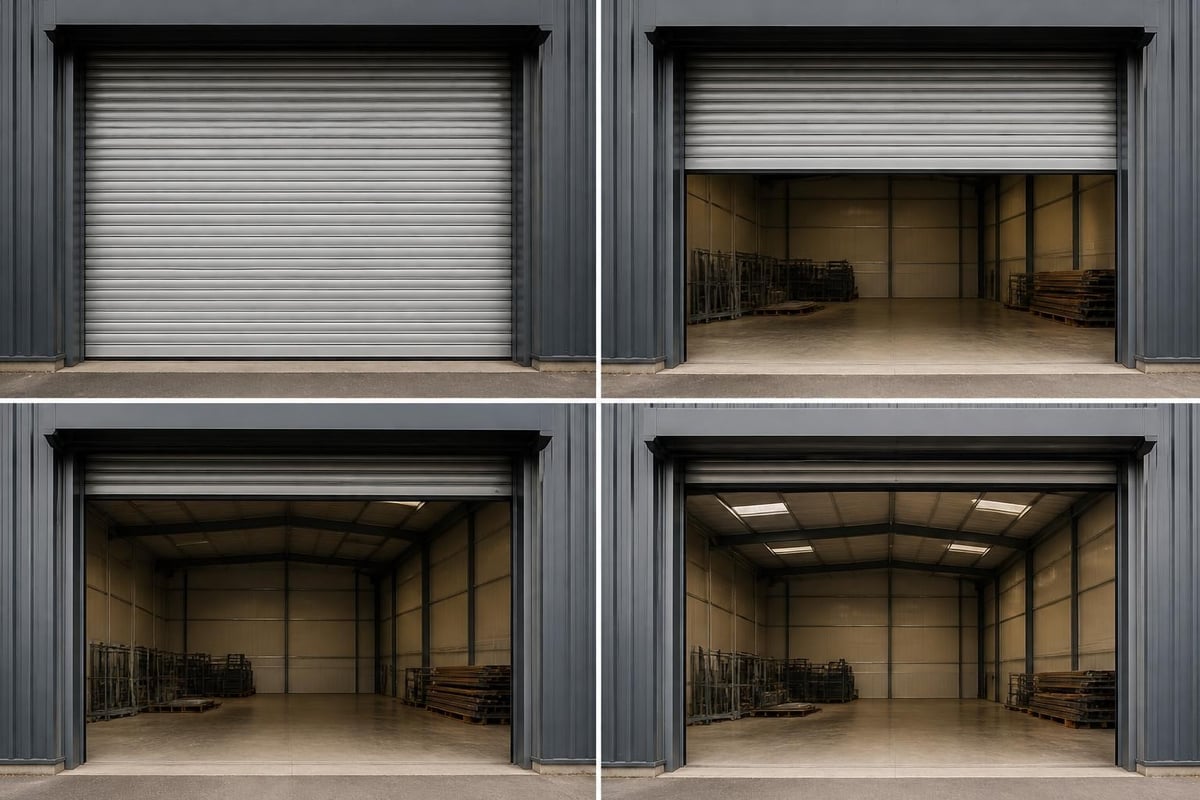
Security professionals categorize roller gate installations based on operational mechanism, construction material, and intended security level. Understanding these distinctions helps match the right system to specific protection requirements.
Manual roller gates rely on physical effort to raise and lower the barrier, using counterbalance springs or gear reduction mechanisms to make operation manageable. These systems offer reliability without electrical dependency but require user presence and physical capability. Small residential installations and backup security positions commonly use manual configurations.
Automated roller gates incorporate electric motors, remote controls, and increasingly sophisticated access control integration. Modern systems support smartphone operation, scheduled opening/closing, and integration with comprehensive security management platforms. The convenience factor drives adoption in both residential and commercial settings.
| Feature | Manual System | Automated System |
|---|---|---|
| Power requirement | None | Electrical supply needed |
| Operating speed | 30-60 seconds | 10-30 seconds |
| Access control | Physical key/lock | Remote, keypad, biometric |
| Maintenance frequency | Annual lubrication | Quarterly inspection recommended |
| Initial cost | Lower | Higher |
| Long-term convenience | Moderate | High |
The roller gate you select should match threat levels specific to your property and location. Aluminum profiles ranging from 0.8mm to 1.2mm thickness suit most residential applications, providing adequate security against opportunistic intrusion while maintaining manageable weight for automated operation.
Galvanized steel construction in 1.5mm to 3mm gauges addresses higher security requirements. Commercial properties storing valuable inventory or located in high-crime areas benefit from the enhanced impact resistance these heavier systems provide.
Some manufacturers now offer polycarbonate insert options that combine aluminum framework with transparent panels, allowing natural light transmission while maintaining security. This hybrid approach particularly appeals to retail locations wanting to display merchandise while protecting against smash-and-grab incidents.
Successful roller gate installation begins long before the first component arrives on site. Professional assessment of opening dimensions, structural support capacity, and operational clearances determines whether your property can accommodate the system you're considering.
Headroom availability ranks among the most common installation challenges. The rolled barrel requires clearance above the opening, typically ranging from 300mm for compact residential units to 600mm or more for heavy commercial systems. Properties with limited overhead space may require custom engineering or alternative security solutions.
Side room requirements ensure proper track installation and operational clearance. Standard specifications call for 75mm to 150mm on each side of the opening, though this varies based on system size and manufacturer specifications. Dunalastair Dam floodgate replacement case studies demonstrate how even large-scale roller gate installations require precise dimensional planning to avoid costly retrofits.
Foundation and mounting surface integrity directly impacts long-term performance. Roller gate systems exert significant vertical and horizontal forces during operation, particularly larger commercial installations. Concrete or masonry mounting surfaces provide ideal attachment, while lightweight construction may require reinforcement before installation proceeds.
Automated roller gate installations demand proper electrical infrastructure. Single-phase 220V supply typically powers residential systems, while three-phase commercial installations may require dedicated circuits and appropriate safety disconnects.
Modern installations increasingly incorporate:
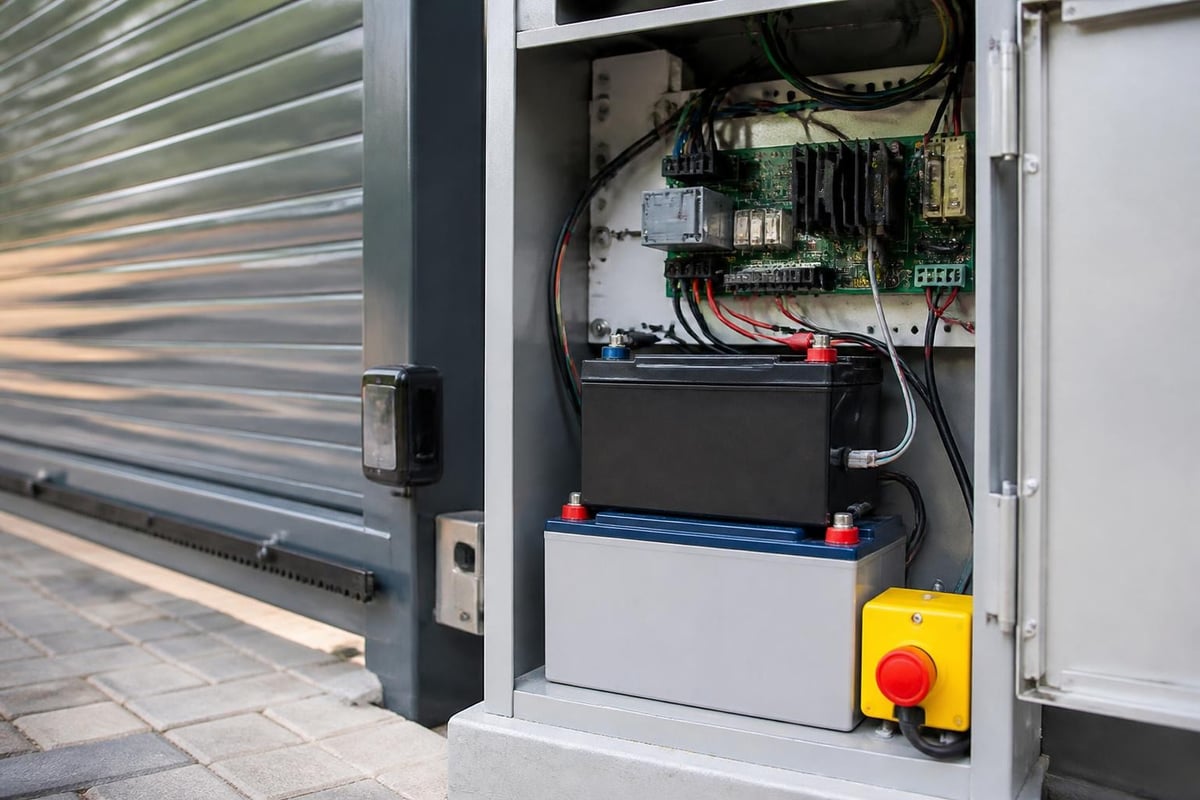
The roller gate protecting your property requires consistent maintenance to deliver reliable performance year after year. Understanding normal operational parameters helps identify developing issues before they compromise security or cause system failure.
Well-maintained roller gate systems should operate smoothly and quietly throughout their service life. Excessive noise during operation typically indicates worn rollers, inadequate lubrication, or track misalignment requiring attention. Monthly visual inspections catch most developing problems before they escalate.
Operating speed consistency matters for both convenience and safety. Systems that slow noticeably or exhibit jerky movement may have motor controller issues, obstruction in the tracks, or spring tension imbalance. Professional technicians can diagnose and correct these conditions before complete failure occurs.
Industry standards suggest properly specified and maintained roller gate installations should deliver 15 to 25 years of reliable service. Coastal environments or areas with extreme temperature variations may reduce this expectancy without enhanced maintenance protocols.
Regular maintenance extends system life and prevents inconvenient failures. Property owners should implement these protocols:
Many roller gate failures stem from deferred maintenance rather than inherent design limitations. Establishing consistent service schedules prevents most operational issues.
The roller gate serves as one component within comprehensive property security strategies. Integration with broader systems multiplies protection effectiveness while streamlining authorized access management.
Security professionals recommend defense in depth strategies that combine multiple protection layers rather than relying on single barriers. A roller gate protecting your perimeter works most effectively when integrated with intrusion detection, surveillance systems, and interior security measures.
Perimeter protection establishes the first barrier against unauthorized access. The roller gate at property entrances forces potential intruders to more obvious breach methods, buying time for response while creating evidence of intrusion attempts.
For properties requiring enhanced security, combining perimeter roller gates with additional interior protection creates multiple barriers. Monkey proof gates offer another layer of protection for residential properties, particularly in areas where both human intruders and persistent wildlife pose security concerns. These specialized gates feature reinforced construction and design elements that prevent climbing or manipulation, making them ideal complements to primary perimeter barriers.
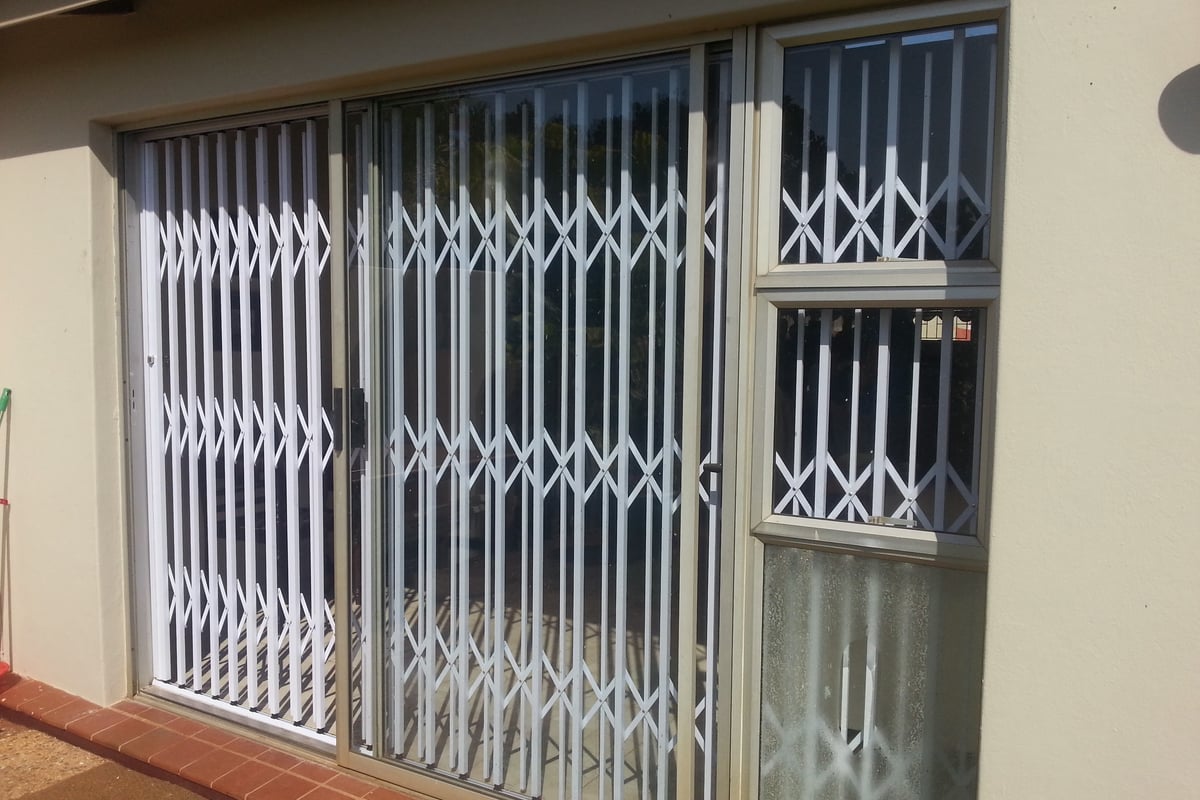
Contemporary roller gate installations support sophisticated access management beyond traditional lock-and-key approaches:
| Access Method | Security Level | Convenience | Audit Trail | Typical Cost |
|---|---|---|---|---|
| Physical key | Low | Low | None | R500-R1,500 |
| Remote control | Medium | High | Limited | R1,500-R3,500 |
| Keypad code | Medium | High | Basic | R2,500-R5,000 |
| Proximity card | High | High | Detailed | R5,000-R12,000 |
| Biometric | Very High | High | Comprehensive | R15,000-R35,000 |
The appropriate access control selection balances security requirements against budget constraints and user convenience expectations.
Roller gate installations must comply with applicable building codes, safety regulations, and industry standards. South African installations fall under various SANS (South African National Standards) specifications addressing structural safety, electrical installation, and operational requirements.
The National Building Regulations and Building Standards Act governs structural aspects of roller gate installations. Load-bearing capacity calculations ensure mounting surfaces adequately support system weight and operational forces. Professional installers verify compliance before commencing work.
Wind load resistance becomes critical in coastal areas or exposed locations. Engineering specifications must account for wind pressures the roller gate will encounter, particularly in the extended position. The USGS technical reference on gate types provides detailed information on calculating hydraulic and environmental forces affecting various gate configurations, principles applicable to security installations.
Automated roller gate systems incorporating electrical components must meet SANS 10142-1 electrical installation standards. Qualified electricians should handle all power supply connections, ensuring proper earthing, circuit protection, and safety disconnect provisions.
Crush point protection prevents injury during automated operation. Modern systems incorporate multiple safety mechanisms:
Property owners bear legal responsibility for ensuring roller gate installations meet safety requirements. Regular maintenance and periodic safety audits help fulfill this obligation while protecting system users.
Understanding the complete financial picture helps property owners make informed decisions about roller gate investments. Initial purchase price represents just one component of total ownership cost.
Equipment costs vary significantly based on size, material, automation level, and security rating. Residential installations typically range from R15,000 for basic manual systems to R75,000 or more for premium automated configurations with advanced access control. Commercial installations protecting larger openings or requiring enhanced security ratings may exceed R150,000.
Installation expenses add 20% to 40% to equipment costs depending on site complexity. Straightforward installations with adequate mounting surfaces and simple electrical requirements fall at the lower end. Custom fabrication, structural reinforcement, or challenging site access increases labor costs proportionally.
Ongoing operational costs include:
The roller gate provides tangible and intangible returns that justify investment costs. Loss prevention delivers the most direct financial benefit. Properties in high-crime areas may experience break-in attempts multiple times annually. A single prevented burglary often recovers equipment costs through avoided:
Property value enhancement represents another significant return factor. Security improvements increase marketability and selling prices, particularly in security-conscious markets. Real estate professionals report that comprehensive security installations including quality roller gates can add 2% to 5% to property values.
Insurance premium reductions provide ongoing returns. Many insurers offer 10% to 20% discounts on policies covering properties with approved security installations. These savings accumulate substantially over the system's service life.
South Africa's diverse climate zones present distinct challenges for roller gate installations. Understanding environmental impacts helps specify appropriate materials and maintenance protocols.
Properties within 10 kilometers of ocean coastlines face accelerated corrosion from salt-laden air. Standard galvanized steel roller gate components may show rust within 12 to 18 months without proper treatment and maintenance.
Marine-grade materials combat coastal corrosion effectively. Aluminum alloy construction with powder-coated finishes provides excellent resistance. Stainless steel hardware and fasteners prevent rust-induced failure of critical components. Regular washing to remove salt accumulation extends service life significantly.
Interior regions experiencing temperature extremes from below freezing to above 40°C stress roller gate components through thermal expansion and contraction. Spring tension requires periodic adjustment as temperature cycles affect metal properties. Motors and electronic components need adequate ventilation to prevent overheating during summer months.
UV degradation affects plastic and rubber components, particularly seals and weatherstripping. Quality installations specify UV-stabilized materials designed for exterior exposure. Annual inspection and replacement of deteriorated seals maintain weather protection and operational efficiency.
South African properties, particularly those near nature reserves or green belts, may face unique security challenges from persistent wildlife. Monkeys, in particular, demonstrate remarkable problem-solving abilities when seeking property access. Standard roller gate installations may prove vulnerable to manipulation by determined primates.
Specialized design modifications address these challenges through reinforced construction, elimination of climbing aids, and strategic placement that prevents leverage. Property owners in affected areas should discuss wildlife-specific adaptations during system specification.
Even well-maintained roller gate systems occasionally develop problems. Understanding common issues and solutions helps property owners address minor difficulties while recognizing when professional service is required.
Power supply interruption causes most complete failure scenarios. Before calling service technicians, verify that circuit breakers remain closed and that GFCI outlets haven't tripped. Many installations include visual indicators showing power status.
Remote control malfunction frustrates users but often requires simple battery replacement or reprogramming. Most systems include manual operation options ensuring access even when remote controls fail.
Grinding or squealing during operation typically indicates inadequate lubrication or debris accumulation in tracks. Monthly cleaning and appropriate lubricant application resolves most noise issues. Persistent grinding after maintenance suggests worn rollers or damaged track sections requiring professional attention.
Progressively slower operation may indicate motor controller degradation, spring tension loss, or mechanical binding. Professional diagnosis determines root causes and appropriate corrections.
Ice formation during winter months can prevent roller gate movement in affected regions. Never force frozen systems, as this damages motors and mechanical components. Allowing natural thaw or applying approved de-icing solutions near moving parts prevents damage.
High wind conditions may trigger safety sensors designed to prevent operation during dangerous weather. This protective function prevents damage but may frustrate users expecting normal operation during storms.
The roller gate represents a proven security solution that combines space efficiency, operational convenience, and reliable protection when properly specified, installed, and maintained. Whether you're securing a residential property, commercial facility, or industrial installation, understanding the technology, options, and best practices ensures you select systems that deliver lasting value. Limax Security Specialists brings decades of experience helping South African property owners design and install comprehensive security solutions tailored to their specific requirements, from basic perimeter protection to sophisticated integrated systems that provide complete peace of mind.


