
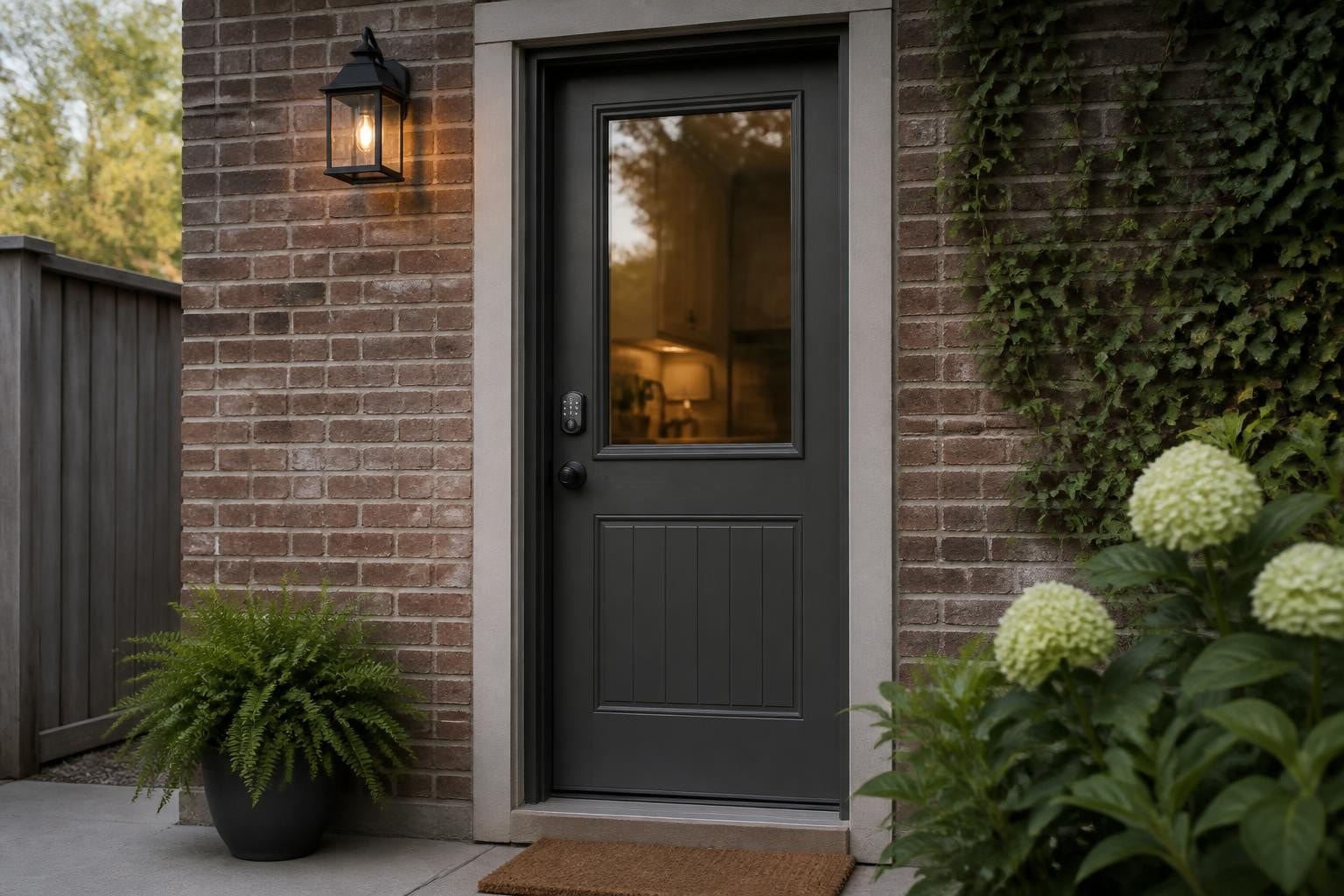
Your backyard door represents one of the most vulnerable entry points in any residential or commercial property. While front doors typically receive significant security attention, rear entrances often remain overlooked despite being a preferred target for intruders who value privacy and reduced visibility. Understanding how to fortify your security backyard door requires a multi-layered approach that combines physical barriers, environmental design, proper hardware selection, and ongoing maintenance protocols.
Rear entrances face unique security challenges compared to front-facing doors. Intruders specifically target these locations because backyards typically offer cover from neighbors and street traffic, providing additional time to defeat locks or force entry without detection.
The Bureau of Justice Statistics’ 2023 Criminal Victimization report confirms that unlawful entry through rear access points accounts for a significant percentage of residential burglaries. Privacy fencing, landscaping, and natural sight-line obstructions that homeowners install for comfort inadvertently create opportunities for criminal activity.
Most security backyard door failures occur at predictable locations:
Physical assessment of your current backyard door should identify these vulnerabilities before implementing upgrades. Each weak point represents a potential failure mode that intruders can exploit within seconds.
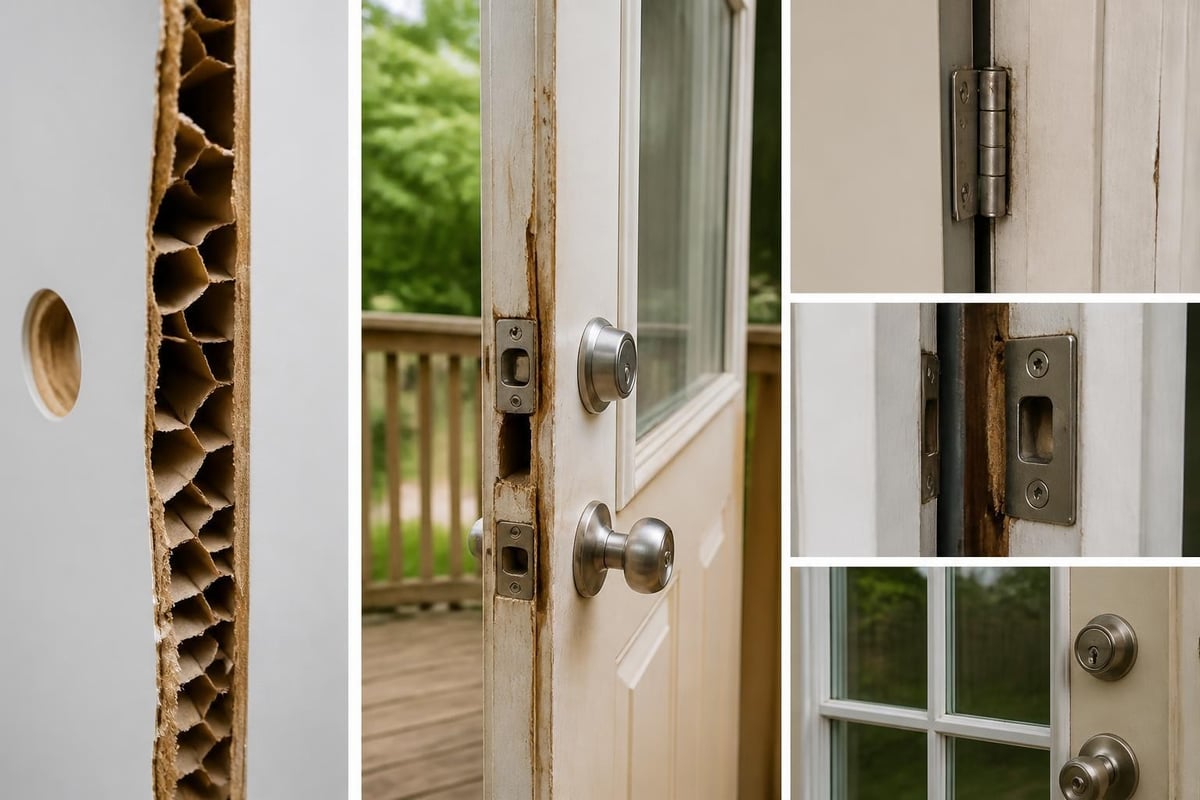
Upgrading your security backyard door begins with the door itself. Solid-core wood or steel doors provide substantially greater resistance to forced entry compared to hollow alternatives. Steel doors manufactured with 20-gauge steel or thicker offer optimal strength while maintaining reasonable weight for standard residential frames.
Door thickness matters significantly. Standard residential doors measure 1-3/4 inches thick, but security-focused installations benefit from 2-inch or thicker construction that increases rigidity and resists splitting during kick attacks.
The strongest door becomes ineffective when mounted in a weak frame. Door jambs require reinforcement with metal or hardwood that extends the full height of the frame, secured with 3-inch screws penetrating into wall studs rather than just the jamb itself.
Strike plates deserve particular attention as they absorb the full force of kick attempts. Standard builder-grade strike plates with two short screws fail quickly under attack. Security-grade alternatives should include:
According to police-endorsed guidance on doors from Secured by Design, proper strike plate installation alone can increase door security by 400% compared to standard hardware.
Your security backyard door requires locks that meet or exceed industry standards for residential security applications. The American National Standards Institute (ANSI) and Builders Hardware Manufacturers Association (BHMA) established grading systems that classify lock security levels.
The BHMA standards documentation outlines three residential lock grades:
| Grade Level | Cycles Tested | Strike Resistance | Best Application |
|---|---|---|---|
| Grade 1 | 800,000+ | 10 strikes, 75 ft-lbs | High-security residential, commercial |
| Grade 2 | 400,000+ | 5 strikes, 75 ft-lbs | Standard residential exterior |
| Grade 3 | 200,000+ | 2 strikes, 75 ft-lbs | Interior doors, light duty |
Security backyard door installations should specify Grade 1 deadbolts as minimum standard. Grade 2 may suffice for lower-risk properties, but the marginal cost difference rarely justifies accepting reduced protection on vulnerable rear entries.
Double-cylinder deadbolts requiring keys on both interior and exterior sides provide maximum security for doors with glass panels or adjacent windows. This configuration prevents intruders from breaking glass and reaching through to unlock the door from inside.
However, double-cylinder locks create potential egress issues during emergencies. Building codes in many jurisdictions restrict their use, and fire safety considerations may require thumb-turn interior mechanisms for rapid exit during evacuation scenarios.
Single-cylinder deadbolts with thumb-turn interiors remain acceptable when glass is not present within 40 inches of the lock, or when laminated/security glass prevents hand access through broken panels.
Physical security hardware proves most effective when combined with environmental design strategies that reduce criminal opportunities. Crime Prevention Through Environmental Design (CPTED) principles outlined by the Whole Building Design Guide emphasize natural surveillance, access control, and territorial reinforcement.
Your security backyard door benefits significantly from improved sight lines that eliminate hiding spots adjacent to the entrance. Trimming vegetation, relocating storage items, and creating clear zones within 10 feet of the door increases risk for would-be intruders who prefer concealment during tampering attempts.
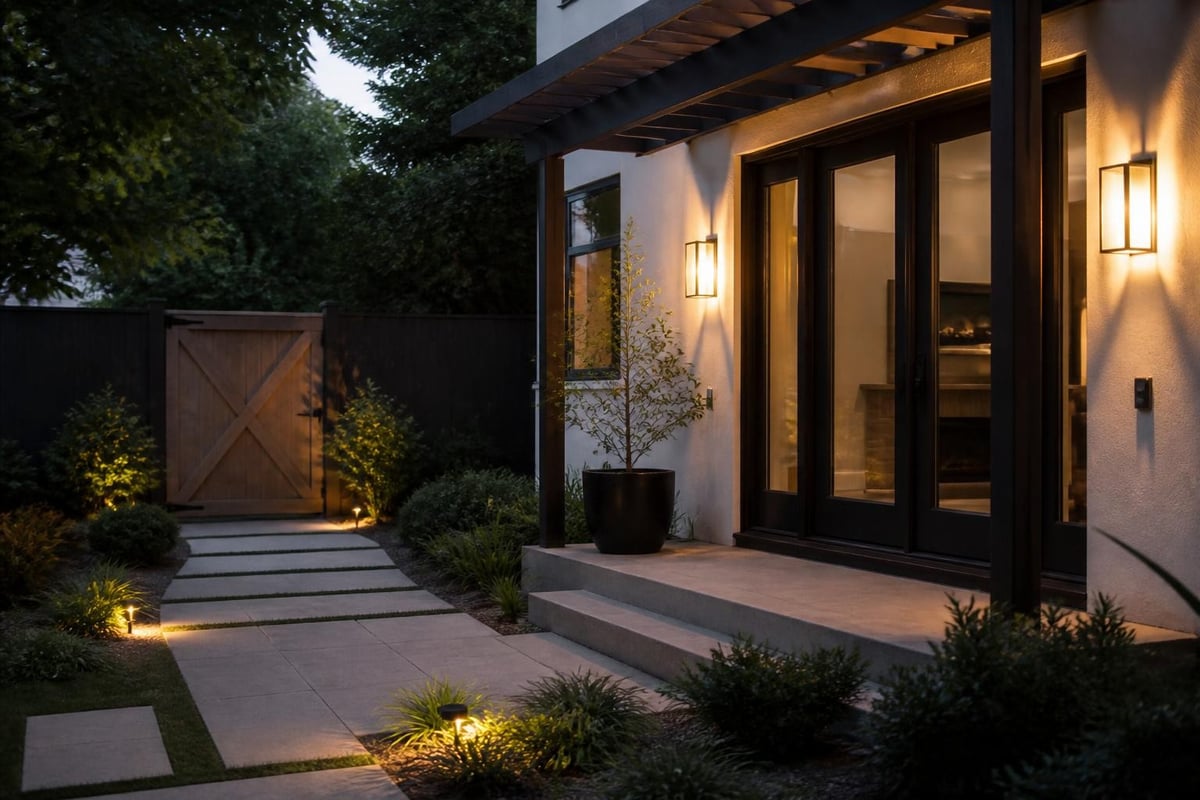
Professional security lighting transforms your security backyard door from a concealed target into an exposed, high-risk approach for intruders. The Illuminating Engineering Society’s Guide for Security Lighting recommends minimum illumination levels of 1.0 foot-candles (10 lux) at ground level within the approach zone to rear doors.
Motion-activated fixtures provide deterrent value while conserving energy and reducing light pollution. Position sensors to cover approach paths from multiple angles, preventing bypass through sensor dead zones. Dusk-to-dawn base lighting maintains minimum visibility throughout night hours, with motion activation escalating to higher intensity when movement is detected.
LED fixtures with 3000K-4000K color temperature deliver optimal color rendering for security cameras while maintaining natural appearance. Avoid harsh, glaring fixtures that create deep shadows or reduce visibility through contrast washout.
Beyond the door itself, additional physical barriers provide defense-in-depth that delays or prevents forced entry even when primary locks are defeated. Secondary barriers prove particularly valuable during extended absence periods or in high-crime areas where sophisticated attacks may occur.
Security gates installed inside or outside the backyard door create a visible deterrent while providing genuine structural resistance. Modern security gate designs combine strength with aesthetic appeal, avoiding the fortress appearance that many property owners wish to prevent.
Installing a high-quality security gate as a secondary barrier significantly enhances your security backyard door protection. These barriers force intruders to defeat multiple independent systems, multiplying both time requirements and detection risk with each layer.
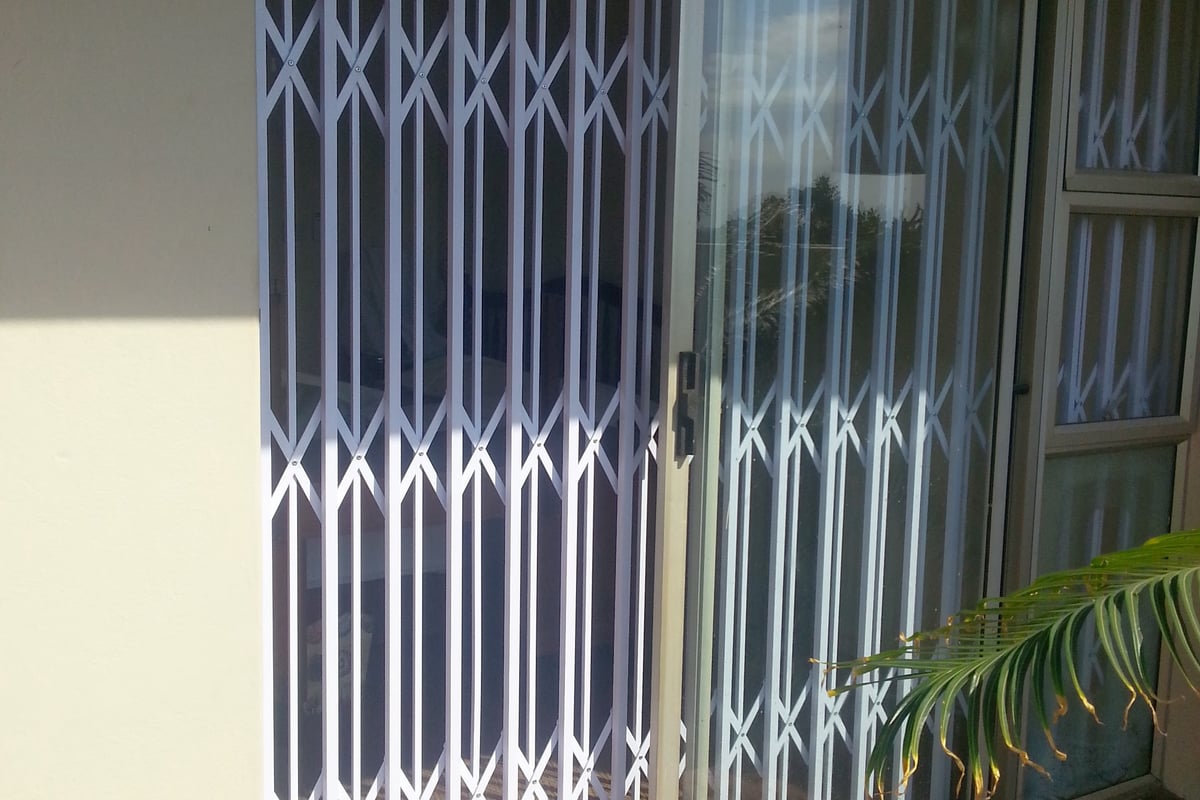
Effective security gates for backyard door protection should meet these minimum standards:
Premium installations incorporate tamper-resistant fasteners, concealed hinges, and reinforced mounting points that distribute force across masonry or structural elements rather than surface-mounted trim.
Modern security backyard door protection extends beyond mechanical hardware to include connected technologies that provide real-time monitoring, remote access control, and automated threat response.
Smart locks with Grade 1 mechanical deadbolts combine traditional security with connectivity features including smartphone control, temporary access codes for service providers, and integration with whole-home security systems. When evaluating smart lock options, Consumer Reports’ door lock testing and guidance emphasizes that electronic features should enhance rather than replace mechanical security.
Video surveillance covering your security backyard door serves multiple functions including deterrence, evidence collection, and remote monitoring during your absence. Camera positioning should capture both the door itself and approach paths from multiple angles.
Minimum camera specifications for security applications include:
Position cameras above reach height (minimum 9 feet) with vandal-resistant housings and protected cable routing to prevent tampering or disablement before recording begins.
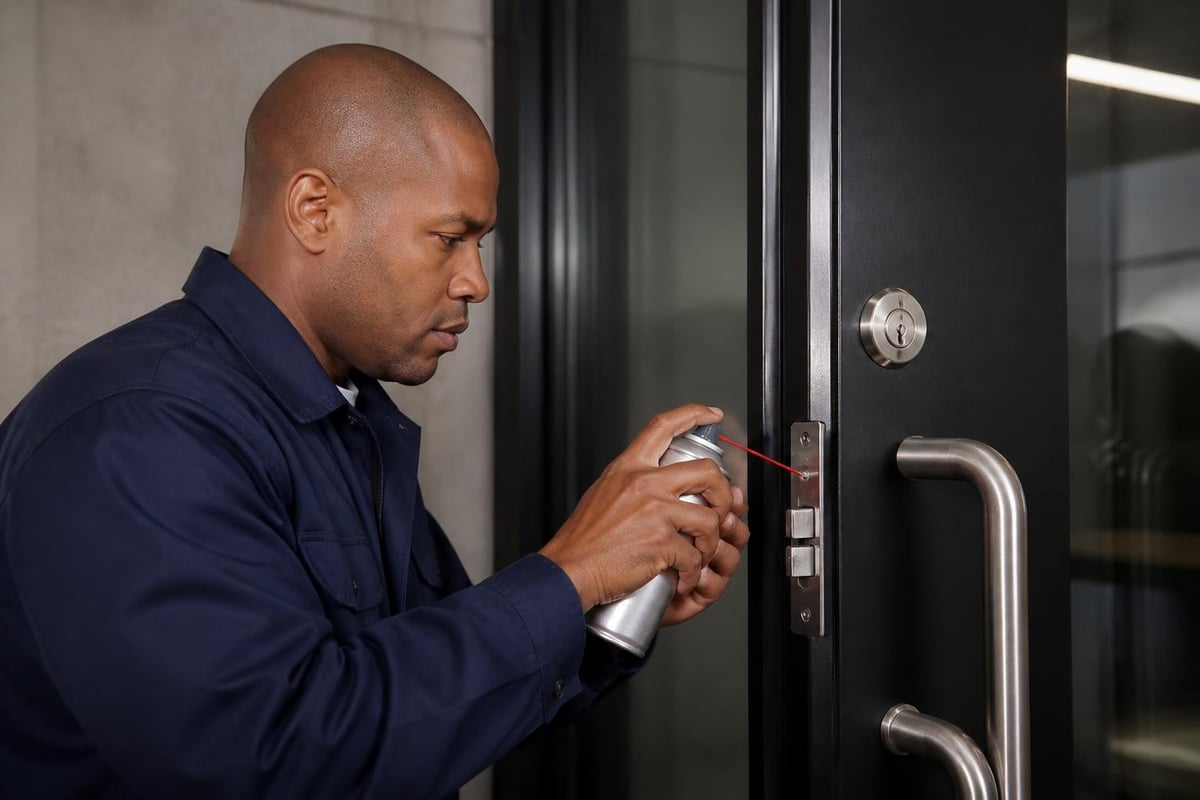
Security hardware effectiveness degrades over time without proper maintenance protocols. Your security backyard door requires quarterly inspection and annual servicing to maintain optimal performance.
Conduct these basic checks every three months:
Document inspection results and address minor issues before they develop into security vulnerabilities or functional failures requiring complete hardware replacement.
Annual professional assessment by qualified security specialists identifies vulnerabilities that property owners may overlook. Trained professionals evaluate your security backyard door within the context of overall property security, identifying weak points in perimeter fencing, lighting, surveillance coverage, and access control that create exploitable gaps.
The CISA Personal Security Considerations Action Guide provides federal guidance on physical security assessments including recommended frequencies, documentation practices, and upgrade prioritization based on risk factors.
Many backyard doors incorporate glass panels for natural lighting and visual connection to outdoor spaces. These design elements create security challenges requiring specialized approaches beyond standard door and lock hardening.
Standard window glass breaks easily and provides immediate access to interior locks, door handles, and sometimes direct entry if panel size permits. Upgrading to security glazing transforms this vulnerability into a genuine barrier.
Several glazing technologies provide enhanced protection:
Laminated glass bonds two or more glass layers with polyvinyl butyral (PVB) or similar interlayer that holds fragments together when broken. Intruders cannot easily create large openings even after shattering the glass, and the noise generated during extended attack attempts increases detection risk.
Polycarbonate panels offer 250 times the impact resistance of standard glass while maintaining optical clarity. Although not actually glass, polycarbonate provides bullet-resistant protection in appropriate thicknesses while weighing significantly less than equivalent laminated glass installations.
Tempered glass, while stronger than annealed glass, shatters completely into small cubes when broken and should not be considered security glazing for backyard door applications despite common misconceptions.
Minimum security specifications for backyard door glazing should meet ASTM F1915 standard for forced-entry testing or European standard EN 356 P4A classification requiring resistance to 30-50 manual strikes with a 4.11-pound hammer.
Effective security backyard door protection relies on defense-in-depth principles where multiple independent security layers work synergistically. Single-point protection creates single-point failure risk, while layered approaches force intruders to defeat numerous systems, each consuming time and increasing detection probability.
Your comprehensive security backyard door strategy should incorporate:
Each layer compensates for potential weaknesses in others while multiplying the overall difficulty, time requirement, and skill level necessary to achieve unauthorized entry.
South African climate conditions present unique challenges for security backyard door hardware and materials. Coastal regions experience salt-laden air causing accelerated corrosion, while inland areas face extreme temperature variations and UV exposure degrading polymers and coatings.
Hardware selection must account for environmental factors affecting long-term performance and security effectiveness. Stainless steel components, hot-dip galvanized mild steel, and marine-grade aluminum provide corrosion resistance essential for sustained protection in challenging conditions.
Powder coating thickness directly impacts corrosion resistance and appearance retention. Minimum specifications for exterior security hardware should require 80-micron powder coat thickness applied over properly prepared and primed surfaces. Premium installations may specify 100-120 micron thickness for extended protection in severe exposure locations.
Regular cleaning and occasional recoating extend hardware service life significantly. Annual washing with mild detergent removes corrosive deposits, while touch-up of scratched or damaged coating prevents rust initiation that compromises both appearance and structural integrity.
Securing your backyard door requires comprehensive attention to physical barriers, hardware standards, environmental design, and ongoing maintenance that work together to create genuine protection. Whether you're upgrading an existing property or specifying security for new construction, professional assessment and quality installation ensure your investment delivers lasting value and peace of mind. Limax Security Specialists brings decades of experience in high-end security installations throughout South Africa, combining superior products with expert installation that transforms vulnerable rear entrances into robust barriers against unauthorized access.


