
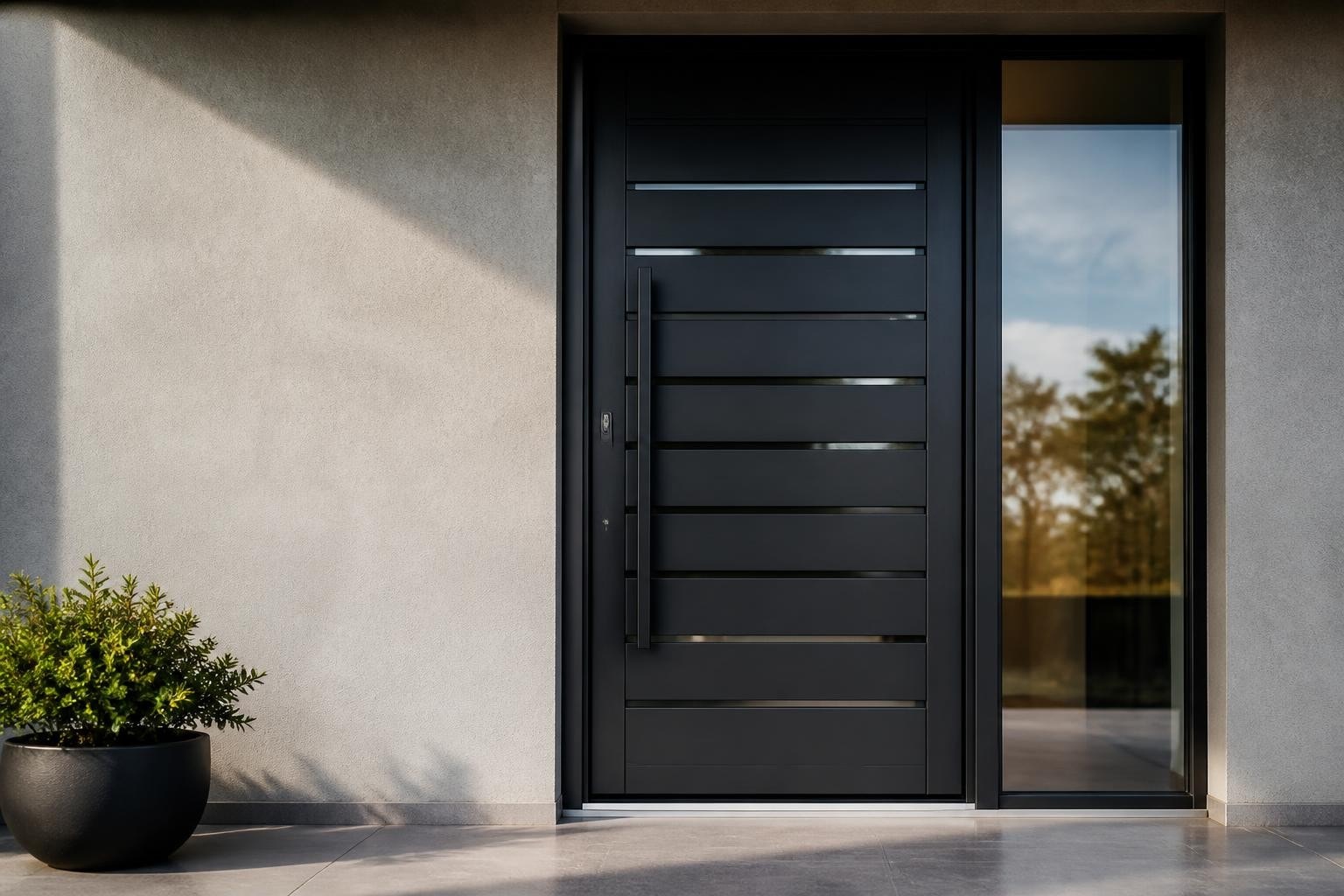
Modern property security demands solutions that deliver both protection and aesthetic appeal. Aluminium security doors have emerged as the preferred choice for homeowners and businesses seeking durable, lightweight, and visually appealing barrier protection. Unlike traditional steel alternatives, aluminium offers exceptional corrosion resistance, design flexibility, and long-term performance with minimal maintenance. This guide explores everything you need to know about selecting, installing, and maintaining aluminium security doors for your property in 2026.
The shift toward aluminium in security applications reflects advances in alloy engineering and manufacturing precision. Aluminium security doors now match or exceed the protective capabilities of heavier materials while offering distinct advantages that matter to property owners.
Contemporary aluminium security doors utilize high-grade 6000-series alloys, specifically engineered for structural applications. These aerospace-grade materials deliver tensile strength exceeding 290 MPa while maintaining a weight roughly one-third that of comparable steel assemblies.
The corrosion resistance proves particularly valuable in coastal regions and humid climates. Unlike ferrous metals that oxidize and weaken over time, aluminium forms a protective oxide layer that actually strengthens surface integrity. This natural passivation eliminates rust concerns and extends service life beyond 25 years with proper installation.
Key material advantages include:
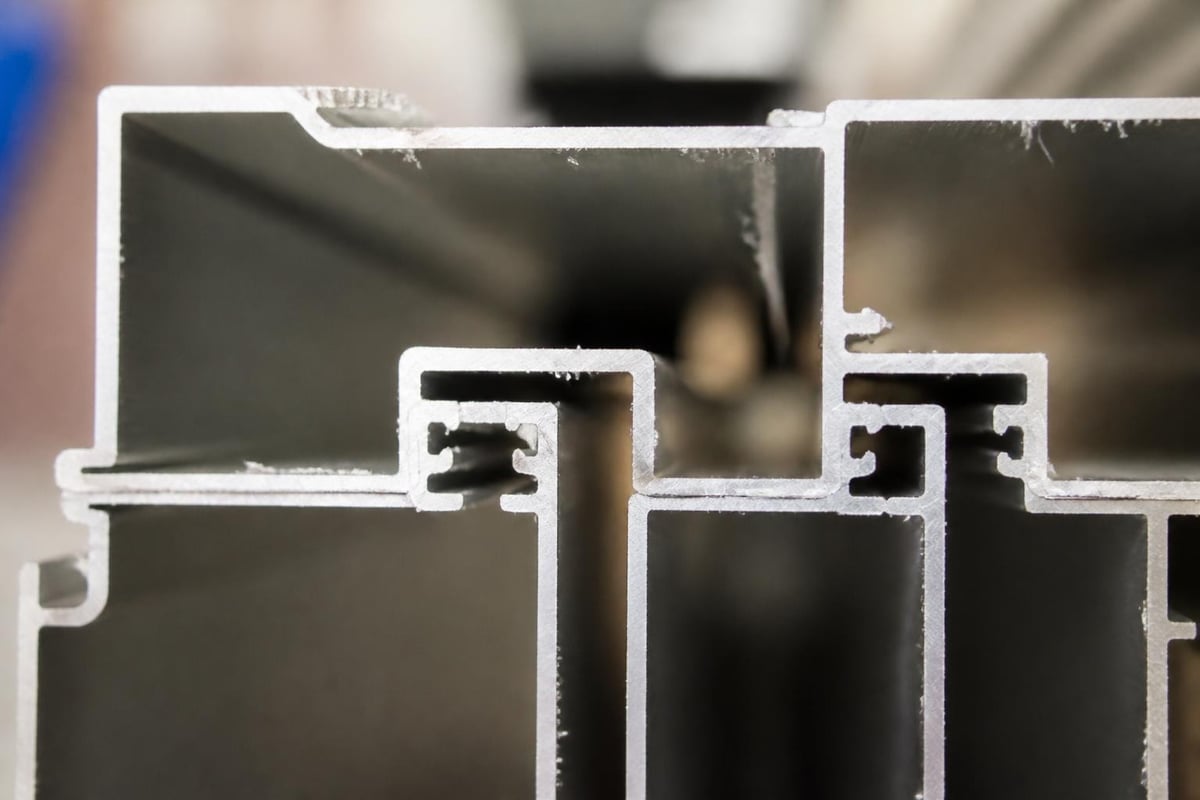
Understanding certification frameworks helps you evaluate competing products objectively. Multiple international standards govern security door performance, testing physical attack resistance, lock mechanisms, and structural integrity.
The National Security Screen Association outlines comprehensive standards differentiating barrier screens from certified security doors. AS 5039-2008 remains the benchmark Australian standard, mandating specific tests for knife shear, jemmy resistance, and impact protection.
European standards introduce additional nuance. EN 1627 through EN 1630 classify resistance classes from RC1 (basic) through RC6 (maximum commercial security). Most residential aluminium security doors target RC2 or RC3 certification, providing documented protection against opportunistic forced entry.
| Standard | Region | Focus Area | Typical Residential Grade |
|---|---|---|---|
| AS 5039 | Australia | Impact, shear, jemmy tests | Standard or High Security |
| EN 1627-1630 | Europe | Resistance classes RC1-RC6 | RC2 to RC3 |
| ASTM E1996 | USA | Impact/debris resistance | Class 1 or 2 |
| BS 8214 | UK | Fire/smoke performance | 30-60 minute rating |
South African applications should reference SANS 1564 for aluminium windows and doors, though many premium suppliers also pursue international certifications to demonstrate global-standard performance. When evaluating products, request certification documentation rather than relying solely on marketing claims.
Security performance depends equally on frame construction and locking mechanisms. Aluminium security doors accommodate multi-point locking systems that engage at three or more points along the frame perimeter, distributing force and preventing lever attacks.
Contemporary installations feature:
The UK’s Secure by Design programme provides detailed guidance on hardware selection and proper installation techniques that minimize vulnerabilities in door assemblies.
Modern aluminium security doors transcend the fortress aesthetic that characterized earlier generations. Powder coating technology delivers virtually unlimited color matching, while precision manufacturing enables complex profiles and decorative elements.
Contemporary design categories include:
Each configuration accommodates mesh infill, glazing, or solid panel construction depending on security requirements and visual preferences. Laser-cutting capabilities enable custom perforation patterns, geometric designs, and even company logos integrated into door panels without compromising structural performance.
The screening material substantially impacts both security and livability. Stainless steel mesh ranging from 0.8mm to 1.2mm wire diameter provides the primary barrier against intrusion attempts while maintaining visibility and airflow.
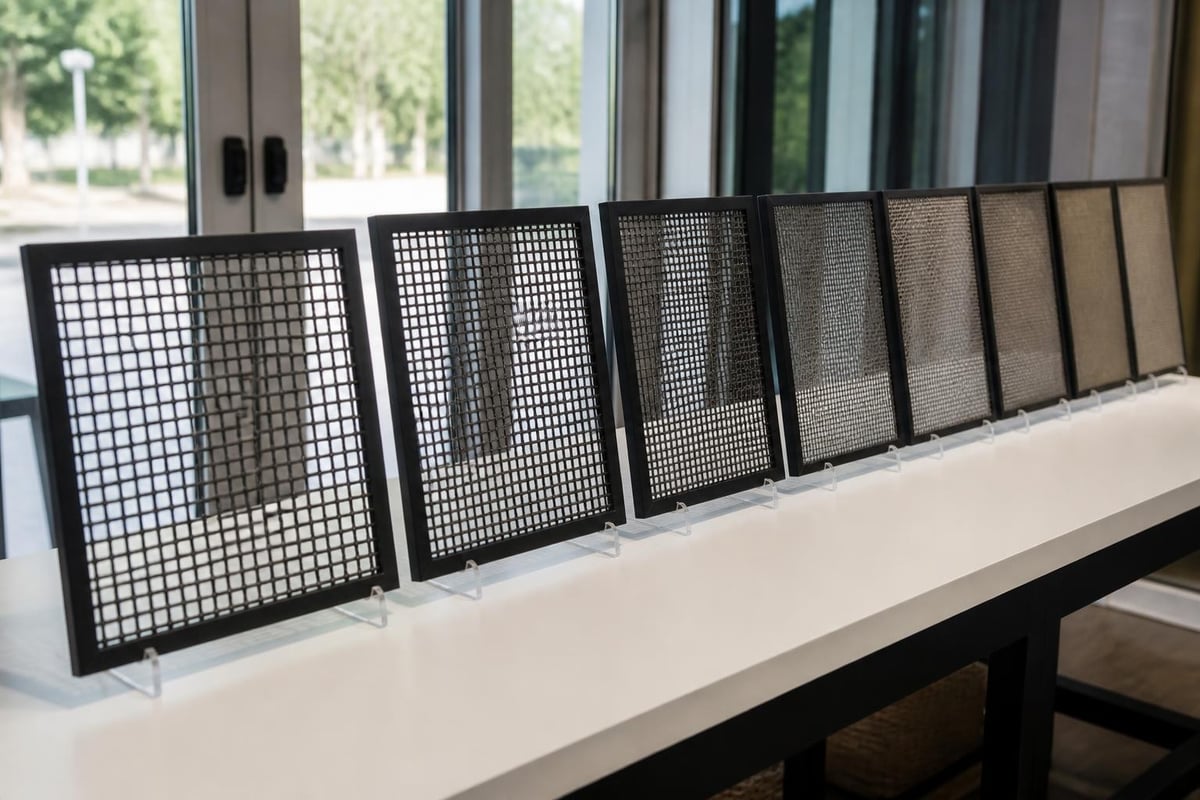
Aperture size determines what the mesh excludes. Standard security mesh uses 1.5mm openings-small enough to prevent cutting tool insertion yet large enough for reasonable airflow. Specialized applications may specify finer mesh for insect exclusion or coarser weaves where maximum ventilation matters more than comprehensive screening.
Many South African property owners appreciate that refined mesh installations help with monkey-proof applications, keeping determined wildlife outside while preserving views. For property owners facing persistent wildlife challenges, monkey-proof security gates offer specialized frame geometry and mesh specifications engineered specifically for this unique security requirement.
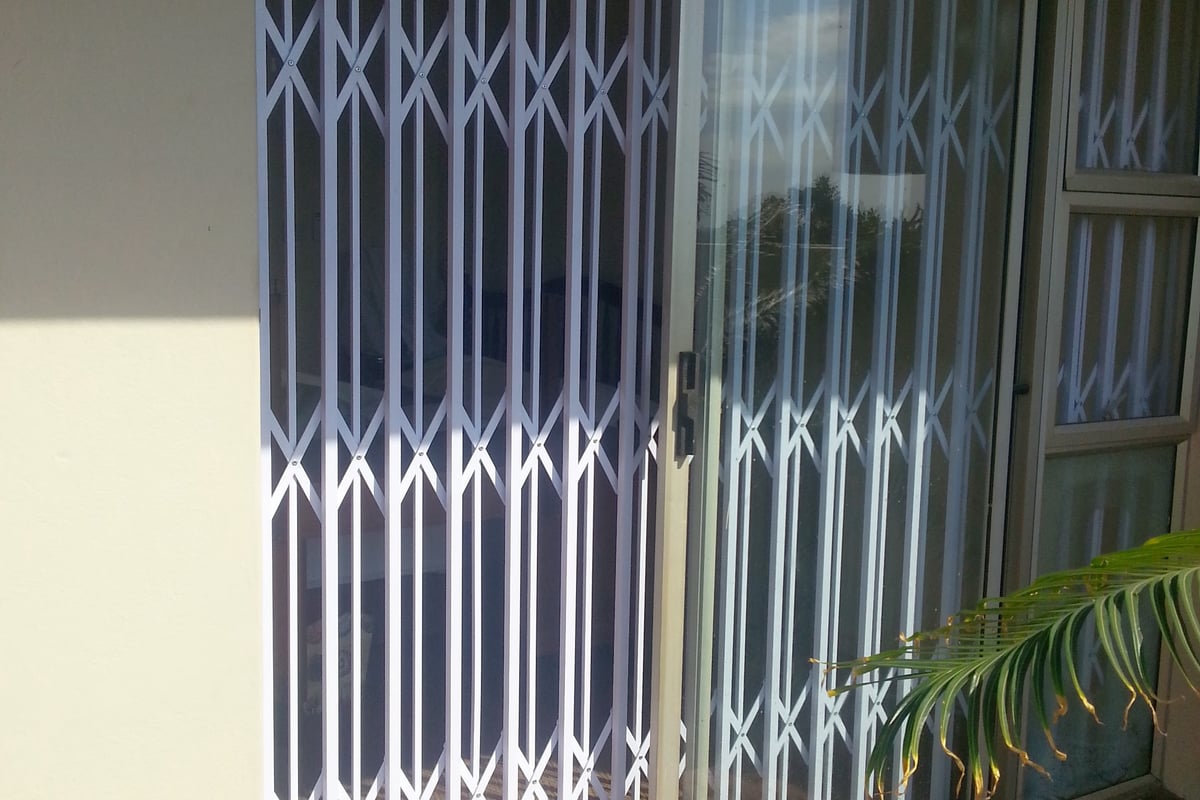
Proper installation determines whether an aluminium security door delivers its design performance or becomes a costly liability. Frame preparation, anchoring methods, and seal integration require professional execution to meet certification standards and warranty terms.
Successful installations begin with thorough site evaluation. Measure openings at multiple points, checking for square and level across the full frame perimeter. Many older properties exhibit settlement causing out-of-square conditions exceeding tolerances for pre-hung assemblies.
Critical pre-installation steps:
Brick veneer construction demands different anchoring strategies than solid masonry or concrete. Professional installers adapt fastener type, spacing, and depth based on substrate conditions, ensuring adequate pull-out resistance under forced-entry scenarios.
Most certification testing assumes specific installation methods. Deviating from manufacturer specifications may void warranties and compromise performance. Modern aluminium security doors typically require:
GSA facilities standards detail installation requirements for government buildings that inform best practices even in residential applications. These guidelines address everything from anchor embedment depth to seal durability expectations.
The installation process typically spans 4-6 hours for standard single-door configurations, extending to full-day installations for complex multi-panel assemblies. Rush installations that skip proper shimming, leveling, or seal application inevitably lead to operational issues and premature failure.
Aluminium security doors demand minimal maintenance compared to timber or steel alternatives, yet neglecting basic care accelerates wear and can void manufacturer warranties. Establishing simple quarterly maintenance routines preserves both performance and appearance.
| Component | Maintenance Task | Frequency | Time Required |
|---|---|---|---|
| Mesh screen | Brush cleaning, damage inspection | Quarterly | 10 minutes |
| Hinges | Lubrication, adjustment check | Quarterly | 5 minutes |
| Locks | Cylinder lubrication, key operation test | Quarterly | 5 minutes |
| Frame seals | Compression test, replacement if compressed | Annually | 15 minutes |
| Drainage weeps | Clear debris, verify flow | Bi-annually | 5 minutes |
Use aluminum-safe cleaners avoiding caustic chemicals that attack the oxide layer. Mild detergent solutions with soft brushes or cloths suffice for most cleaning needs. Power washing proves acceptable if pressure stays below 1500 PSI and nozzles maintain minimum 300mm distance from surfaces.
Even quality installations occasionally develop minor issues. Addressing problems promptly prevents minor annoyances from becoming security vulnerabilities.
Sticking or misalignment typically results from settling, thermal expansion, or loose anchors. Check hinge screws first-re-tightening often resolves the issue. Persistent binding may require shim adjustment or anchor repositioning, best handled by installation professionals.
Lock mechanism stiffness usually indicates inadequate lubrication or debris accumulation. Graphite powder works better than oil-based lubricants that attract dirt. Spray cylinder interiors quarterly and operate keys several times to distribute lubricant.
Mesh damage from impact or attempted tampering requires immediate attention. Small punctures under 25mm diameter sometimes accept field repair with marine-grade stainless wire, but larger compromises demand professional mesh replacement to maintain security integrity.
Fire safety introduces complex considerations for aluminium security doors, particularly in multi-family dwellings and commercial applications. While aluminium itself remains non-combustible, door assemblies must balance security with emergency egress requirements.
Most residential applications don't mandate fire-rated security doors, but apartments, condominiums, and commercial properties often face regulatory requirements. BS 8214 provides comprehensive guidance on fire door specification and in-use performance considerations.
Fire-rated aluminium security doors incorporate intumescent seals that expand under heat, sealing gaps and preventing smoke migration. Glazing must use fire-rated glass maintaining integrity for the assembly's rating period-typically 30, 60, or 90 minutes depending on application.
Critical fire safety elements include:
The NFPA maintains technical standards for fire door assemblies used throughout North America. While South African projects reference SANS 1253 and SANS 10177 for fire performance, international standards provide valuable technical context for specifying premium security door assemblies.
Emergency egress requirements balanced with security features in aluminium door assemblies showing panic hardware, fire-rated seals, and certification pathways
Local authority approval sometimes proves more challenging than product selection. Building control officers apply varying interpretations of security versus egress requirements, particularly for burglar-prone areas where property owners seek maximum protection.
Present door specifications highlighting:
Working with experienced security door suppliers familiar with local jurisdiction requirements streamlines approval processes and prevents costly re-work. Many premium manufacturers maintain relationships with building departments, providing technical support during plan review.
Coastal installations, high-altitude locations, and extreme climate zones demand enhanced environmental specifications. Aluminium security doors excel in challenging conditions when properly engineered for specific environmental exposures.
Marine environments accelerate corrosion on inferior materials and finishes. Grade 316 stainless steel mesh resists salt spray better than standard 304 alloys, though premium pricing reflects superior performance. Powder coating must achieve minimum 80-micron film thickness providing adequate barrier protection.
Fasteners deserve particular attention in coastal installations. All exposed hardware should utilize marine-grade stainless steel (minimum 316 specification) with nylon or PTFE washers preventing galvanic corrosion between dissimilar metals. Coastal warranties often require annual inspection and re-coating of fastener areas where finish damage exposes substrate aluminum.
Cyclone-prone regions and areas subject to severe weather require doors engineered for enhanced wind resistance. ASTM E1996 testing protocols simulate hurricane conditions, validating performance under windborne debris impact and sustained pressure differentials.
Wind-rated aluminium security doors incorporate:
Consumer testing organizations provide valuable insights into real-world performance across environmental conditions. Independent evaluations often reveal discrepancies between marketing claims and actual tested performance, helping buyers make informed decisions.
Budget allocation for aluminium security doors spans broad ranges depending on size, specification, and installation complexity. Understanding cost drivers helps optimize security investment without overspending on unnecessary features.
| Door Type | Budget Range (ZAR) | Features Included |
|---|---|---|
| Basic hinged | 4,500 – 8,000 | Standard mesh, basic lock, powder coat |
| Premium hinged | 8,000 – 15,000 | Heavy-duty mesh, multi-point lock, custom color |
| Sliding single | 12,000 – 20,000 | Track system, upgraded mesh, quality hardware |
| Bi-fold multi-panel | 25,000 – 45,000 | Multiple panels, commercial hardware, custom design |
Installation typically adds 15-25% to material costs for professional execution. DIY installation saves money but risks warranty voidance and compromised performance if technical specifications aren't followed precisely.
Premium pricing reflects tangible performance differences, not just brand markup. Doors at higher price points typically offer:
Evaluating total ownership costs rather than initial purchase price reveals the true value proposition. Quality aluminium security doors require minimal maintenance, avoid replacement costs associated with inferior products, and may reduce insurance premiums through enhanced property protection.
Ten-year ownership comparison:
Budget door ($5,000 initial) + likely replacement ($5,000 year 6) + higher insurance = $10,500 total
Premium door ($12,000 initial) + minimal maintenance + insurance discount = $11,400 total
The premium option delivers superior security throughout the period while requiring only marginally higher total investment. Factor in the disruption and inconvenience of mid-term replacement, and the value equation shifts further toward quality-first purchasing.
Contemporary aluminium security doors increasingly integrate with broader property security systems, enabling remote monitoring, automated control, and threat response coordination. Smart technology transforms passive barriers into active security system components.
Smart locks eliminate traditional keys, instead using:
Integration with home automation platforms enables sophisticated scenarios. Doors can automatically lock when alarm systems arm, trigger camera recording when opened unexpectedly, or send notifications when accessed during specified periods.
Battery-powered smart locks maintain operation during power failures, with most quality units delivering 8-12 months of operation per battery set. Low-battery warnings provide ample replacement notice, preventing lockouts.
Mounting considerations for cameras and motion sensors should factor into door specification. Many premium aluminium security doors include pre-drilled cable routing or integral mounting provisions for security devices.
Coordinated systems trigger responses based on door state and sensor inputs:
Cloud-based platforms store event logs, creating audit trails valuable for insurance claims and law enforcement investigations following security incidents.
Product quality matters, but installation expertise determines whether that quality translates into reliable security. Supplier selection proves as important as door specification when pursuing optimal outcomes.
Assess prospective suppliers across multiple dimensions:
Request detailed quotations itemizing materials, labor, and specific product specifications. Vague quotes suggesting "security door supply and install" without component details often conceal inferior products or installation shortcuts.
Professional installers should demonstrate:
Site visits before quoting indicate serious suppliers who won't over-promise on challenging installations. Providers quoting from photos alone frequently encounter unforeseen complications requiring change orders and additional costs.
The installer-manufacturer relationship matters significantly. Authorized installers receive technical support, warranty backing, and often priority access to replacement components if issues emerge. Independent installers may offer lower pricing but lack these support mechanisms when problems arise.
Aluminium security doors deliver unmatched combinations of protection, durability, and design flexibility when properly specified and professionally installed. The investment in quality products and expert installation pays long-term dividends through reliable performance, minimal maintenance, and enhanced property value. If you're ready to upgrade your property's security with premium aluminium solutions backed by proven expertise, Limax Security Specialists offers comprehensive consultation, specification guidance, and professional installation services across South Africa's residential and commercial markets.


