

Property owners seeking robust physical protection for their homes and businesses often consider metal security bars for windows as a proven deterrent against forced entry. These reinforced barriers create a formidable obstacle that discourages break-ins, yet modern designs have evolved far beyond the prison-like aesthetic many people picture. Today's window security bars balance strength with style, incorporate emergency-release mechanisms for life safety, and comply with building codes that protect occupants while defending property. Understanding the options, regulations, and installation best practices ensures you select the right solution for your security needs without compromising safety or curb appeal.
Metal security bars for windows function as a physical hardening measure that forces would-be intruders to reconsider their target. Unlike alarm systems that react to intrusion, bars prevent entry altogether by blocking access through vulnerable window openings.
The primary benefit is deterrence. Criminals conducting pre-attack surveillance typically bypass properties with visible hardened defenses in favor of softer targets. A peer-reviewed study on crime prevention through environmental design demonstrates that visible locks, barriers, and reinforced entry points reduce burglary attempts by making properties appear too difficult or time-consuming to breach.
Core advantages include:
However, bars installed without proper release mechanisms create serious safety hazards. The International Residential Code Section R310 mandates that any device covering an egress window must allow emergency escape without keys, tools, or special knowledge. This requirement exists because bars can trap occupants during fires, medical emergencies, or other situations requiring rapid evacuation.
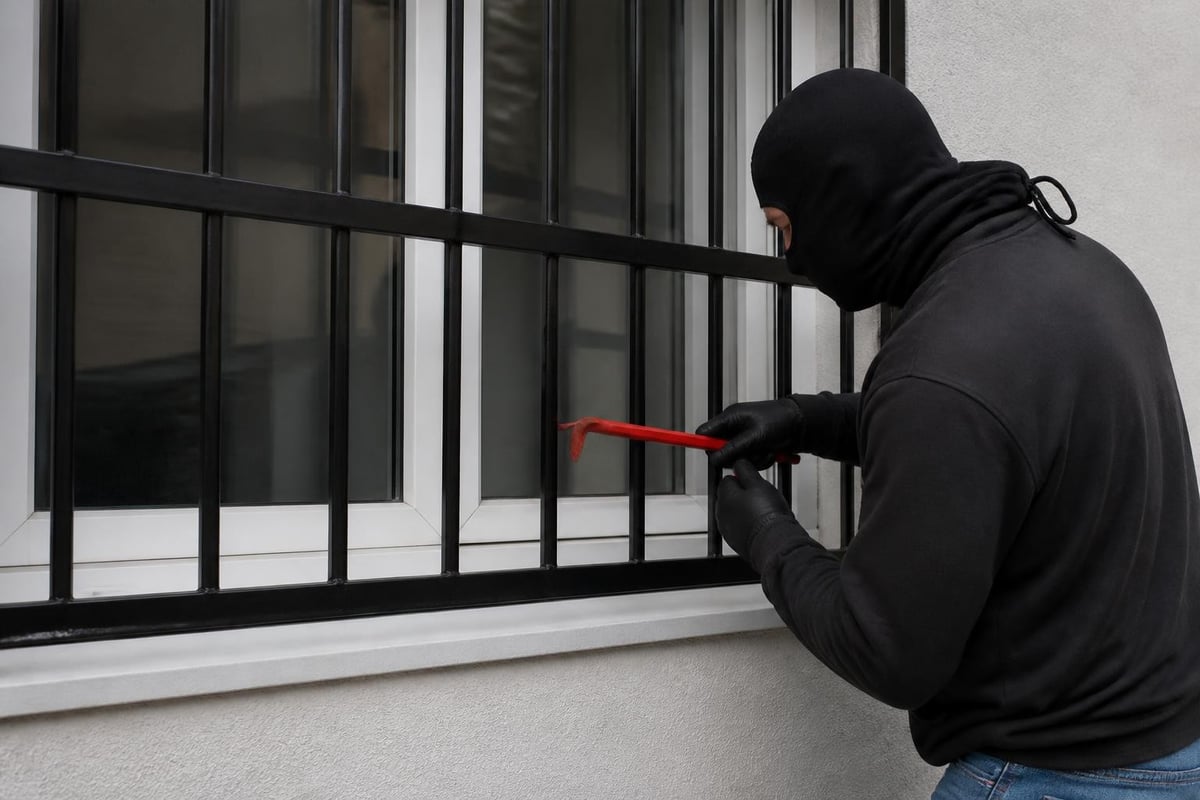
Steel and aluminum represent the two dominant materials for window security bars, each offering distinct advantages. Steel provides maximum strength and impact resistance, making it extremely difficult to cut or pry. Powder-coated or galvanized steel resists corrosion in most climates, though coastal environments with salt air may accelerate rust without proper surface treatment.
Aluminum offers excellent corrosion resistance and weighs significantly less than steel while still providing substantial security. Modern aluminum alloys deliver strength-to-weight ratios suitable for residential applications, especially when bars are spaced appropriately and anchored securely. Aluminum maintains its appearance longer than untreated steel and requires less maintenance over its service life.
| Material | Strength | Weight | Corrosion Resistance | Maintenance | Typical Cost |
|---|---|---|---|---|---|
| Mild Steel | Very High | Heavy | Moderate (requires coating) | Periodic inspection/repainting | Moderate |
| Galvanized Steel | Very High | Heavy | High | Minimal | Moderate-High |
| Aluminum Alloy | High | Light | Excellent | Very Low | Moderate |
| Stainless Steel | Highest | Heavy | Excellent | Minimal | High |
The bar diameter and wall thickness matter as much as material selection. Solid bars of 12-16mm diameter or hollow tubes with adequate wall thickness (minimum 2mm) provide appropriate security for most residential applications. Commercial properties or high-risk locations may specify larger dimensions or additional reinforcement.
Proper installation determines whether metal security bars for windows deliver effective protection or create a false sense of security. Bars must anchor into the structural frame surrounding the window, not merely into drywall, stucco, or brick veneer.
Professional installers assess the wall construction and select appropriate fasteners: expanding anchor bolts for masonry, through-bolts secured to framing members in wood-frame construction, or specialized systems for concrete block. The mounting frame should extend beyond the window opening to prevent prying the entire assembly away from the wall.
Structural anchoring:
Bar spacing and configuration:
The mounting system must withstand significant force. Testing protocols require bars to resist 450 newtons of force applied at any point without displacing more than 25mm, though security-focused installations often exceed these minimums.
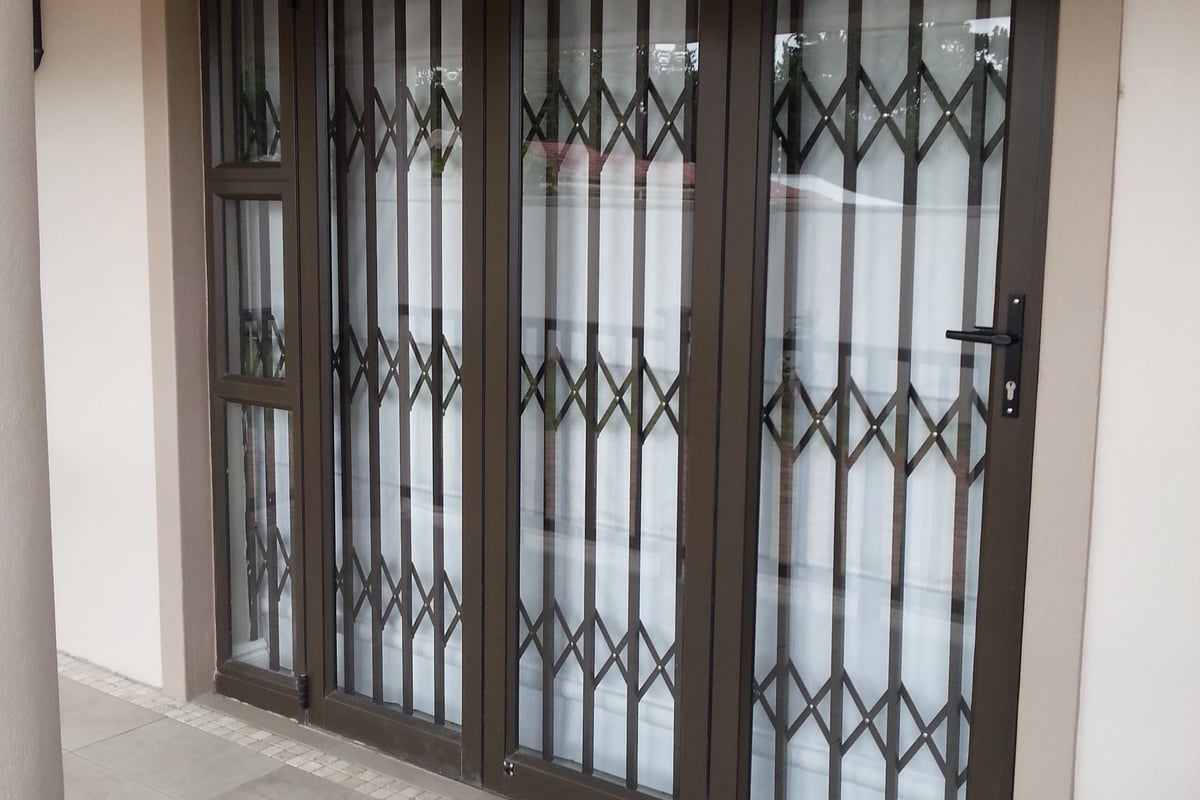
When selecting permanent protection for your windows, consider modern aluminum security solutions that provide both strength and clean aesthetics. Limax's burglar guards offer custom-fitted protection with rust-free durability and multiple style configurations to suit your property's architectural character.
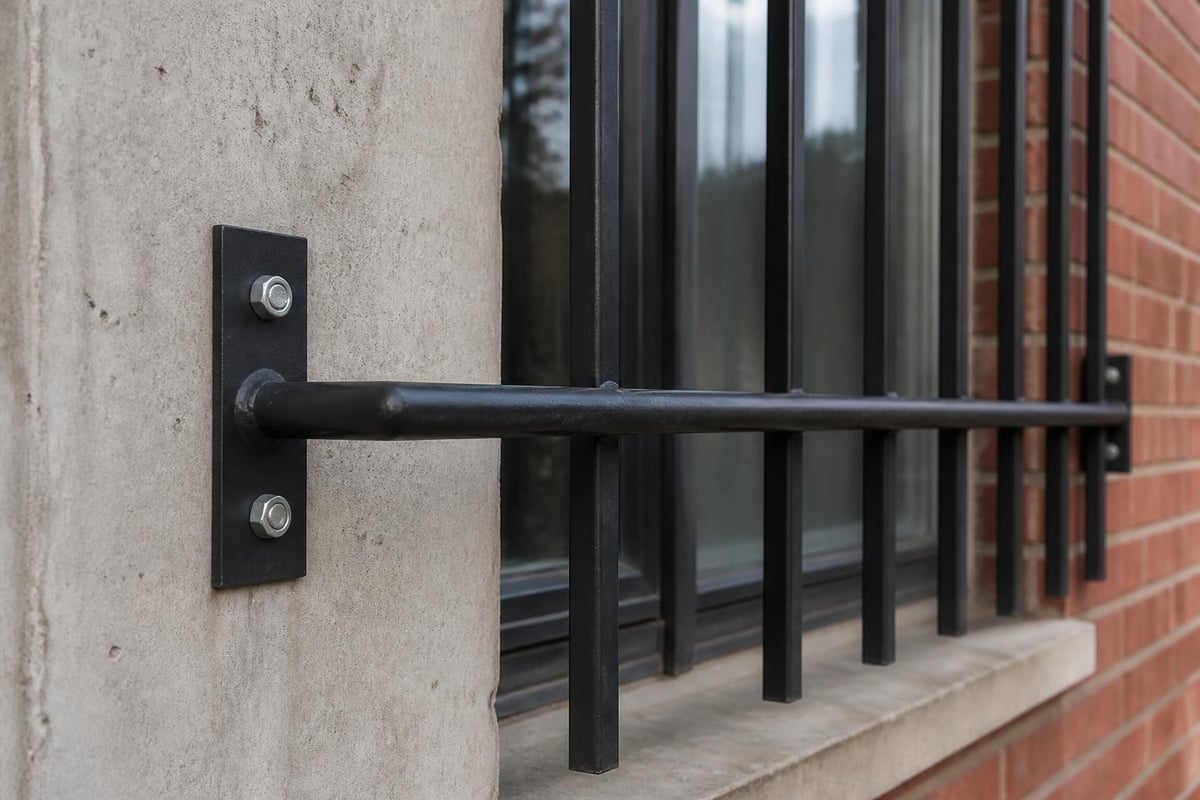
The most critical aspect of metal security bars for windows involves ensuring occupants can escape during emergencies. ASTM F2090 standards specify performance requirements for window fall-prevention devices with emergency-escape release mechanisms, and these principles apply directly to security bars.
Quick-release systems allow bars to swing open or drop away when activated from inside, without requiring keys, tools, or complex procedures. The release mechanism must operate with a single action that doesn't require fine motor skills, making it accessible to children, elderly occupants, and people under stress.
Compliant release mechanisms include:
The Underwriters Laboratories window-bar releasing systems technical bulletin emphasizes that release mechanisms must remain functional over thousands of cycles and under various environmental conditions. Testing includes operation after exposure to extreme temperatures, corrosion, and physical stress.
Residential properties must provide egress from every sleeping room and at least one room on every floor. When bars cover egress windows, they require quick-release mechanisms that activate without tools or keys. The InterNACHI guidance for window bars summarizes inspection points that help homeowners and installers verify compliance.
Commercial properties face additional requirements. Fire marshals evaluate means of egress for occupant load, and bars may require special approval or supplementary fire-safety measures. Multi-family dwellings often prohibit fixed bars on sleeping-room windows entirely, mandating removable or quick-release systems only.
Provincial and municipal jurisdictions interpret codes differently. British Columbia’s fire safety codes and bulletins provide examples of how local authorities adapt national standards to regional conditions and enforcement priorities.
Contemporary metal security bars for windows include decorative elements that transform utilitarian protection into architectural features. Ornamental designs incorporate scrollwork, geometric patterns, or custom motifs that complement property style while maintaining security function.
Available design styles:
Color finishes extend beyond basic black or white. Powder coating in bronze, champagne, anthracite, or custom colors allows bars to match existing architectural elements. Textured finishes reduce glare and blend with natural surroundings, while high-gloss options make bold statements on contemporary properties.
| Design Type | Security Level | Visibility Impact | Aesthetic Appeal | Relative Cost |
|---|---|---|---|---|
| Straight Vertical | Highest | Moderate | Utilitarian | Low |
| Ornamental Wrought-Iron | High | Moderate-High | Traditional/Elegant | High |
| Horizontal Modern | High | Low-Moderate | Contemporary | Moderate |
| Diamond Grid | Very High | High | Classic | Moderate |
| Clear-View Minimal | High | Very Low | Discreet/Modern | Moderate-High |
The visual impact varies based on bar thickness, spacing, and finish. Thinner bars spaced optimally for security but painted in colors matching the building facade become nearly invisible from a distance, while decorative designs intentionally draw attention as attractive architectural features.
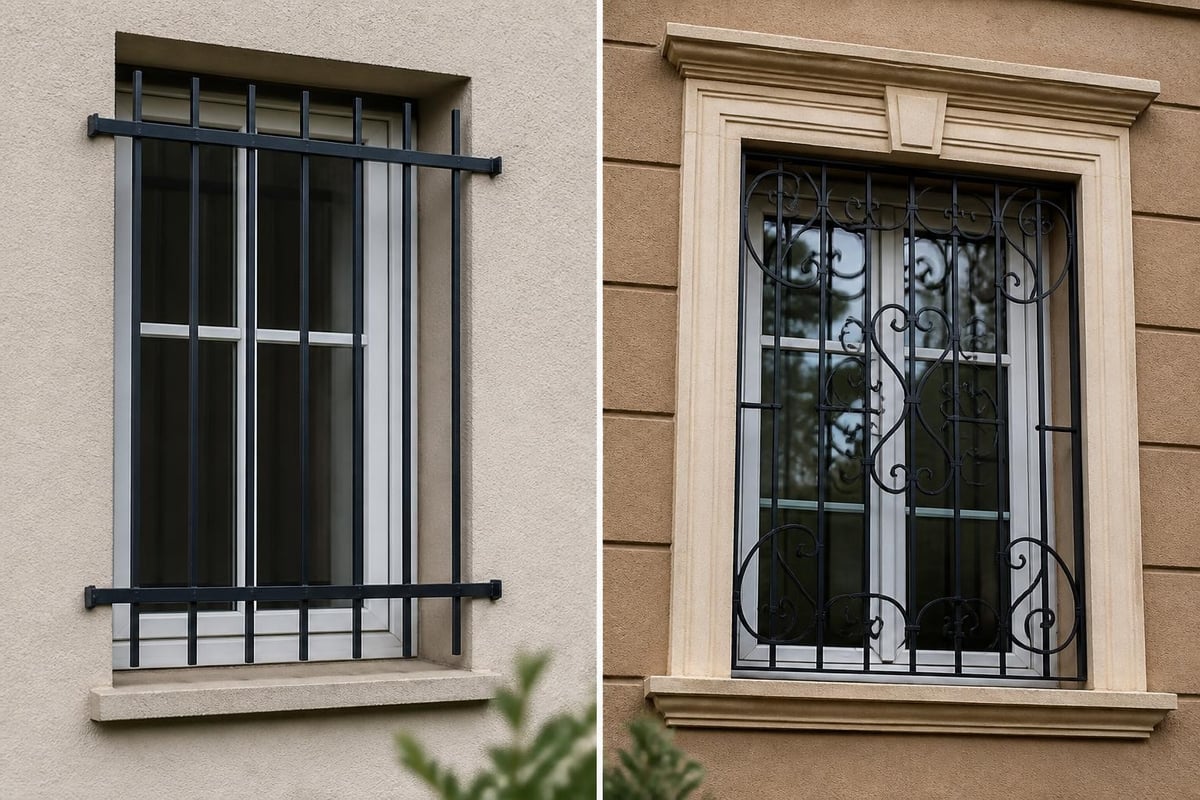
Installing metal security bars for windows on the exterior or interior affects both security performance and practical considerations. Each approach offers distinct advantages depending on property type, architectural constraints, and security priorities.
Exterior installation benefits:
Interior installation benefits:
Commercial properties typically favor exterior installation for maximum deterrence and weather protection. Residential properties often choose based on homeowner association rules, personal aesthetic preferences, and the specific security threat being addressed.
Regular inspection ensures metal security bars for windows maintain their protective function over years of service. Check anchor points annually for loosening, corrosion, or damage. Tighten fasteners as needed and replace any showing significant rust or degradation.
Test quick-release mechanisms quarterly to verify smooth operation. Lubricate moving parts with dry lubricant (not oil, which attracts dust and grit). Ensure all household members understand how to operate releases and practice emergency egress procedures at least annually.
Clean bars periodically to remove dirt, salt residue, or environmental contaminants that accelerate corrosion. Mild soap and water suffice for most finishes; avoid abrasive cleaners that damage powder coating or paint.
While metal security bars for windows provide robust physical protection, property owners should evaluate complementary approaches that address security comprehensively.
Alternative protective systems:
The Building America guidance on window protection from IBHS examines when laminated or impact-rated glass makes more sense than bars, particularly for properties facing hurricane or severe-weather risks.
Complementary security layers:
Integrated security approaches recognize that no single measure provides perfect protection. Layered defenses increase the time, tools, and expertise required to successfully breach a property, maximizing deterrence while providing detection and response capabilities.
Pricing for metal security bars for windows varies based on material, design complexity, window size, and installation requirements. Basic straight-bar systems for standard windows range from $150-$300 per window for materials and professional installation. Decorative designs or custom sizing increase costs to $400-$800 per window. Stainless steel or highly ornamental installations can exceed $1,000 per window.
The security investment should be evaluated against property value, crime rates in the area, and the value of assets being protected. Properties in higher-risk neighborhoods or those storing valuable equipment, artwork, or inventory justify premium security expenditures that properties in low-crime suburban areas may not require.
Insurance implications vary by provider and policy. Some insurers offer premium discounts for documented security improvements, though bars alone rarely qualify for significant reductions. Combined with monitored alarms and other measures, comprehensive security upgrades may reduce premiums by 5-15%.
Budget planning factors:
Property owners should obtain multiple quotes from reputable security specialists who can assess structural requirements, verify code compliance, and provide warranties on materials and workmanship. The lowest bid rarely delivers the best long-term value when security and safety are priorities.
Municipal building codes, fire regulations, and homeowner association rules all potentially affect metal security bars for windows. Before installation, research applicable requirements in your jurisdiction and obtain necessary permits.
Building departments review proposed installations to verify structural adequacy and egress compliance. Submit plans showing bar locations, anchoring methods, and release mechanisms. Inspectors verify that work meets approved specifications and applicable codes.
Fire departments may impose additional requirements beyond basic egress provisions, particularly for multi-family dwellings or buildings with special occupancies. Some jurisdictions prohibit fixed bars on upper-floor windows accessible to fire-department ladders, requiring releasable systems fire personnel can open from outside.
Homeowner associations and historic preservation districts often regulate external modifications visible from public streets. Design review committees evaluate proposed installations for architectural compatibility and may require specific styles, colors, or mounting methods. Review governing documents and submit applications before purchasing materials or scheduling installation.
Choosing appropriate metal security bars for windows requires balancing security needs, regulatory requirements, aesthetic preferences, and budget constraints. Start by identifying which windows need protection based on accessibility, visibility from public areas, and the assets they could provide access to.
Decision framework:
Ground-floor windows, basement openings, and access points obscured by landscaping or structures represent highest-priority locations. Upper-floor windows accessible from flat roofs, balconies, or nearby trees also warrant consideration despite their elevated position.
Work with experienced security professionals who understand both protective effectiveness and life-safety requirements. Qualified installers assess structural conditions, recommend appropriate systems, and ensure compliance with applicable codes. They also provide warranty protection and ongoing service that DIY installations lack.
Metal security bars for windows deliver proven physical protection when properly selected, installed, and maintained according to current safety standards. Working with experienced professionals ensures your window security meets regulatory requirements while providing effective deterrence and protection. Limax Security Specialists brings decades of expertise in custom security solutions throughout South Africa, offering comprehensive consultations, professional installations, and ongoing support to protect your property without compromising safety or aesthetics.


