
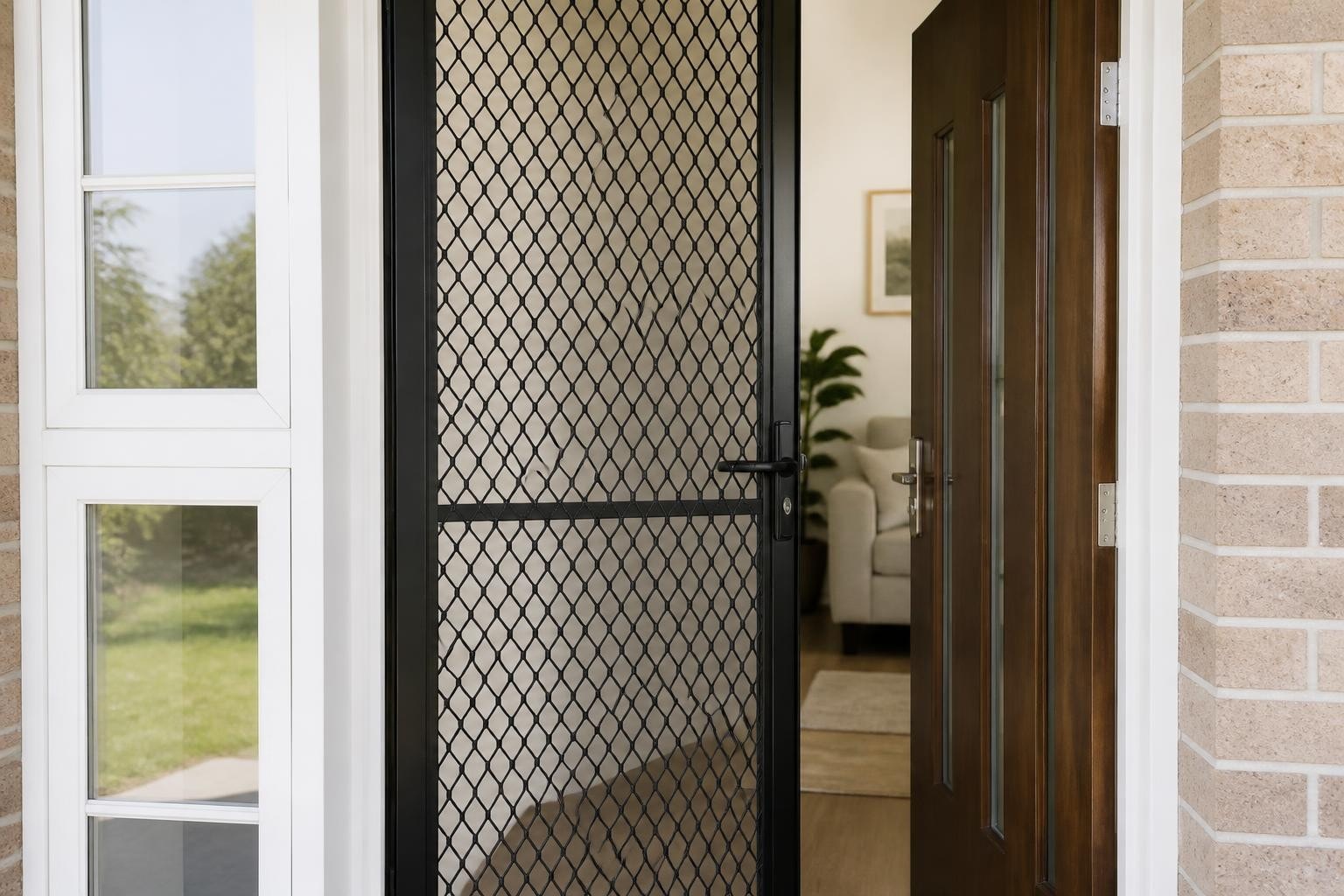
Protecting residential and commercial properties requires a multi-layered approach that begins at the perimeter. Security doors and screens represent the first line of defense against intrusion, environmental hazards, and unwanted access. These specialized installations combine robust materials with intelligent design to create barriers that deter criminals while maintaining visibility, ventilation, and aesthetic appeal. Understanding the technology, standards, and installation considerations behind modern security doors and screens empowers property owners to make informed decisions that balance protection with livability.
Modern security doors have evolved far beyond simple reinforced panels. Today's installations incorporate high-grade materials, advanced locking mechanisms, and design features that meet rigorous testing standards.
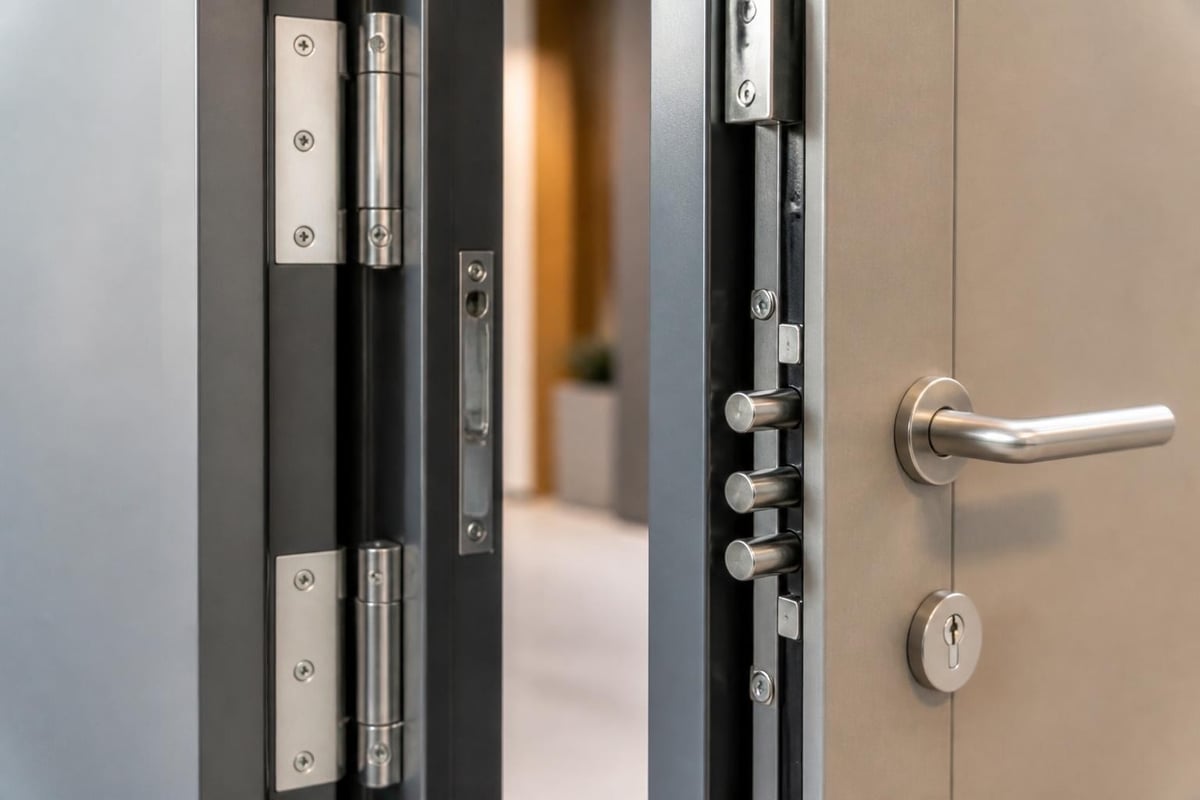
Steel security doors typically feature 16- to 18-gauge steel frames with reinforced lock boxes and hinge points. These installations resist forced entry through brute force attacks while providing fire resistance ratings when properly certified. The frame integration with surrounding structures determines overall system strength, making professional installation critical.
Aluminum security options offer corrosion resistance particularly valuable in coastal environments and humid climates. Marine-grade aluminum alloys (typically 6063-T5 or 6061-T6) provide excellent strength-to-weight ratios while resisting rust and degradation. These doors work especially well where weight considerations matter, such as in retrofit applications or older structures.
Key construction features include:
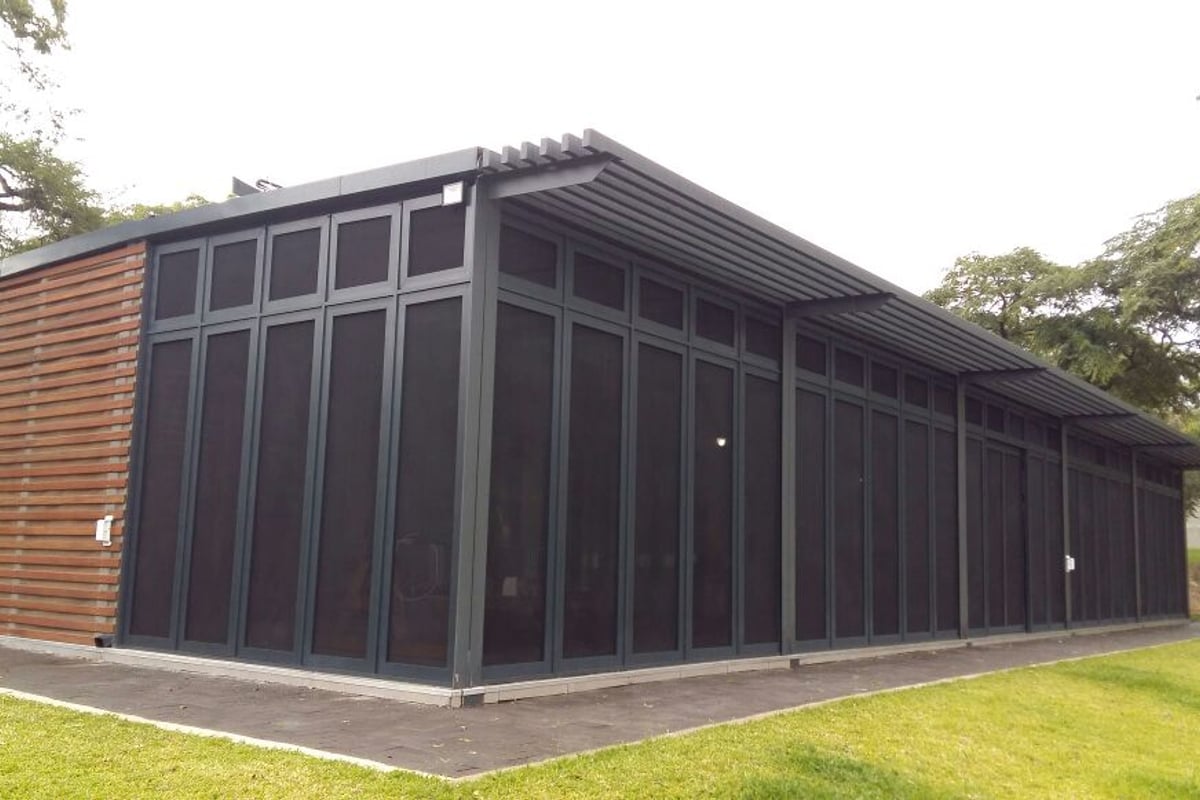
Security screens represent a distinct category within perimeter protection. Unlike traditional insect screens, security mesh installations must resist cutting, tearing, and impact while maintaining visibility and airflow.
Stainless steel mesh (typically 304 or 316 grade) forms the foundation of most quality security screens. The 316 marine-grade specification offers superior corrosion resistance in salt-air environments. Wire diameter typically ranges from 0.7mm to 1.0mm, with tighter weaves providing greater security at the cost of slightly reduced visibility.
Aperture size (the opening between wires) directly affects both security and functionality. Common specifications include:
| Aperture Size | Security Level | Visibility | Airflow | Best Application |
|---|---|---|---|---|
| 1.5mm × 1.5mm | Highest | Good | Moderate | High-risk areas |
| 2.0mm × 2.0mm | High | Excellent | Good | Balanced residential |
| 2.5mm × 2.5mm | Moderate | Excellent | Excellent | Low-risk, ventilation priority |
Recent developments in security screen standardization have introduced clearer performance benchmarks. Testing protocols now evaluate knife-shear resistance, impact resistance (using standardized projectiles), and jemmy resistance (resistance to prying tools). These standards help specifiers and property owners compare products objectively rather than relying solely on manufacturer claims.
Proper installation determines whether security doors and screens perform as designed or create vulnerable points in your security perimeter. Even premium products fail when mounted incorrectly.
The mounting substrate must provide adequate strength to resist the forces applied during an attack. Solid wood framing (minimum 38mm × 89mm studs) or reinforced steel framing offers the best anchor points. Masonry installations require specialized anchors rated for pullout forces exceeding 500kg per anchor point.
Professional installers verify:
Never mount security doors or screens to drywall alone. The gypsum board cannot resist the lateral forces applied during forced-entry attempts, and the entire assembly will fail regardless of door quality.
Building codes increasingly mandate minimum security performance for new construction and major renovations. The UK's Approved Document Q provides comprehensive guidance on security standards for dwellings, establishing baseline resistance requirements for doors and windows.
Key compliance considerations:
Fire-rated applications require doors tested to relevant standards such as UL 10C in North America or BS 476 in international markets. The UL fire-rated doors guide details testing protocols and certification requirements for installations where fire separation matters.
Ballistic resistance becomes relevant for high-security commercial applications. UL 752 ratings (Levels 1-8) specify resistance to various ammunition types, though residential applications rarely require this level of protection.
Accessibility requirements mandate specific operating forces and clearances. Security installations must not impede emergency egress or violate disability access requirements.
In South Africa, SABS standards govern many security product specifications, though enforcement varies by municipality. Reputable installers ensure compliance with both mandatory requirements and industry best practices.
Physical security measures work best when integrated into broader crime prevention strategies. Crime Prevention Through Environmental Design (CPTED) principles guide the strategic placement and specification of security doors and screens.
Effective perimeter security employs multiple barriers that slow intruders and increase detection likelihood. Security doors and screens serve different roles in this strategy:
Primary barriers (perimeter fencing, property-line gates) establish territorial definition and provide the first psychological deterrent. Secondary barriers (security doors at building entry points) protect against intrusion after perimeter breach. Tertiary barriers (security screens on windows, internal security gates) create safe rooms and limit internal movement.
Research from the National Institute of Justice on physical environment and crime demonstrates that layered approaches significantly outperform single-point security measures. Properties with multiple security layers experience attempted break-in rates 60-70% lower than comparable properties with single-barrier protection.
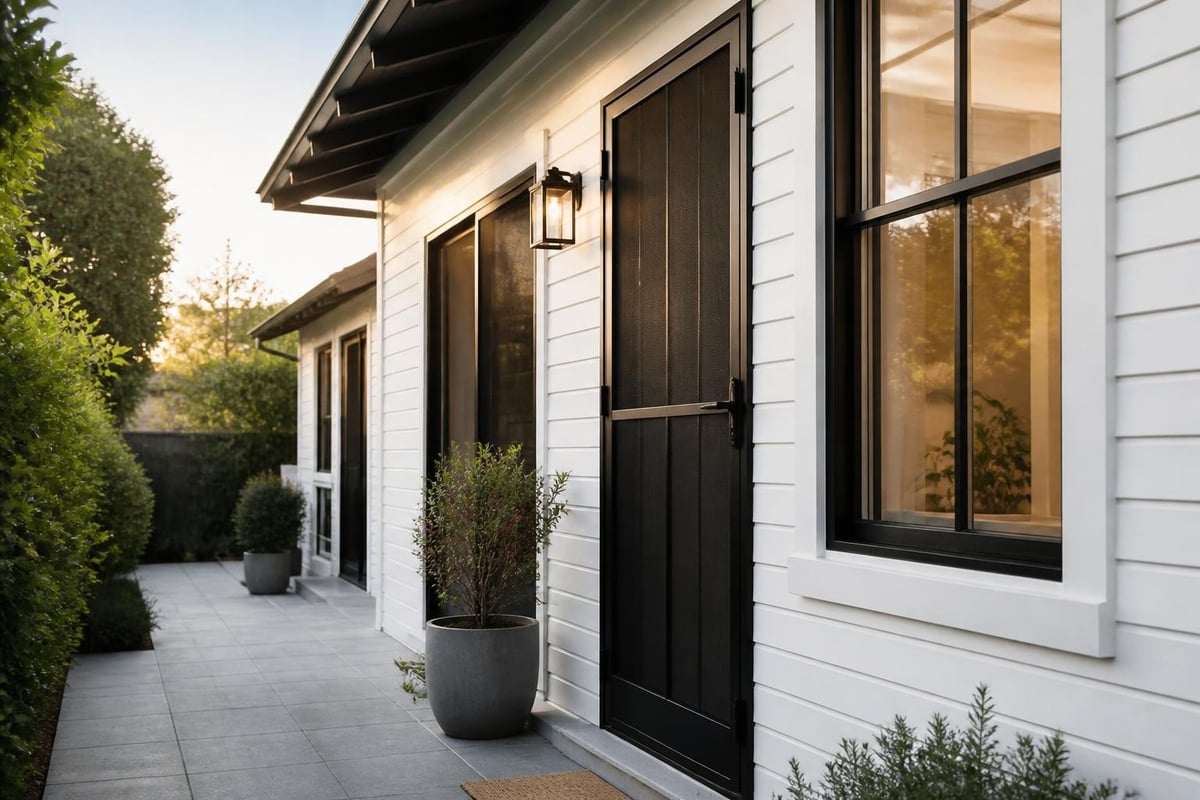
Modern security doors and screens balance protection with design considerations that avoid the "fortress mentality" appearance that can diminish property value and neighborhood character.
Design strategies include:
The UK's Secured by Design program provides detailed specifications balancing security performance with aesthetic considerations. These police-backed standards demonstrate that effective protection doesn't require unattractive installations.
Security doors and screens must maintain protective capability throughout their service life, often 15-25 years in residential applications. Material selection directly impacts longevity, maintenance requirements, and total cost of ownership.
Coastal properties, industrial areas, and regions with high humidity or pollution require materials engineered for aggressive environments. Standard steel security doors fail rapidly when exposed to salt air, often showing significant corrosion within 2-3 years despite protective coatings.
Material specifications for corrosion resistance:
| Material | Coastal Suitability | Expected Lifespan | Maintenance Requirement |
|---|---|---|---|
| Mild steel (painted) | Poor | 5-8 years | High (annual recoating) |
| Galvanized steel | Moderate | 10-15 years | Moderate (periodic inspection) |
| Aluminum (powder-coated) | Excellent | 20-25 years | Low (occasional cleaning) |
| Stainless steel 316 | Excellent | 25+ years | Minimal (periodic cleaning) |
Security installations at conditioned building perimeters affect thermal performance. Solid steel security doors create thermal bridges that increase heat transfer, raising cooling/heating costs and potentially causing condensation problems.
Solutions include:
South African properties particularly benefit from security screens that enable natural ventilation during moderate weather, significantly reducing HVAC energy consumption while maintaining protection.
Regular maintenance extends service life and ensures security doors and screens continue performing as designed. Deferred maintenance creates vulnerabilities that criminals can exploit.
Monthly visual inspections should verify:
Annual professional service includes lubrication of moving parts with appropriate products (dry graphite for locks, light machine oil for hinges), fastener tightening verification, and adjustment of door alignment if settling has occurred.
Security installations most frequently fail through:
Addressing these issues proactively through scheduled maintenance prevents security degradation and extends installation service life well beyond typical expectations.
Modern security doors and screens increasingly function as platforms for electronic security systems rather than purely mechanical barriers. This integration creates comprehensive security solutions that detect, delay, and document intrusion attempts.
Magnetic contact switches mounted in door frames detect opening events, triggering alarms or notifications. Quality security door installations include recessed contact mounting that prevents tampering and maintains aesthetic appearance.
Advanced systems incorporate:
Commercial applications and high-security residential installations often integrate electronic access control with physical security barriers. Electromagnetic locks (mag locks) and electric strikes controlled by keypads, card readers, or biometric devices provide keyless access while maintaining audit trails.
This combination delivers several advantages:
Security screens with electronic locks enable zones that remain ventilated while secured, particularly valuable in climates where closing solid doors creates uncomfortable conditions.
Security doors and screens represent significant investments, typically ranging from $800 to $3,500 per opening depending on size, material, and features. Understanding return on investment helps property owners make informed decisions.
The average residential burglary results in direct losses of $2,400-$4,800 (property theft and damage), according to crime statistics. Indirect costs including increased insurance premiums, lost time, emotional distress, and reduced sense of security add substantially to total impact.
Break-even analysis for typical residential security installation:
| Installation Scope | Investment | Prevented Burglaries to Break Even | Years to Statistical Break-even* |
|---|---|---|---|
| Single entry door | $1,200 | 0.3 | 1.8 years |
| Entry + two window screens | $3,500 | 1.0 | 6.2 years |
| Complete first-floor protection | $8,500 | 2.4 | 14.8 years |
*Based on average residential burglary rates in South African suburban areas (approximately 16% cumulative risk over 10 years for unprotected properties versus 4% for protected properties).
Many insurers offer premium discounts of 10-20% for properties with certified security installations. A property with $180,000 in insured value paying $2,400 annual premium could save $240-$480 annually with qualifying security doors and screens, creating ongoing returns throughout the installation's service life.
Documenting installations with product certifications and professional installation certificates maximizes insurance recognition and discount eligibility.
Security doors and screens provide essential protection for residential and commercial properties when properly specified, installed, and maintained. These physical barriers create layered defense systems that significantly reduce intrusion risk while preserving livability and aesthetic appeal. For property owners throughout South Africa seeking expert guidance on comprehensive security solutions, Limax Security Specialists offers professional assessment, specification, and installation services backed by decades of experience in high-performance security installations.


