
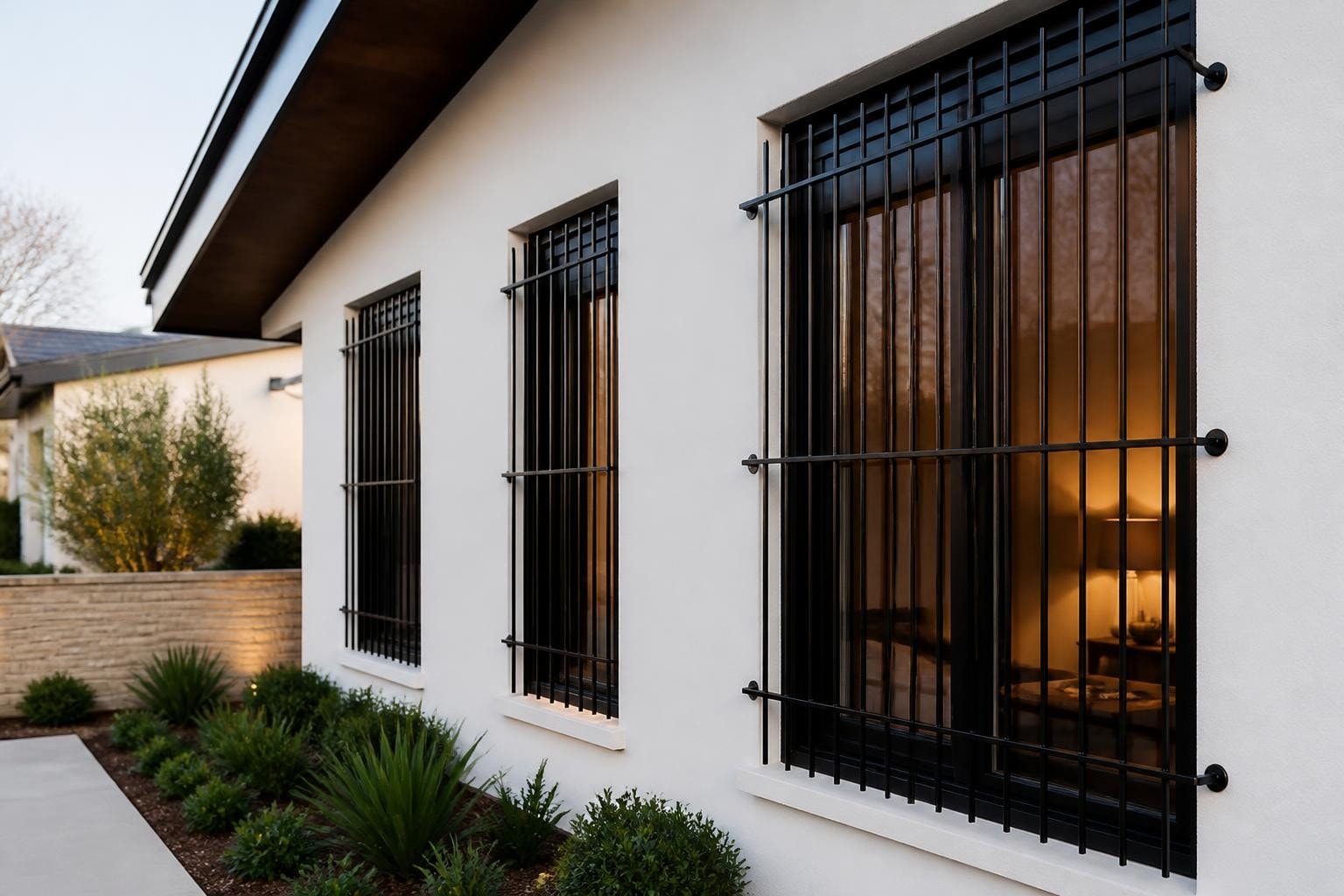
Window security bars exterior installations have become an essential component of comprehensive property protection strategies in South Africa and worldwide. As crime rates continue to challenge homeowners and businesses, these visible deterrents offer a powerful first line of defense while allowing natural light and ventilation. Understanding the technical specifications, safety requirements, and design considerations helps property owners make informed decisions about securing their most vulnerable entry points without compromising aesthetics or emergency egress capabilities.
Window security bars exterior installations differ fundamentally from interior bars in both function and regulatory requirements. Exterior mounting positions the protective barrier outside the window frame, creating a physical obstacle before an intruder can access the glass itself.
This placement offers several strategic advantages. The bars weather outdoor conditions, keeping the interior living space free from visual obstruction. They also signal deterrence from the street, often convincing would-be criminals to move on to softer targets.
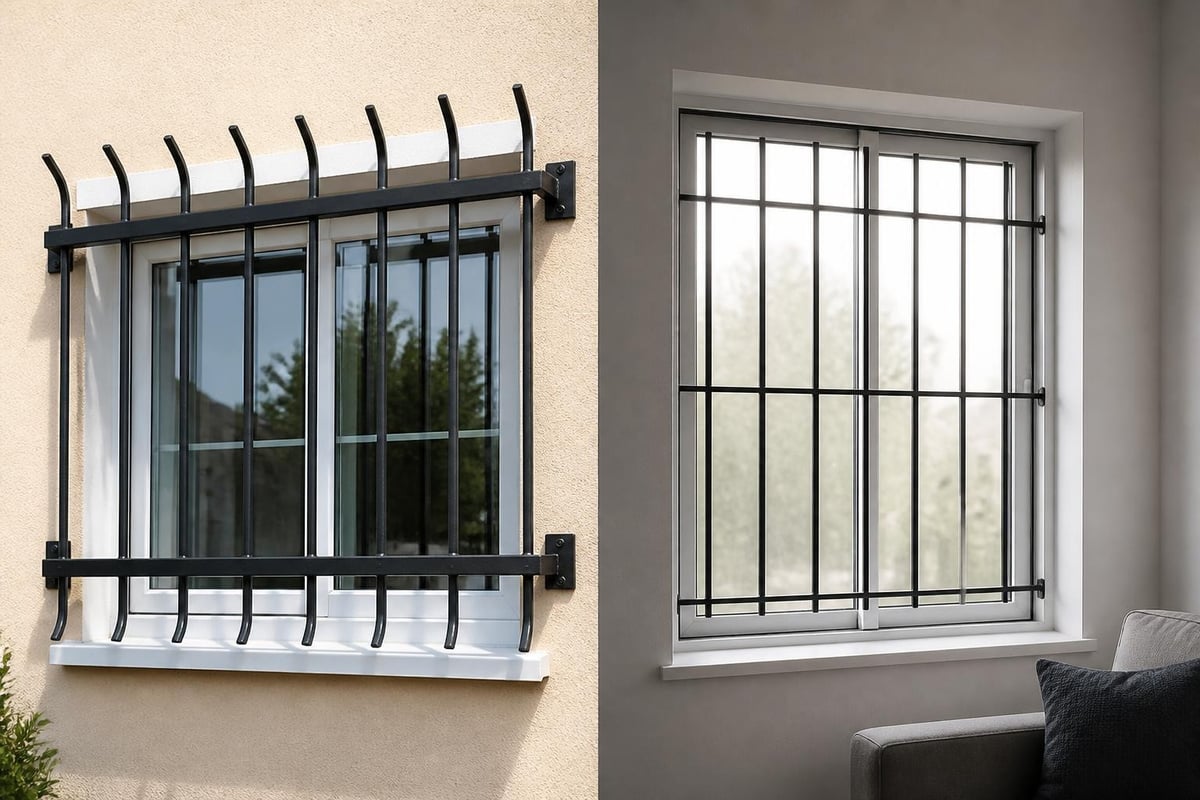
The most common materials for window security bars exterior applications include:
Each material presents trade-offs between cost, maintenance requirements, and security performance. Steel bars typically range from 12mm to 16mm in diameter for residential applications, while commercial installations may specify 20mm or larger. The spacing between bars should not exceed 100mm to prevent body penetration, a standard that balances security with emergency egress considerations.
One of the most critical aspects of window security bars exterior installations involves life safety codes. The NFPA Life Safety Code explicitly addresses security bars on windows used for emergency escape, requiring quick-release mechanisms that occupants can operate from inside without keys, tools, or specialized knowledge.
These regulations exist because tragic fires have resulted in fatalities when occupants could not escape through barred windows. Even exterior-mounted bars must comply with release requirements on bedrooms and habitable spaces below certain floor levels.
Modern window security bars exterior systems incorporate several approved release designs:
| Release Type | Operation Method | Best For | Maintenance |
|---|---|---|---|
| Single-lever | One pull releases entire panel | Bedrooms, living areas | Annual lubrication |
| Double-action | Two-step process prevents accidental release | High-security zones | Quarterly inspection |
| Key-operated interior | Key stored nearby in breakable box | Non-sleeping areas only | Six-month check |
| Hinged swing-out | Entire bar assembly swings open | Ground floor windows | Hinge lubrication monthly |
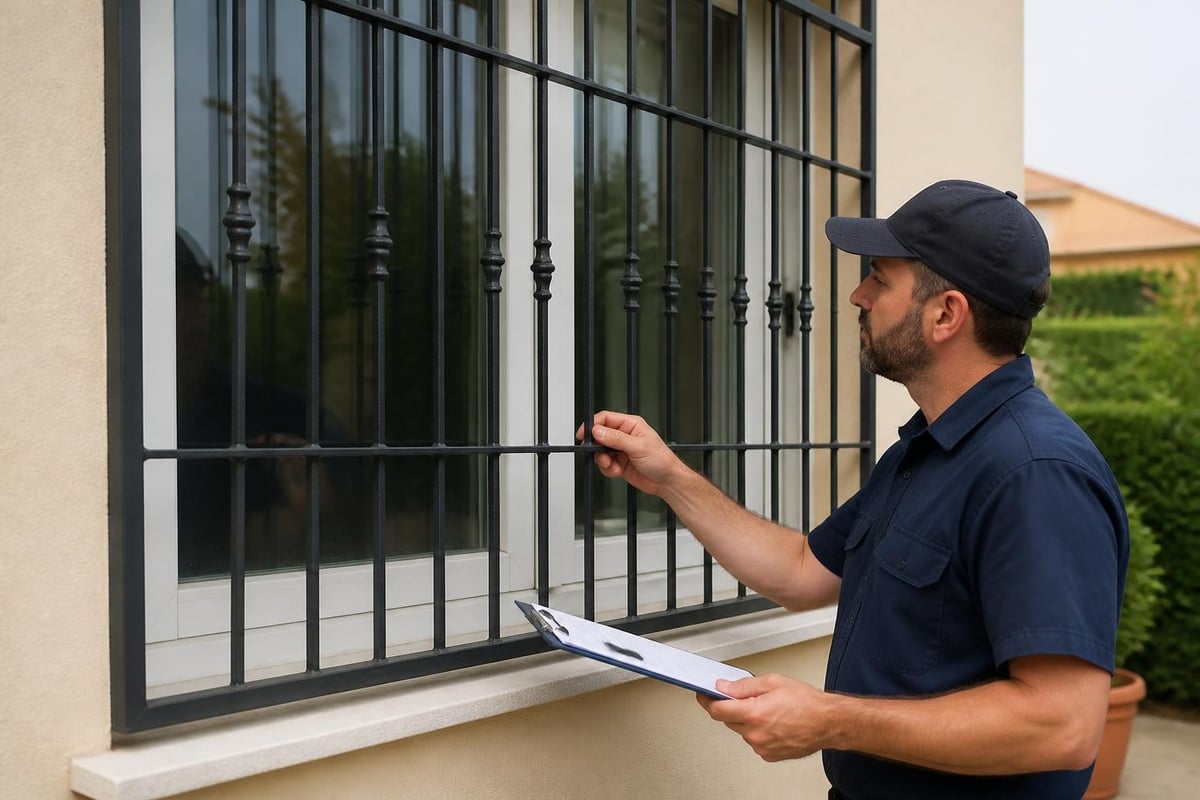
The InterNACHI guidance for home inspectors provides a practical checklist that includes verifying that release mechanisms function smoothly, latches engage properly, and no modifications have compromised the quick-release capability. Property owners should test these mechanisms quarterly and ensure all household members understand their operation.
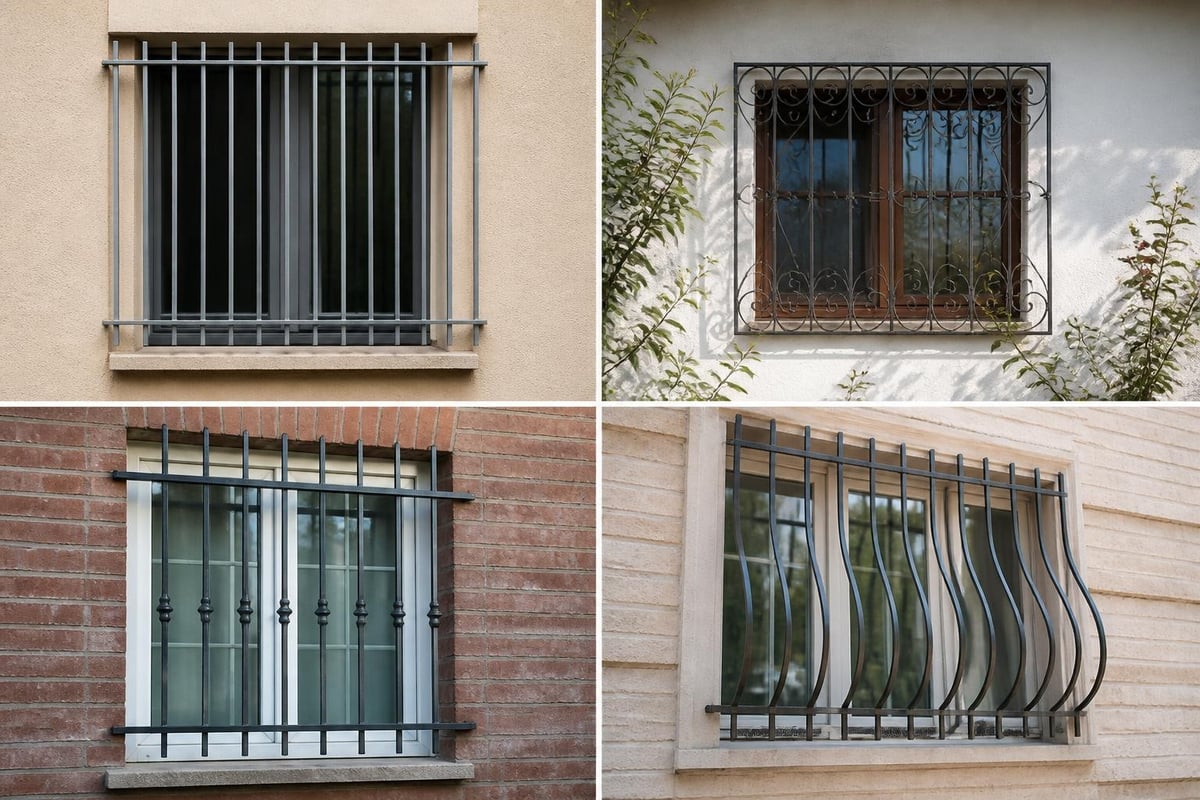
Window security bars exterior installations need not resemble prison cells. Contemporary designs balance protection with curb appeal through thoughtful pattern selection and architectural harmony.
Decorative patterns include scrollwork, geometric designs, and custom motifs that complement a home's architectural style. Mediterranean-style homes might feature curved, flowing patterns reminiscent of traditional Spanish ironwork. Modern minimalist properties often specify clean horizontal bars with minimal ornamentation.
The finish significantly impacts visual integration. Powder-coated bars can match window frames, blend with exterior walls, or create deliberate contrast as design features. Black remains the most popular choice for contemporary homes, while bronze or copper tones suit traditional architecture.
For properties with historical significance, the U.S. National Park Service historic preservation guidance emphasizes reversible security measures that can be removed without damaging original fabric. Exterior bars often meet this criterion better than permanent welded installations, provided mounting points use non-destructive techniques.
Proper installation determines whether window security bars exterior systems deliver promised protection. Bars bolted only to window frames can be pried away; professional installations anchor into structural members.
Anchor points should penetrate at least 75mm into solid masonry or connect to structural framing members in wood-frame construction. Installers typically use four anchor points per linear meter of bar span, with additional supports at corners and release mechanism mounting locations.
Ground clearance matters for exterior bars on lower windows. Installing bars too close to grade provides leverage points for prying tools. A minimum 150mm gap between the lowest horizontal bar and ground level reduces this vulnerability while maintaining security coverage.
Research into crime prevention through environmental design demonstrates that visible security measures significantly reduce burglary attempts. A meta-analysis of situational crime prevention programs found that physical barriers like window bars create rational choice deterrence, convincing offenders that the effort and risk exceed potential rewards.
Window security bars exterior installations work through multiple mechanisms:
The deterrence effect extends beyond the protected property. Secured homes often displace crime to less-protected neighboring properties, creating community pressure for comprehensive security adoption. This phenomenon explains why entire neighborhoods sometimes coordinate security upgrades.
While no universal certification exists specifically for window security bars exterior products, reputable manufacturers test their systems against relevant standards. Breaking strength, corrosion resistance, and release mechanism reliability undergo laboratory evaluation.
Quality bars should withstand at least 500kg of lateral force without deflecting more than 25mm. Quick-release mechanisms must function after 10,000 operation cycles and withstand corrosion testing equivalent to five years of coastal exposure.
Window security bars exterior systems require regular maintenance to sustain both security and safety functions. Exposure to weather, pollution, and temperature cycles gradually degrades even premium materials.
Property owners should implement a systematic maintenance program:
Coastal installations face accelerated corrosion from salt spray and require more frequent inspection. Even stainless steel develops surface staining that, while not structurally significant, detracts from appearance. Annual cleaning with appropriate solutions maintains the visual appeal that homeowners expect.
Release mechanisms demand particular attention. A security bar system that cannot be quickly opened from inside becomes a death trap rather than a safety feature. Property owners should practice emergency releases during daylight inspections to ensure functionality under stress.
Window security bars exterior installations deliver maximum value when integrated into layered security strategies. Physical barriers work alongside electronic detection, lighting, and response protocols to create defense in depth.
Modern security design considers how bars interact with other components. Motion-activated lighting positioned to illuminate barred windows at night enhances deterrence. Security cameras angled to capture approaches to windows provide evidence even when bars prevent entry.
Some advanced installations incorporate sensor technology directly into bar assemblies. Vibration sensors detect cutting attempts, while contact sensors monitor release mechanisms to alert homeowners if bars are opened. These integrations report to central alarm systems, enabling immediate response.
For comprehensive property protection, many South African homeowners complement window bars with other physical security measures. Burglar guards offer custom-made aluminum window security solutions that fit virtually any window size, combining reliable protection with modern aesthetics across multiple design options including BX, BXX, and horizontal bar configurations.
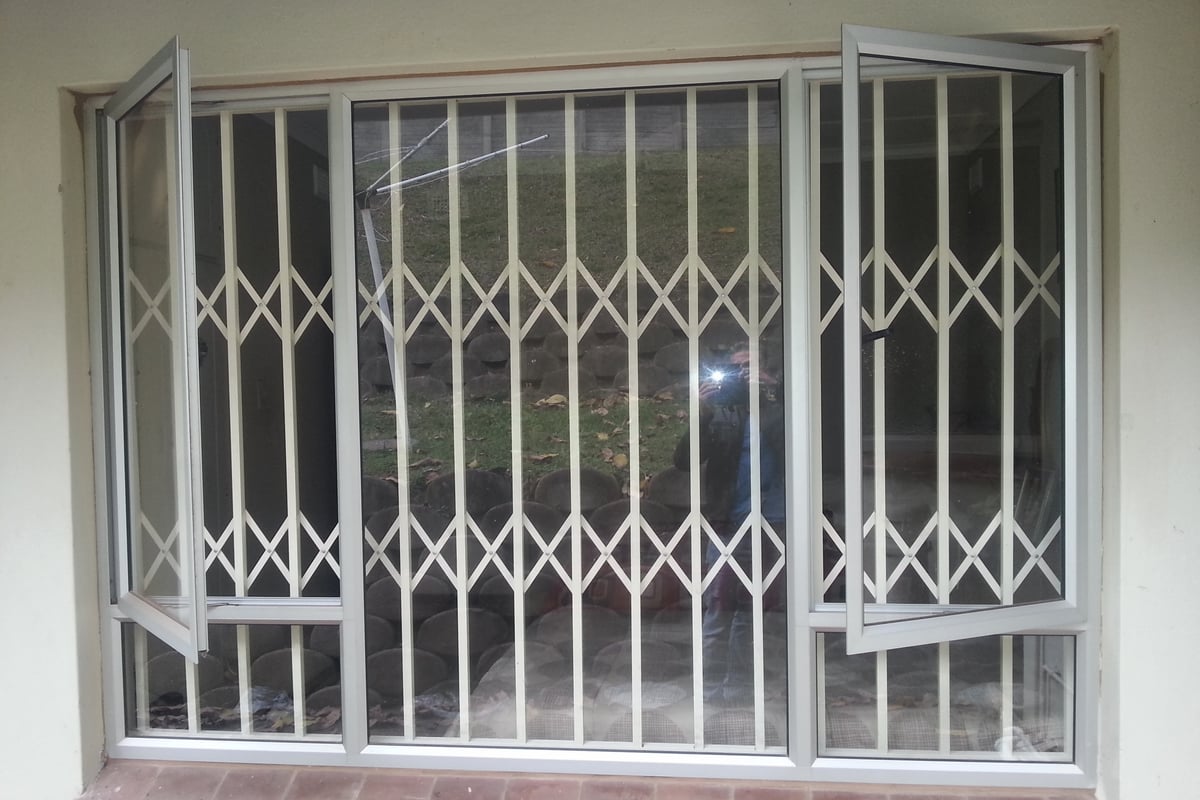
Installing window security bars exterior can influence both insurance premiums and property values, though the relationship proves more complex than simple addition or subtraction.
Insurance providers increasingly recognize the risk reduction that protective window systems deliver. The Insurance Institute for Business & Home Safety research demonstrates that homes with security bars experience fewer successful burglaries, translating to reduced claims. Some insurers offer premium discounts ranging from 5% to 15% for properties with certified security installations.
Property value effects depend heavily on local market conditions and installation quality. In high-crime areas, security features add significant value because buyers prioritize safety. Premium installations with attractive designs preserve or enhance value, while utilitarian bars may signal neighborhood concerns that offset security benefits.
Real estate professionals recommend:
Disclosure requirements vary by jurisdiction, but transparent communication about security features typically improves buyer confidence rather than raising concerns.
Window security bars exterior systems protect not just homes but also retail, office, and industrial properties. Commercial applications introduce additional considerations around business hours, accessibility, and regulatory compliance.
Retail stores face unique challenges balancing security with customer welcome. Bars that appear during closed hours but retract or fold away during business hours offer adaptive protection. Roll-down bar systems, hinged assemblies that swing flat against walls, and removable panels provide flexibility.
UL Code Authority guidance on locking configurations becomes particularly relevant for commercial installations where life safety codes strictly regulate egress capacity. Building occupancy calculations must account for window security that limits emergency exits, sometimes requiring additional egress paths or specific panic hardware on release mechanisms.
Different commercial sectors prioritize specific security features:
| Industry | Primary Concern | Bar Specification | Special Features |
|---|---|---|---|
| Retail | Smash-and-grab theft | Heavy-duty, closely spaced | Retractable systems |
| Warehouse | Forced entry after hours | Industrial-grade steel | Integrated alarms |
| Healthcare | Patient safety + security | Quick interior release | Tamper-resistant exterior |
| Schools | Student safety, egress | Code-compliant release | Visible from outside |
Warehouse and industrial facilities often specify bars with smaller spacing and heavier gauge material than residential applications. The increased security comes at the cost of higher material and installation expenses, which businesses justify through inventory protection and reduced insurance costs.
South African installations must account for diverse climate conditions from coastal humidity to inland temperature extremes. Window security bars exterior systems experience full environmental exposure, making material selection and protective coatings critical.
Coastal regions within 5km of the ocean face the most aggressive corrosion environment. Salt-laden air attacks ferrous metals relentlessly, making stainless steel or heavily galvanized and powder-coated mild steel the only viable long-term options. Even aluminum, while inherently corrosion-resistant, benefits from anodizing or quality powder coating to prevent pitting.
Inland areas with high UV exposure see powder coating degradation, where protective finishes chalk and fade after years of sun exposure. UV-stable powder coatings with higher quality resins extend service life but add 15-20% to initial costs.
Temperature cycling creates expansion and contraction that stresses welds and mounting points. Quality installations incorporate expansion allowances in long bar runs and use mounting hardware that accommodates movement without loosening.
The window security bars exterior industry continues evolving with new materials, smart integration, and design innovations that address traditional limitations.
Composite materials combining steel cores with polymer or aluminum cladding offer corrosion resistance with reduced weight. These hybrid systems install more easily and require less structural support while maintaining security performance.
Smart home integration represents the fastest-growing trend. Window security bars now incorporate sensors that report status to smartphone apps, alerting homeowners when bars are opened or tampered with. Some systems integrate with whole-home automation, automatically securing windows when armed or when occupants leave.
Design software allows homeowners to visualize custom bar patterns before fabrication. Three-dimensional rendering shows exactly how proposed installations will appear on specific windows, enabling informed aesthetic decisions. This technology reduces buyer reluctance by eliminating the unknown factor that previously deterred security investments.
Modular systems offering tool-free removal for seasonal use appeal to vacation properties and areas where security needs fluctuate. These installations maintain full security performance when mounted but allow temporary removal for special occasions or seasonal variation.
The convergence of security, smart home technology, and architectural design continues reshaping how property owners think about window protection. Modern window security bars exterior products balance protection, safety, aesthetics, and convenience in ways previous generations of simple welded bars never achieved.
Window security bars exterior represent a proven, effective security measure that protects property while meeting modern safety standards and design expectations. From material selection through installation and maintenance, informed decisions ensure these systems deliver lasting value without compromising emergency egress or architectural appeal. Whether you're securing a home, business, or specialized facility in South Africa, Limax Security Specialists brings decades of expertise in custom security installations that combine robust protection with aesthetic integration, helping you choose and install the right solution for your specific needs.


