
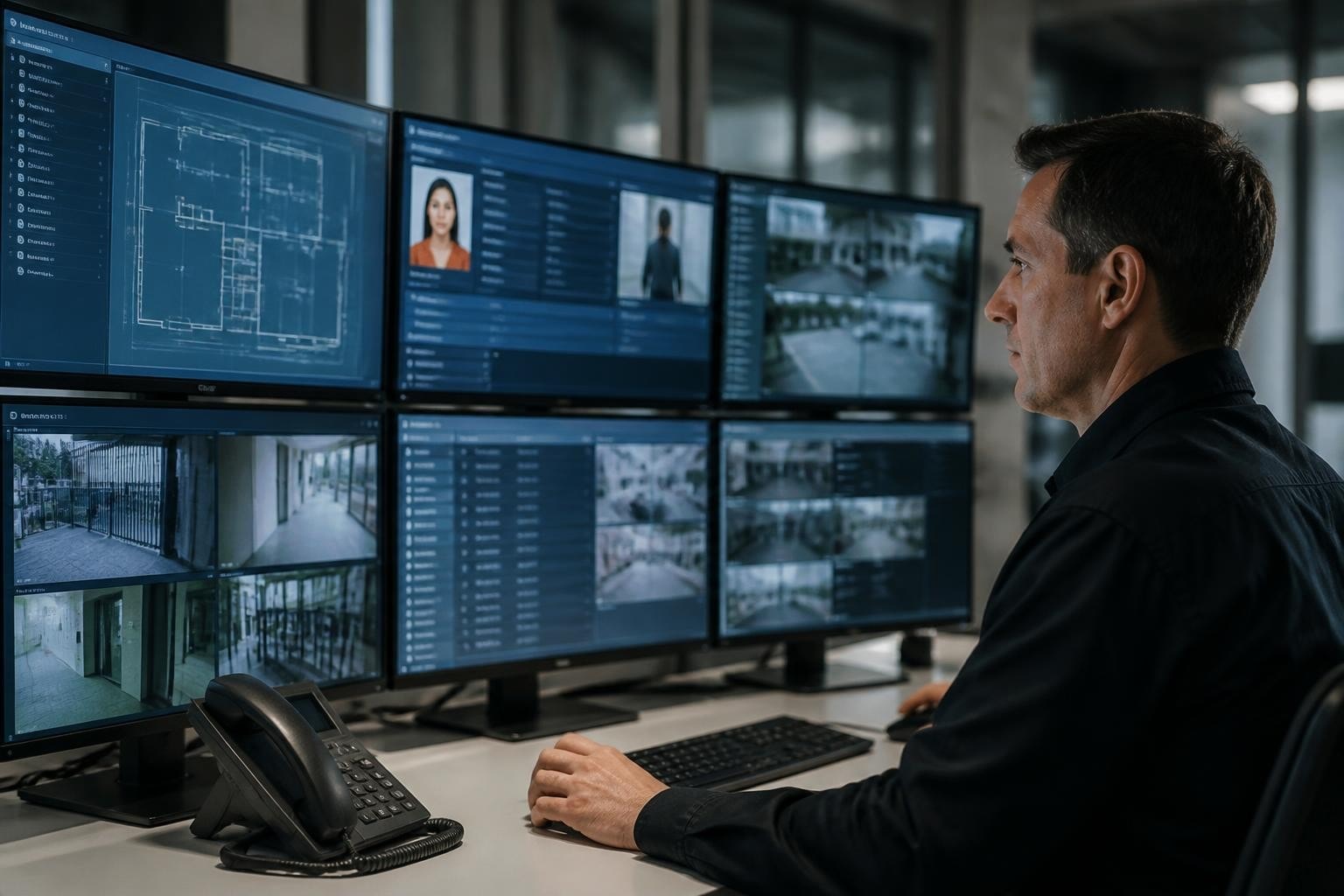
When enterprises and commercial facilities need to control who enters their premises, when they can enter, and which areas they can access, Lenel access control systems have established themselves as a leading solution. Now part of the Carrier portfolio, LenelS2 provides comprehensive access control platforms that scale from single-door installations to enterprise deployments spanning thousands of access points. Understanding how these systems work and what they offer helps security professionals make informed decisions about protecting their facilities.
Lenel access control operates on a foundation of integrated hardware and software components that work together to authenticate users, manage permissions, and monitor facility access in real-time. The platform's architecture supports both on-premises and cloud-based deployments, giving organizations flexibility in how they implement and manage their security infrastructure.
The OnGuard platform from LenelS2 serves as the core access control system for most Lenel deployments. This software suite manages cardholder databases, access privileges, door hardware, and security events through a unified interface. System administrators can configure access schedules, define security levels, and generate compliance reports from a central management console.
Key architectural components include:
The platform processes credential presentations at doors, compares them against permission rules, and decides whether to grant or deny access within milliseconds. Every transaction creates an audit trail, providing the documentation required for security investigations and regulatory compliance.
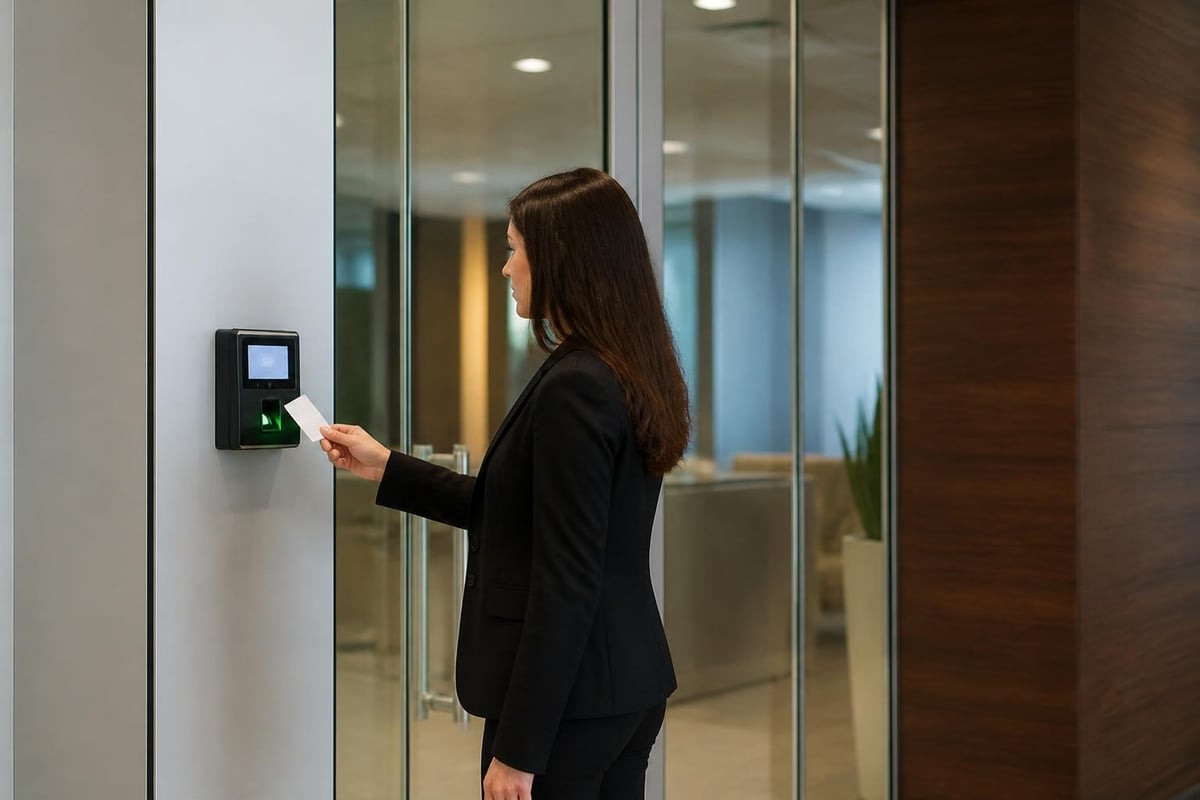
Lenel access control systems support a broad range of hardware from multiple manufacturers through the OpenAccess Alliance partner program. This flexibility allows organizations to select the specific readers, locks, and biometric devices that best match their security requirements and budget constraints.
| Hardware Type | Function | Common Applications |
|---|---|---|
| Card Readers | Credential presentation | Standard office access, parking facilities |
| Biometric Scanners | Fingerprint/facial recognition | High-security zones, data centers |
| Electronic Locks | Physical door control | Interior doors, perimeter entry points |
| Request-to-Exit Sensors | Egress detection | Fire code compliance, traffic monitoring |
| Door Position Switches | Status monitoring | Forced door alarms, propped door alerts |
The system monitors all connected hardware continuously, generating alerts when devices go offline or report unusual conditions. This proactive monitoring helps security teams identify and resolve technical issues before they compromise facility protection.
Modern Lenel access control implementations increasingly leverage cloud technology to reduce infrastructure costs and simplify system management. OnGuard Cloud extends the platform's proven capabilities into hosted environments where Carrier manages the servers, databases, and application updates.
Organizations considering cloud migration benefit from reduced capital expenditure on servers and storage systems. Monthly subscription pricing converts security infrastructure from a capital expense into a predictable operational cost, simplifying budget planning and financial forecasting.
Operational benefits include:
Cloud platforms maintain the same feature set and integration capabilities as on-premises installations. The transition requires careful planning around network bandwidth, internet reliability, and data sovereignty considerations, particularly for organizations operating in regulated industries or multiple countries.
Implementing Lenel access control as part of a comprehensive security program requires attention to industry standards and regulatory frameworks. The NIST ePACS overlay provides detailed guidance on applying information security controls to electronic physical access control systems, mapping specific requirements to implementation practices.
Different industries face specific compliance obligations that access control systems must support. Healthcare facilities implementing Lenel access control need to demonstrate HIPAA-compliant audit trails showing who accessed medication storage and patient record areas. Financial institutions require documentation proving only authorized personnel entered cash handling zones and data processing facilities.
The platform generates compliance reports automatically, extracting access events that meet specified criteria. Security administrators can schedule these reports to run monthly or quarterly, ensuring documentation remains current for regulatory audits.
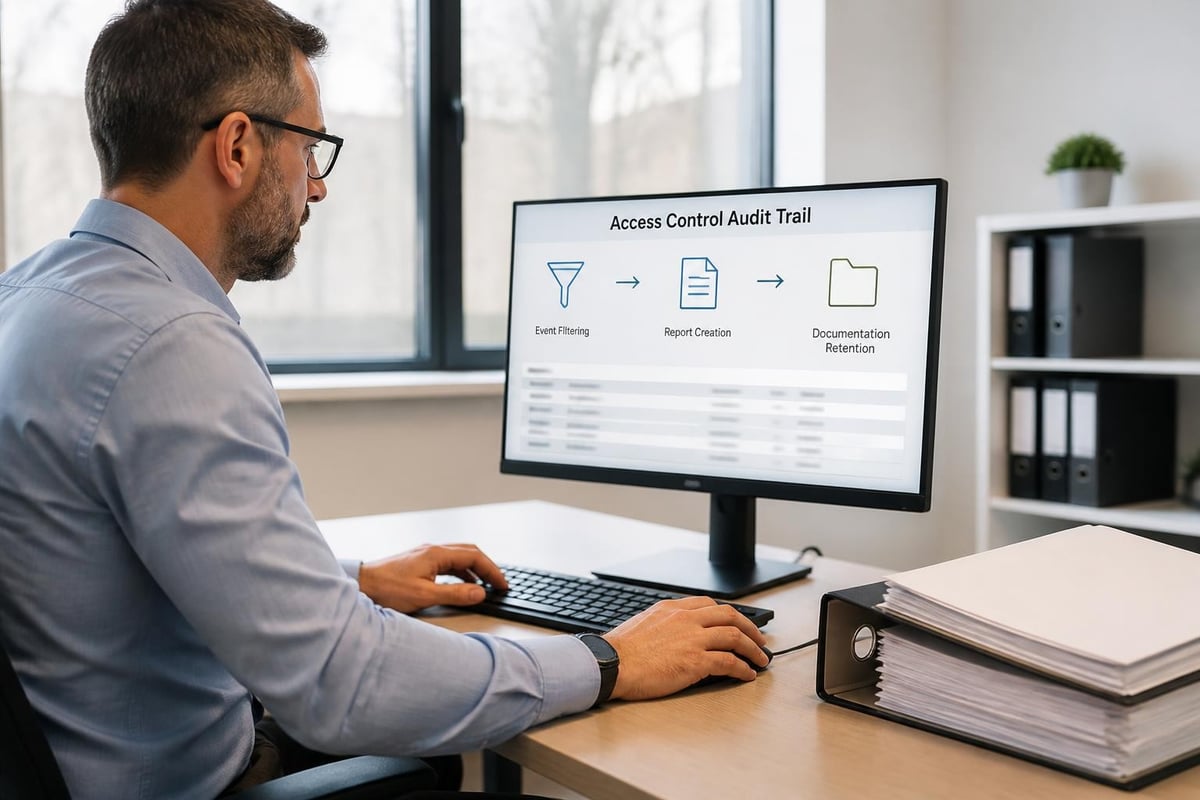
Government facilities and critical infrastructure sites reference CISA security planning guidance when designing layered security programs. These frameworks emphasize defense-in-depth approaches where access control functions as one layer within a broader protective strategy.
The value of Lenel access control extends significantly when integrated with complementary security technologies. Video surveillance systems connected to access control platforms automatically associate camera footage with credential presentations, creating visual verification of who entered when and where.
When an access event occurs, the system can trigger specific cameras to record, bookmark the footage, and link it to the cardholder's database record. Security personnel investigating incidents retrieve both the access log entry and the corresponding video clip from a single search interface, dramatically reducing investigation time.
Integration workflows enable:
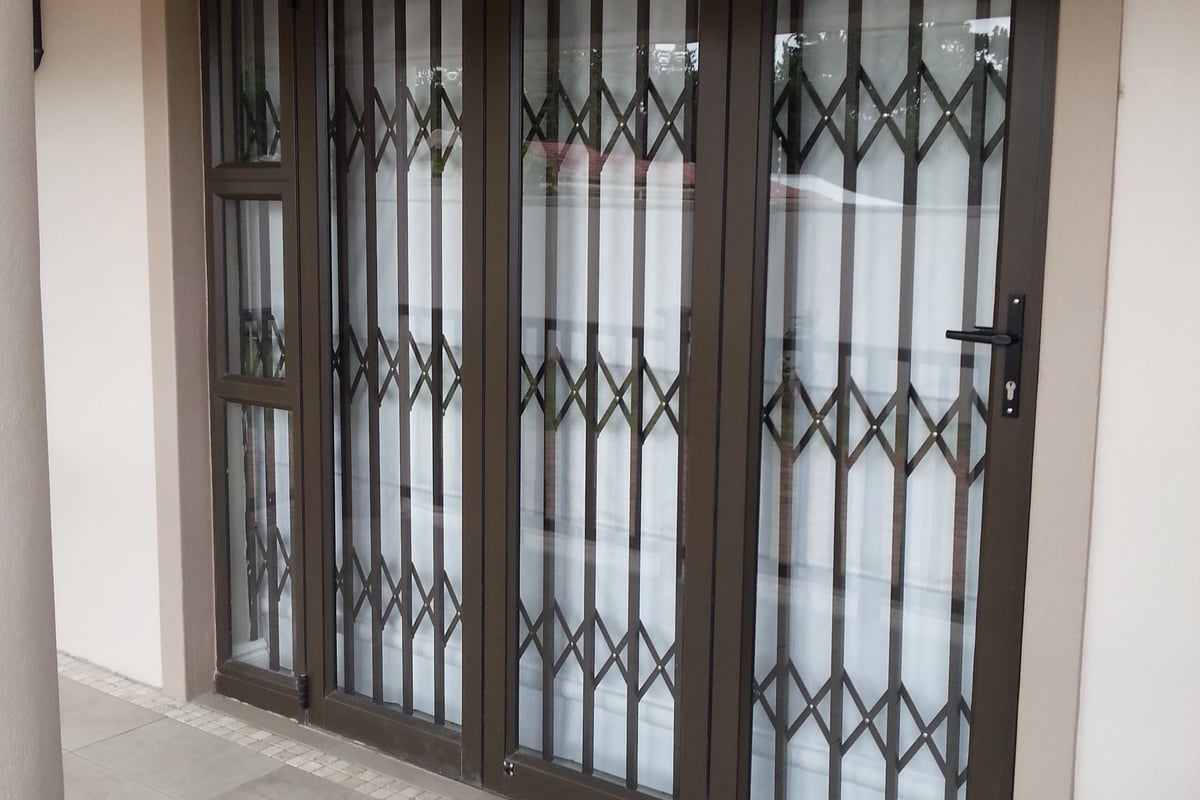
While Lenel access control manages credential authorization and door control, physical barriers like security gates and burglar guards provide the final layer of intrusion resistance. Organizations enhance their overall security posture by combining electronic access control with robust physical security installations. High-quality burglar guards prevent unauthorized entry even if electronic systems are compromised, creating redundant protection layers that significantly increase facility security.
Modern Lenel access control implementations coordinate with intrusion detection systems to create intelligent armed/disarmed zones. When authorized personnel access a facility during off-hours, the system can automatically disarm specific alarm zones while maintaining protection in other areas.
This coordination prevents false alarms while ensuring continuous protection. The access control platform communicates with the intrusion system in real-time, exchanging status information and coordinating response protocols when security breaches occur.
Lenel access control supports multiple credential technologies, allowing organizations to select authentication methods that balance security requirements with user convenience and deployment costs. Each technology offers distinct advantages depending on the threat environment and operational context.
| Technology | Security Level | Cost | Use Cases |
|---|---|---|---|
| Proximity Cards | Basic | Low | General employee access, parking |
| Smart Cards | High | Medium | Government facilities, secure zones |
| Mobile Credentials | Medium-High | Low | Modern workplaces, visitor management |
| Biometrics | Very High | High | Data centers, pharmaceutical manufacturing |
| Multi-Factor | Maximum | Medium-High | Critical infrastructure, defense installations |
Mobile credentialing represents the fastest-growing category, with smartphones replacing physical cards for many applications. Employees download secure applications that store encrypted credentials, presenting them to Bluetooth-enabled readers as they approach doors. This approach eliminates card replacement costs and enables instant provisioning for new hires or visitors.
Enterprise organizations require Lenel access control systems that maintain performance as deployments grow from dozens to thousands of doors. The platform's distributed architecture allows processing to occur at edge devices, reducing network traffic and ensuring doors continue operating even during communication disruptions.
Organizations with facilities distributed across cities, regions, or countries manage all locations from centralized interfaces. System administrators configure access policies at headquarters, then deploy them automatically to branch offices and remote sites. According to industry reporting on OnGuard capabilities, the platform's cloud evolution has simplified multi-site management considerably, reducing the technical complexity of maintaining distributed deployments.
Scalability features include:
Large deployments implement redundant servers and network paths to eliminate single points of failure. Mission-critical facilities cannot afford access control downtime, so architectural planning incorporates backup systems that activate automatically when primary components fail.
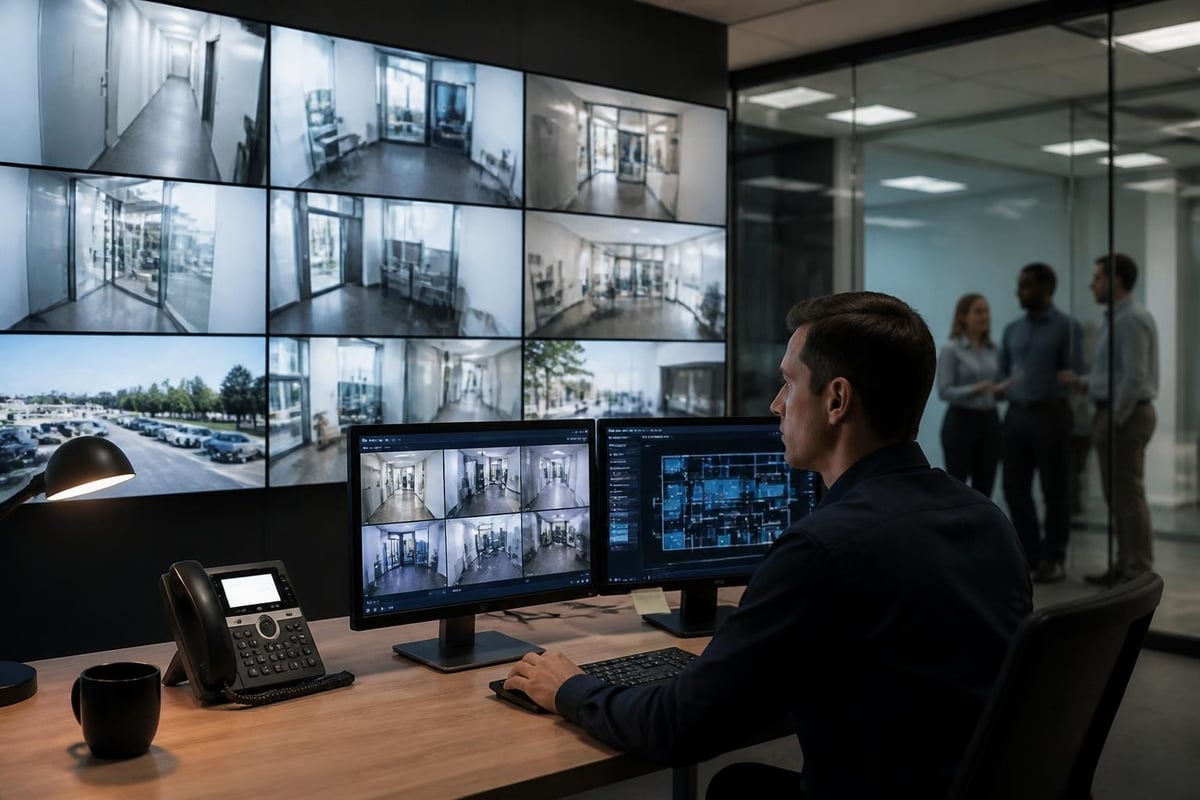
Beyond basic access control functions, Lenel systems offer sophisticated capabilities that address complex security scenarios and operational requirements. These advanced features differentiate enterprise platforms from basic door control systems.
Anti-passback rules prevent credential sharing by tracking when cardholders enter and exit specific zones. If the system detects a credential presented for entry without a corresponding exit event, it denies access and alerts security personnel to potential tailgating or card sharing.
Mustering features account for personnel during emergencies by tracking who is inside buildings or zones at any moment. When fire alarms activate, the system generates lists showing which employees remain inside, helping emergency responders locate everyone safely.
Operational capabilities include:
The platform supports role-based administration where different operators have permission to manage specific doors, cardholders, or system functions. This granular control ensures personnel can perform their responsibilities without accessing sensitive configuration settings or security data beyond their authorization level.
Successful Lenel access control deployments require careful planning around organizational requirements, technical infrastructure, and operational procedures. Carrier’s positioning of Lenel within its broader building systems portfolio emphasizes integration between security, HVAC, and facility management platforms.
Organizations beginning access control projects should inventory existing security infrastructure, document current access procedures, and identify specific pain points the new system needs to address. This assessment phase reveals integration opportunities, hardware compatibility requirements, and training needs.
Implementation phases typically include:
Budget planning accounts for both capital costs (hardware, software licenses, installation labor) and ongoing expenses (maintenance contracts, software subscriptions, badge materials). Organizations should expect 15-20% of initial system cost as annual maintenance investment to ensure optimal performance and security.
Lenel access control systems deliver value only when security personnel understand how to operate them effectively. Comprehensive training programs cover system administration, cardholder management, event monitoring, and troubleshooting procedures.
Different user roles require different knowledge levels. Security officers monitoring access events need training on alarm response procedures and event investigation workflows. System administrators require deeper technical knowledge covering database management, hardware configuration, and integration maintenance.
Organizations should establish documentation repositories containing system diagrams, configuration settings, and standard operating procedures. When personnel changes occur, this documentation enables knowledge transfer and ensures operational continuity.
Regular system reviews identify opportunities for optimization. As organizational needs evolve, access policies may require adjustment, hardware might need upgrading, and new integration opportunities could emerge. Quarterly reviews keep systems aligned with current security requirements and leverage new platform capabilities as they become available.
Lenel access control systems provide enterprise-grade security through scalable platforms that manage credentials, control physical access, and integrate with complementary technologies. Whether deployed on-premises or in the cloud, these solutions deliver the monitoring, compliance, and operational efficiency modern organizations require. For South African businesses seeking comprehensive security solutions that combine electronic access control with robust physical barriers, Limax Security Specialists delivers expert installation and integration services tailored to your unique requirements.


