
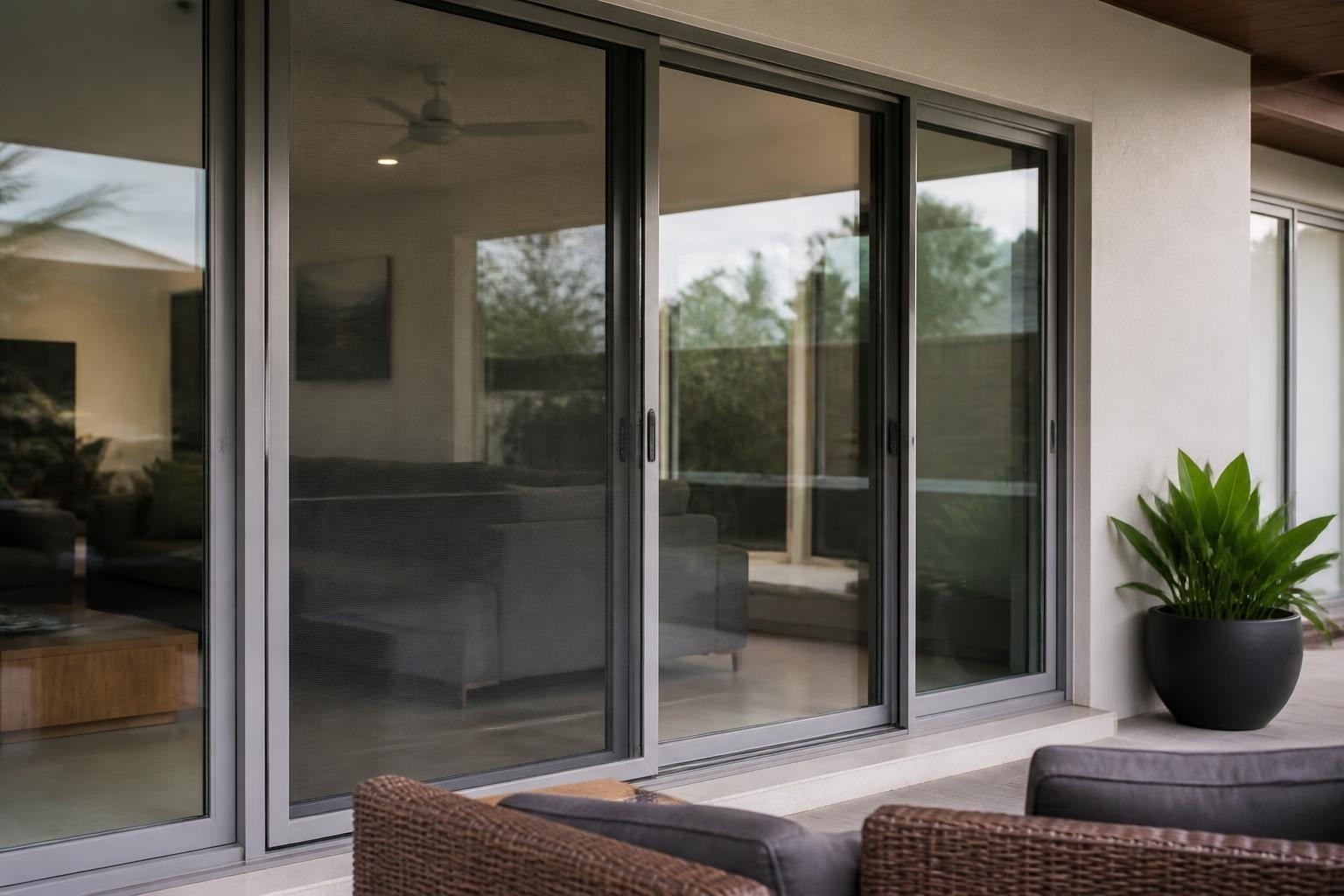
Property owners across South Africa are increasingly turning to advanced security solutions that balance protection with livability. Stainless steel security screens have emerged as a sophisticated alternative to traditional burglar bars, offering robust forced-entry resistance while preserving views, airflow, and architectural aesthetics. Unlike conventional bars that can make a home feel like a fortress, these mesh-based systems deliver peace of mind without compromising comfort or natural light. For residential and commercial properties alike, understanding the technology, materials, and installation considerations behind these screens is essential for making an informed investment in long-term security.
Stainless steel security screens rely on tightly woven or welded mesh constructed from corrosion-resistant alloys. The mesh typically features wire diameters between 0.6 mm and 1.2 mm, with aperture sizes ranging from 1 mm to 2 mm. This configuration creates a barrier strong enough to resist cutting, prying, and impact while maintaining excellent visibility and airflow.
The frames that support these meshes are usually manufactured from powder-coated aluminium, chosen for its strength-to-weight ratio and resistance to corrosion. High-quality installations incorporate concealed fasteners and reinforced mounting points to prevent forced removal. The mesh itself is tensioned during installation to eliminate sagging and maintain structural integrity over decades of service.
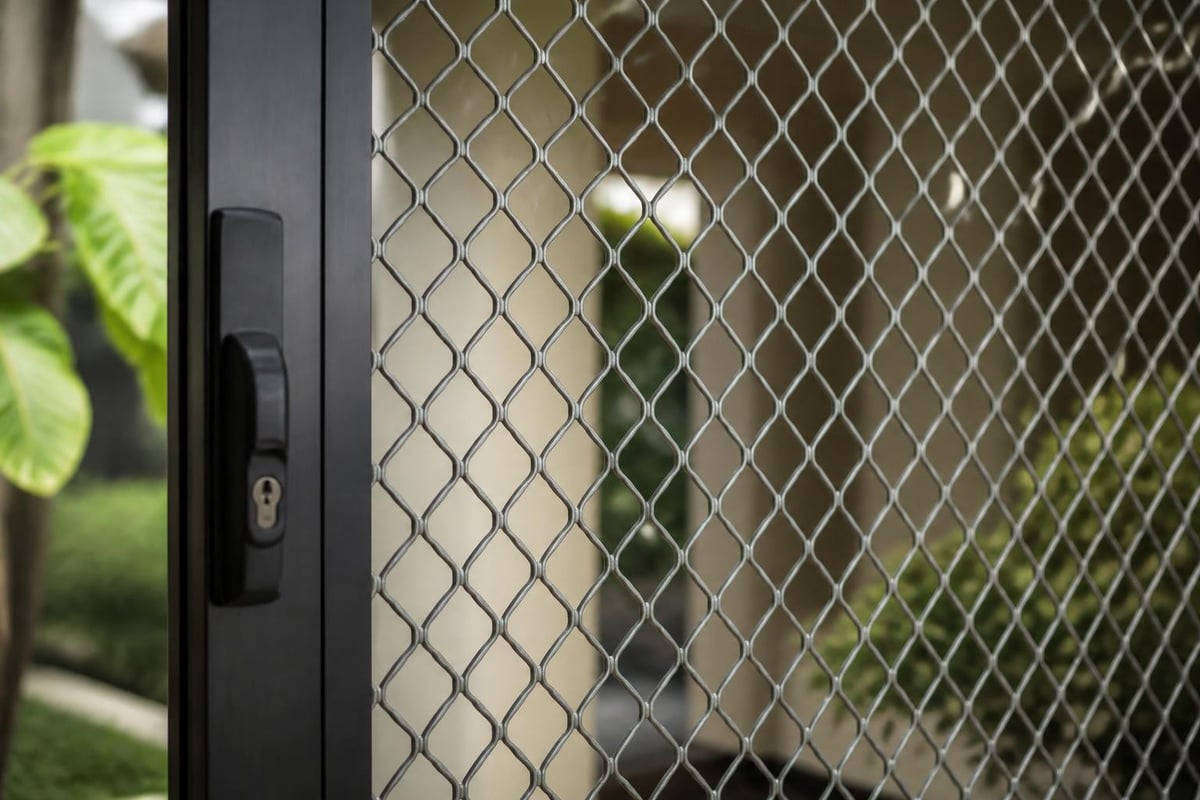
Not all stainless steel offers equal performance in security applications. The two primary grades used in security screens are 304 and 316 stainless steel, each with distinct properties suited to different environments.
Grade 304 characteristics:
Grade 316 characteristics:
The British Stainless Steel Association provides detailed guidance on selecting appropriate grades for seawater and coastal applications, emphasizing the importance of molybdenum content in preventing pitting corrosion. For South African coastal properties from Durban to Cape Town, this specification difference translates to decades of maintenance-free service versus premature failure.
| Grade | Chromium | Nickel | Molybdenum | Best Application | Coastal Suitability |
|---|---|---|---|---|---|
| 304 | 18% | 8% | 0% | Inland residential | Not recommended |
| 316 | 16% | 10% | 2% | Coastal/marine | Excellent |
| 316L | 16% | 10% | 2% | Welded applications | Excellent |
Professional-grade stainless steel security screens undergo rigorous testing to verify their resistance to forced entry, impact, and environmental stress. While South Africa does not yet have comprehensive local standards for security screens, international benchmarks provide valuable reference points for quality evaluation.
Australia has developed the most comprehensive certification system for security screens through Standards AS 5039, AS 5040, and AS 5041. These protocols test mesh strength, frame integrity, fastener resistance, and overall system performance against simulated intrusion attempts. The National Security Screen Association offers consumer guidance on what to verify when purchasing certified products, including proper labelling and installation requirements.
In regions prone to severe weather, security screens must withstand not only intrusion attempts but also extreme wind loads and flying debris. The Miami-Dade County testing protocols, administered through their product approval system, subject screens to simulated hurricane conditions including cyclic pressure testing and large missile impact. These TAS 201, 202, and 203 protocols ensure screens maintain integrity during category 5 hurricane conditions.
The Florida Hurricane Retrofit Guide explains how debris impact standards protect window and door openings during severe weather events, principles equally applicable to security applications where screens must resist sustained attack without catastrophic failure.
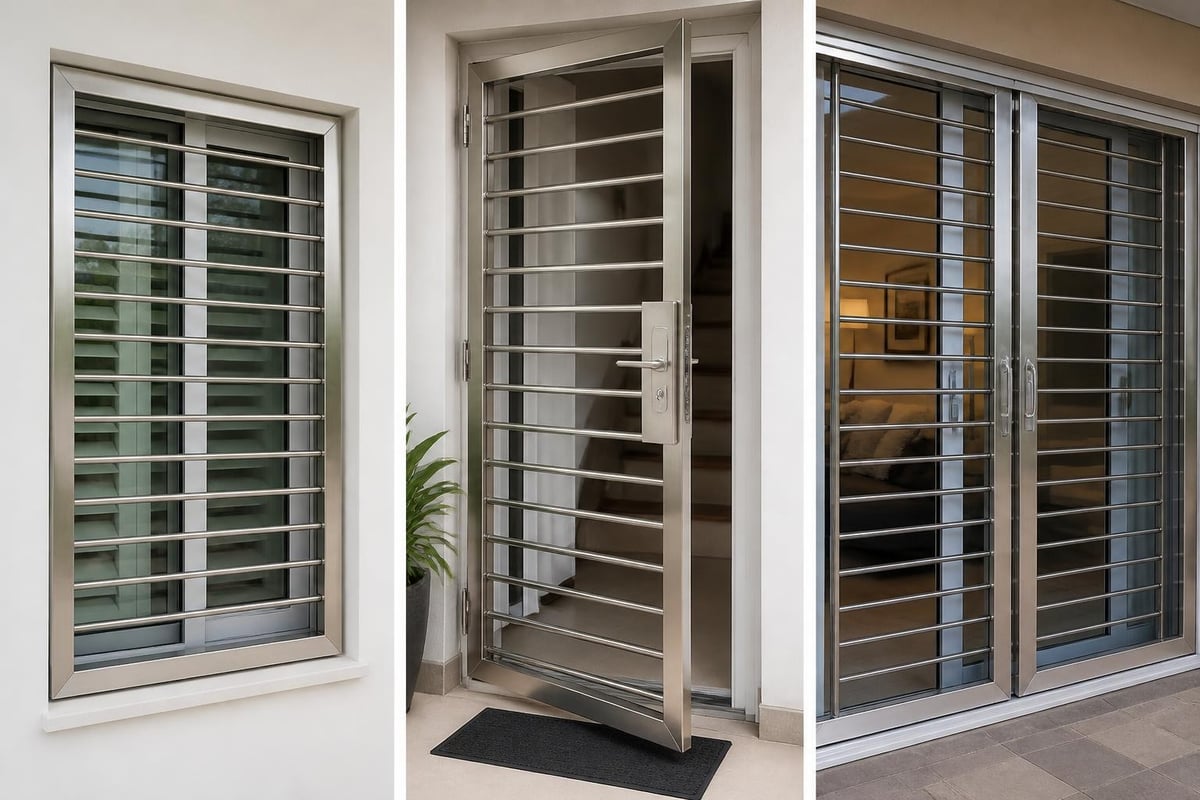
Stainless steel security screens adapt to various architectural requirements through multiple design configurations. Each option balances security performance with specific functional needs and aesthetic preferences.
Fixed panel installations permanently mount the mesh over windows or ventilation openings. These deliver maximum security with minimal maintenance but prevent external window cleaning and emergency egress. They work best for high-level windows, bathroom openings, and commercial applications where access is not required.
Hinged security doors swing open like conventional doors while providing the same mesh protection. These units typically feature multi-point locking systems with three to seven lock points distributed along the frame perimeter. The locking mechanism engages into reinforced strike plates anchored deep into the door frame, resisting both prying and kick-in attacks.
Sliding screen doors run on tracks similar to patio doors, offering convenient access while maintaining security when closed. Quality sliding systems incorporate anti-lift plates that prevent the panel from being forced upward out of the track, a common vulnerability in standard sliding doors.
The frame supporting the stainless steel mesh plays a crucial role in overall system performance. Aluminium dominates the market due to its favorable properties:
Some manufacturers offer timber or steel frames for specific applications, though these require more maintenance and add considerable weight to the installation. For most residential and commercial applications, powder-coated aluminium with reinforced corners represents the optimal balance of performance, aesthetics, and value.
Proper installation is as critical as product quality when it comes to security screen performance. Even the highest-grade mesh and frame will fail if mounting points are inadequate or installation procedures are compromised.
Before installation, professionals assess the structural capacity of the mounting surface. Brick, concrete, and solid timber frames provide ideal anchoring points. Hollow-core frames, lightweight cladding, or deteriorated masonry require remedial work before screens can be safely installed.
Critical mounting specifications:
The anchoring system must resist pull-out forces exceeding 1000 N per fixing point. This specification ensures the screen remains secured even when attackers use pry bars or leverage against the frame.
Security screens must not compromise emergency egress requirements specified in building codes. Bedrooms and habitable rooms require at least one openable window or door that can be operated from inside without tools or keys. Security professionals balance this requirement by:
Fire safety regulations also influence screen placement, particularly in commercial settings where emergency exits must remain unobstructed and clearly marked.
The security performance of stainless steel screens directly correlates to mesh specifications including wire diameter, aperture size, and weave pattern. Understanding these technical parameters helps property owners evaluate competing products and match screen specifications to security requirements.
How wire diameter, aperture size, and weave pattern in stainless steel security mesh determine cutting resistance, impact strength, and overall forced-entry protection levels
Heavier wire diameters provide greater cutting resistance and impact strength. Most security-grade mesh uses wire between 0.8 mm and 1.2 mm diameter. Manufacturers sometimes reference specifications similar to ASTM A740 standards for hardware cloth, which define requirements for woven and welded wire fabric used in screening applications.
Performance by wire diameter:
| Wire Diameter | Cutting Resistance | Typical Application | Cost Factor |
|---|---|---|---|
| 0.6 mm | Low | Insect screening only | Baseline |
| 0.8 mm | Moderate | Light security | +25% |
| 1.0 mm | High | Residential security | +45% |
| 1.2 mm | Very High | Commercial/high-risk | +70% |
Thicker wire also increases the visual appearance of the mesh. While 0.8 mm wire remains nearly invisible at normal viewing distances, 1.2 mm wire becomes more noticeable, potentially affecting aesthetic considerations for heritage properties or design-sensitive applications.
Aperture size, the opening between wires, balances visibility with security. Smaller apertures improve cutting resistance by providing more wire surface to attack, but reduce airflow and slightly diminish view clarity. Most security screens specify apertures between 1.5 mm and 2.0 mm as the optimal compromise.
Testing has shown that apertures below 2 mm significantly increase the time required to cut through mesh with hand tools, often deterring attackers who seek quick entry. The psychological effect of visible wire mesh also contributes to deterrence, signaling to potential intruders that the property has invested in serious security measures.
One of the compelling advantages of stainless steel security screens is their minimal maintenance requirement compared to alternatives like burglar bars or mild steel grilles. The inherent corrosion resistance of stainless steel, particularly grade 316 in coastal applications, means these installations can provide decades of service with basic care.
Monthly tasks:
Quarterly tasks:
Annual professional inspection:
Coastal properties require more frequent cleaning to prevent salt accumulation, which can accelerate corrosion even on grade 316 stainless steel. Properties within 500 meters of breaking surf should rinse screens weekly during windy conditions when salt spray is most prevalent.
Stainless steel security screens represent a significant upfront investment compared to basic burglar bars or security gates. However, the total cost of ownership calculation reveals compelling value when factors beyond initial purchase price are considered.
A typical residential installation covering three windows and one door opening might cost between R15,000 and R35,000 depending on mesh grade, frame specifications, and installation complexity. Commercial applications with larger openings and higher security requirements can exceed R100,000 for comprehensive coverage.
Long-term value factors:
When these factors are incorporated into whole-of-life cost analysis, stainless steel security screens often deliver superior value compared to cheaper alternatives that require ongoing maintenance, periodic replacement, and fail to provide equivalent security performance.
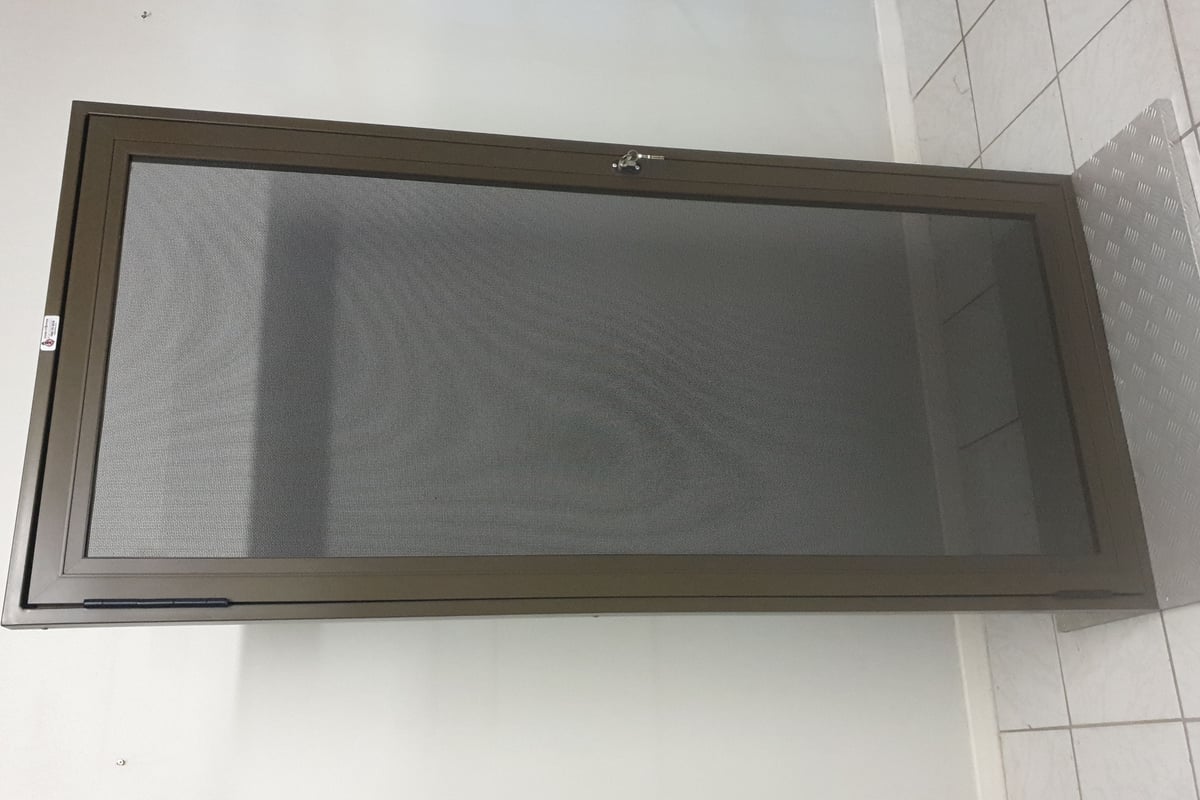
Clear Shield Security Screens from Limax combine high-strength stainless steel mesh with sleek aluminium frames to deliver exactly this balance of protection, visibility, and long-term value. Available in both sliding and hinged configurations, these screens protect South African homes from intrusion, insects, and weather while maintaining the open, livable feeling that makes a house a home.
The sustainability profile of stainless steel security screens extends beyond their extended service life. Material selection, manufacturing processes, and end-of-life recyclability all contribute to the environmental impact of these products.
Stainless steel ranks among the most recycled materials globally, with recycling rates exceeding 90% in many markets. The chromium and nickel content that provides corrosion resistance also makes scrap stainless steel valuable for reprocessing. At end of service life, security screens can be dismantled and the components separated for recycling, with the aluminium frame and stainless mesh both entering established recycling streams.
The Association for Materials Protection and Performance (formerly NACE and SSPC) provides extensive resources on materials selection for corrosion resistance, helping specifiers choose appropriate grades that maximize service life while minimizing environmental impact through premature replacement. Their guidance on stainless steel selection for marine environments proves particularly valuable for coastal installations.
Manufacturing processes for quality security screens increasingly incorporate recycled content, with some manufacturers using 60% or more recycled stainless steel in their mesh production. Powder coating of aluminium frames eliminates VOC emissions associated with liquid paint systems, contributing to cleaner manufacturing and indoor air quality post-installation.
Beyond material sustainability, stainless steel security screens contribute to building energy performance through passive design principles. By enabling windows and doors to remain open safely during moderate weather, these screens facilitate natural ventilation that reduces reliance on mechanical cooling.
South African homes with security screens report reduced air conditioning usage during shoulder seasons when overnight temperatures allow for effective natural ventilation but security concerns previously mandated closed and locked openings. This passive cooling can reduce cooling energy consumption by 15-30% in appropriate climates, delivering ongoing operational cost savings alongside security benefits.
While stainless steel security screens provide robust physical security, they function most effectively as part of a layered security approach. Integration with electronic security systems, perimeter protection, and security lighting creates overlapping defensive measures that significantly reduce successful intrusion attempts.
Modern security screens can incorporate sensors that detect cutting attempts, frame tampering, or forced opening. These sensors integrate with alarm systems to provide immediate notification of security breaches. Some advanced installations use vibration sensors that distinguish between routine impacts (birds, debris) and deliberate attack patterns.
Layered security integration strategies:
This comprehensive approach recognizes that no single security measure provides absolute protection. Instead, multiple overlapping systems increase the time, noise, and effort required for successful intrusion, typically causing opportunistic criminals to abandon attempts and move to softer targets.
Stainless steel security screens deliver a sophisticated security solution that protects property without sacrificing comfort, views, or architectural aesthetics. Understanding material grades, installation requirements, and performance specifications ensures your investment provides decades of reliable service. Whether you're securing a coastal home, commercial property, or inland residence, Limax Security Specialists brings expert knowledge and professional installation to help you choose and install the right security screens for your unique requirements.


