
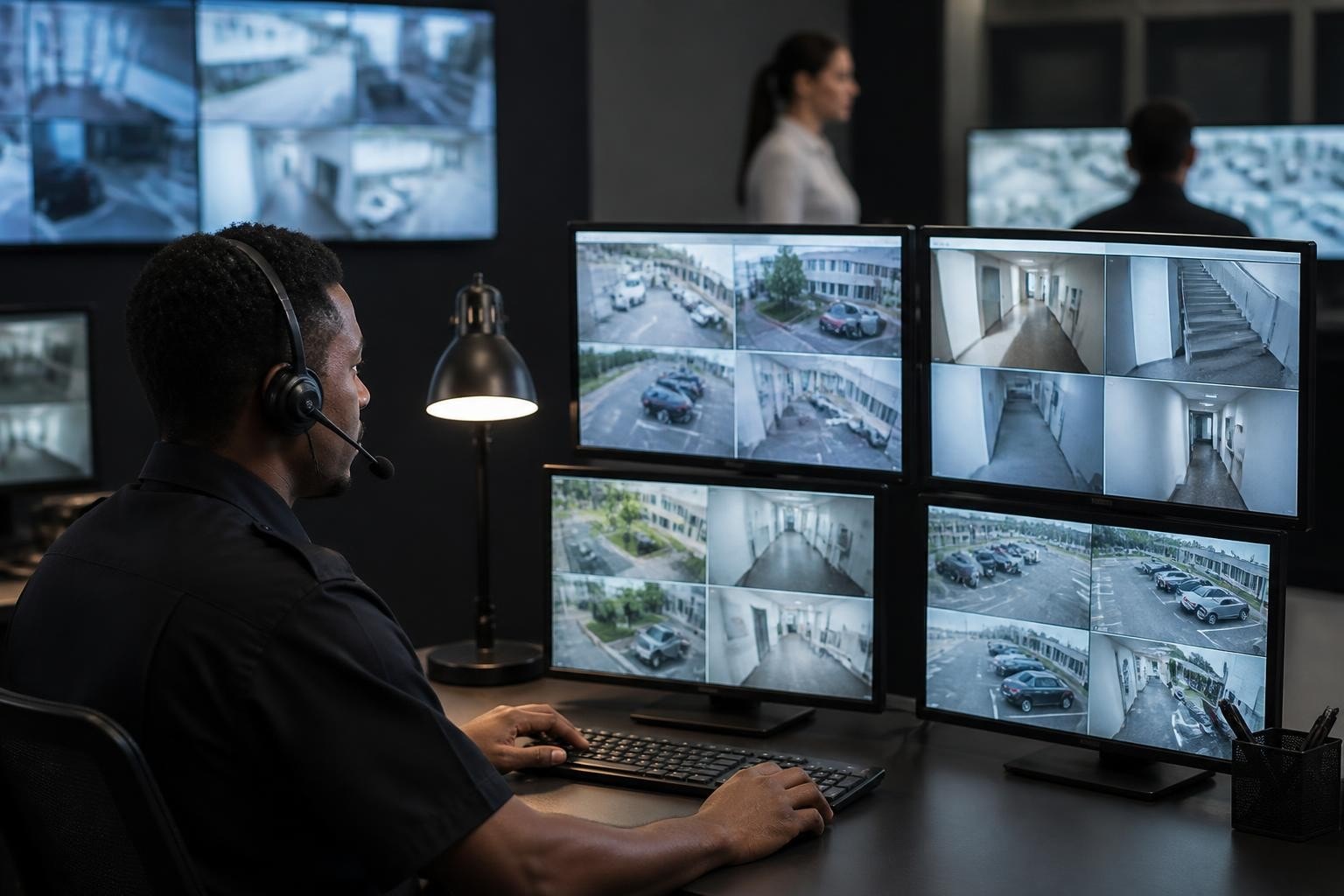
Property owners across South Africa and worldwide face an evolving landscape of security threats that demand more than passive surveillance. While installing cameras provides valuable documentation, a security camera monitoring service transforms those devices into an active defense system. Professional monitoring adds human oversight and rapid response capabilities that standalone camera systems simply cannot match. This comprehensive guide examines how these services work, what they cost, and how to select the right solution for residential or commercial properties.
A security camera monitoring service connects your surveillance cameras to a professional monitoring center staffed 24/7 by trained operators. Unlike traditional alarm monitoring, these services provide visual verification of threats in real-time.
When motion is detected or an alarm is triggered, operators immediately view live footage to assess the situation. They distinguish between false alarms-such as pets or wind-blown debris-and genuine security threats. This visual confirmation enables faster, more accurate responses than audio-only alarm systems.
Modern security camera monitoring service platforms integrate several technologies:
The monitoring center serves as the command hub, receiving alerts, verifying threats, and coordinating responses. Operators follow detailed protocols based on what they observe, from issuing warnings through speakers to dispatching security personnel or contacting authorities.
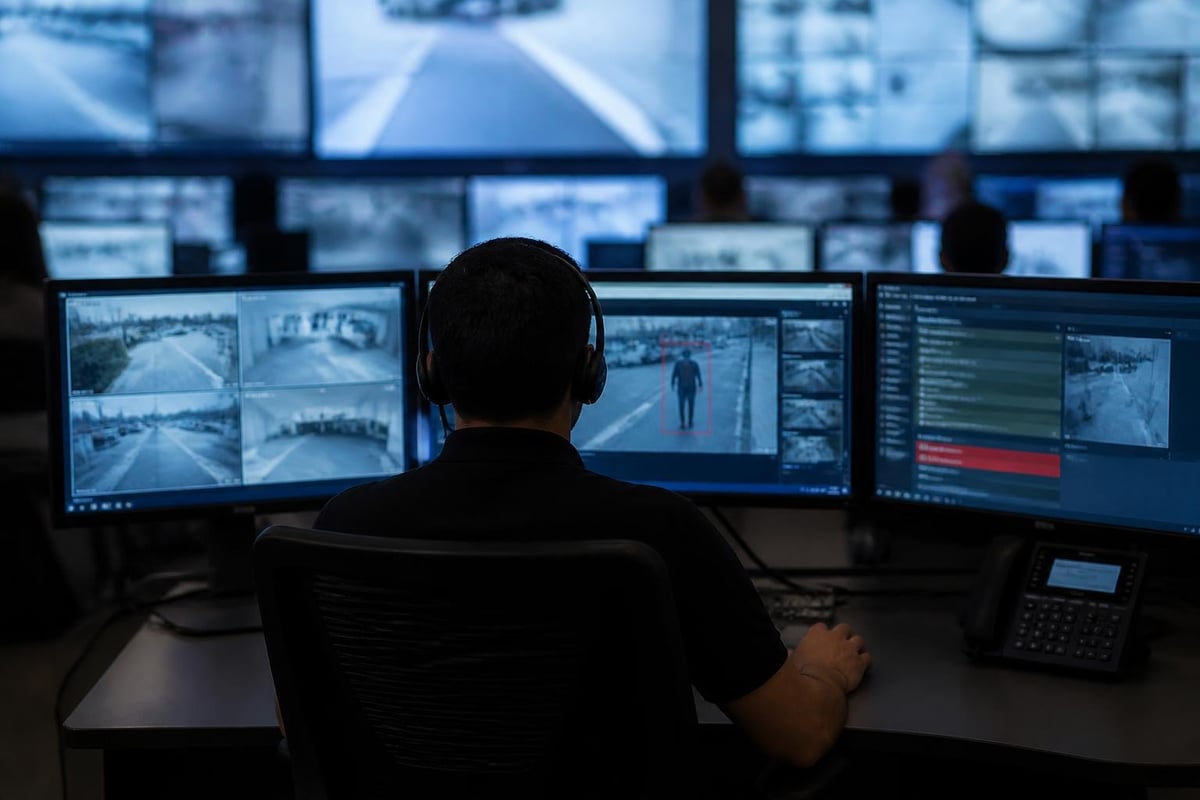
Security camera monitoring service providers offer several distinct approaches, each with different capabilities and price points.
The most comprehensive option involves operators actively watching your camera feeds during specified hours or around the clock. This proactive approach catches threats before they escalate but represents the highest cost tier.
Continuous monitoring works best for high-value commercial properties, critical infrastructure, or locations with elevated risk profiles. Operators can spot suspicious behavior patterns and intervene before crimes occur.
More common for residential and small business applications, alert-based monitoring activates only when cameras detect motion, recognize faces, or receive alarm triggers. Operators review footage within seconds to determine appropriate action.
This model balances cost with protection, focusing human attention on potential incidents rather than quiet periods. Securing your home security cameras with proper passwords and network protection ensures that alert-based systems function reliably without false alarms.
| Monitoring Type | Response Time | Best For | Typical Cost |
|---|---|---|---|
| Live Continuous | Immediate | High-risk commercial, critical sites | R5,000-R15,000/month |
| Alert-Based | 10-30 seconds | Residential, small business | R800-R2,500/month |
| Self-Monitoring | Variable | Tech-savvy homeowners | R0-R500/month |
| Hybrid | Context-dependent | Medium-sized businesses | R2,000-R5,000/month |
Some providers offer self-monitoring apps with optional professional escalation. Property owners receive alerts first and can request monitoring center assistance when needed. This flexible approach reduces monthly costs while maintaining access to professional help.
A professional security camera monitoring service delivers value that extends well beyond simple video recording.
Rapid threat verification eliminates the guesswork and delay inherent in traditional alarm systems. When authorities receive calls backed by visual confirmation of a crime in progress, response priority increases significantly. Law enforcement treats verified incidents more seriously than unverified alarm triggers.
Liability protection matters for commercial properties. Monitored cameras document incidents with third-party oversight, creating credible evidence for insurance claims and legal proceedings. The monitoring center's logs provide timestamps and operator notes that support property owner accounts.
Deterrence multiplier occurs when properties display signage indicating professional monitoring. Criminals understand that monitored sites mean immediate detection and faster police response, often choosing easier targets instead.
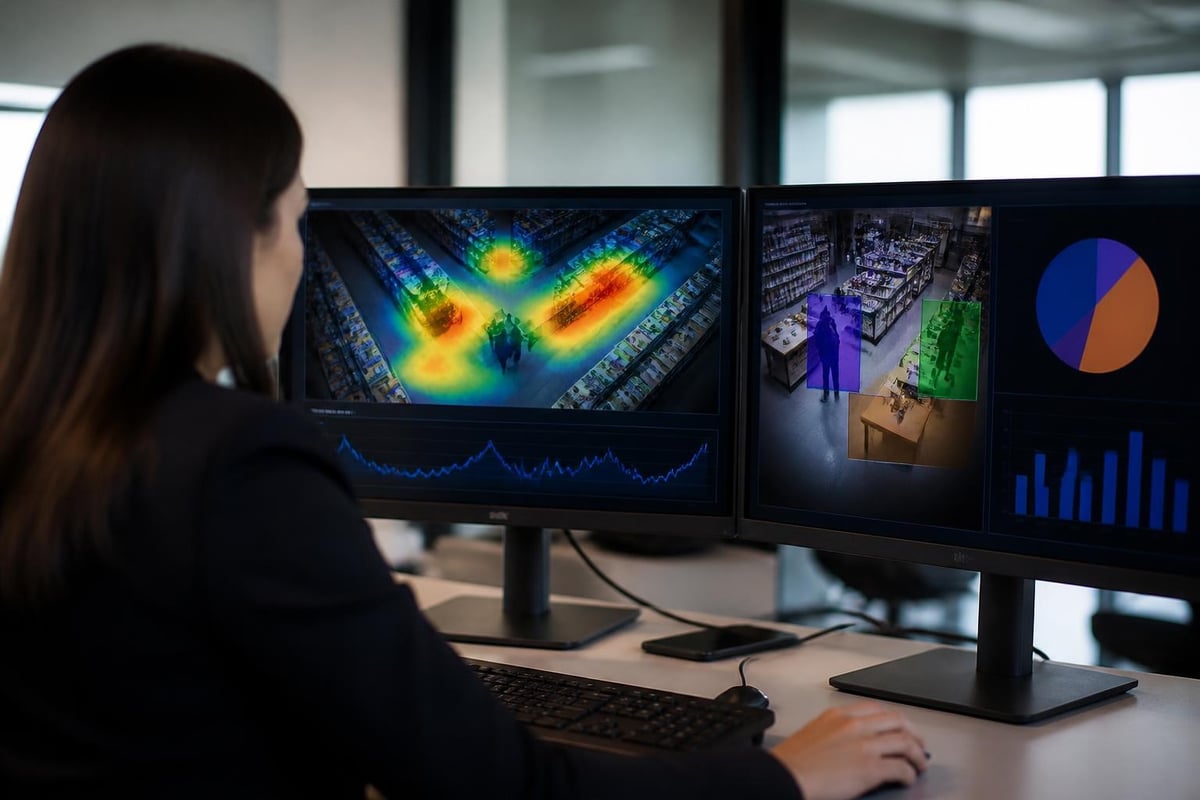
Modern security camera monitoring service platforms generate valuable insights beyond security events. Analytics reveal:
Commercial property managers use this intelligence to optimize staffing, improve customer experience, and identify operational inefficiencies. The same cameras protecting against theft also document legitimate business activities.
Not all security camera monitoring service companies deliver equivalent quality or capabilities. Several factors distinguish exceptional providers from mediocre ones.
Reputable monitoring centers hold industry certifications that verify their procedures, training, and reliability. Look for facilities certified to relevant standards and those that undergo regular third-party audits.
CISA guidance on surveillance systems provides frameworks for evaluating security monitoring operations, particularly for critical infrastructure applications. While residential monitoring operates at a different scale, the principles of verified procedures and accountability remain applicable.
Understand exactly what happens when the monitoring center detects a threat. Quality providers maintain relationships with:
Response times vary dramatically based on location and partnership quality. Ask potential providers for specific response time commitments and verify their local connections.
Your security camera monitoring service should work seamlessly with your existing or planned camera infrastructure. Confirm compatibility with:
Proprietary systems that lock you into specific hardware limit flexibility and increase long-term costs. Open-platform providers supporting multiple camera brands offer better value and upgrade paths.
Physical security installations like Monkey proof gates provide crucial perimeter protection that complements monitored camera systems. When integrated properly, physical barriers slow intruders while cameras and monitoring services detect and document the attempt, creating layered defense that maximizes response time for intervention.
Deploying a security camera monitoring service raises important privacy questions that property owners must address thoughtfully.
South African law, like regulations in many jurisdictions, requires informing people when they're being recorded. Clear signage notifying visitors of video surveillance and professional monitoring meets legal obligations while enhancing deterrent value.
Employee monitoring in workplaces demands particular attention. While employers have legitimate security interests, workers retain privacy rights. Transparent policies explaining what areas are monitored, for what purposes, and who accesses footage help balance these interests.
Legal guidance on video surveillance from the U.S. Department of Justice outlines considerations around warrants, minimization, and evidentiary standards. While jurisdiction-specific, these principles inform best practices globally.
Professional monitoring generates vast amounts of video data containing sensitive information. Understanding how your security camera monitoring service handles this data matters:
ENISA implementation guidance addresses security measures for ICT systems including video surveillance, offering frameworks for evaluating provider security practices.
The expansion of monitored surveillance raises societal questions beyond individual property protection. Civil liberties analysis of surveillance technologies examines potential harms from pervasive monitoring and automated surveillance systems.
Property owners can adopt practices that maximize security while respecting privacy:
Understanding the total cost of ownership for a security camera monitoring service prevents budget surprises and enables informed comparisons.
Basic residential monitoring typically starts around R800 monthly for a few cameras with alert-based monitoring. Mid-tier services covering 8-12 cameras with faster response run R1,500-R2,500 monthly. Commercial properties with dozens of cameras and live monitoring can expect R5,000-R15,000 or more monthly.
Volume discounts apply to multi-location businesses. Long-term contracts often reduce monthly fees by 10-20% compared to month-to-month arrangements.
Professional installation of cameras suitable for monitored services ranges from R3,000-R8,000 per camera including labor. High-resolution cameras with advanced analytics capabilities command premium prices.
Many monitoring companies offer bundled packages that include cameras, installation, and monitoring service. While convenient, compare the equipment quality and total cost against purchasing cameras separately and contracting monitoring services independently.
| Cost Component | Residential Range | Commercial Range | Frequency |
|---|---|---|---|
| Monthly monitoring | R800-R2,500 | R3,000-R15,000+ | Monthly |
| Camera equipment | R2,000-R6,000 each | R3,000-R12,000 each | One-time |
| Professional installation | R3,000-R8,000 | R8,000-R25,000+ | One-time |
| Cloud storage (optional) | R150-R500 | R500-R3,000 | Monthly |
| Service calls/maintenance | R800-R1,500 | R1,500-R5,000 | As needed |
Read contracts carefully for provisions that increase costs over time:
Some providers subsidize equipment costs through long-term monitoring contracts. Breaking these agreements early can trigger substantial buyout fees for cameras and installation.
Maximizing value from your security camera monitoring service requires ongoing attention to system health and configuration.
Camera positioning dramatically affects monitoring effectiveness. Research on optimizing video technology in criminal justice contexts reveals principles applicable to private security:
Work with monitoring center operators to test camera angles and ensure footage quality meets their verification needs. Poor image quality defeats the purpose of professional monitoring.
Reliable monitoring demands stable network connectivity. Calculate bandwidth requirements based on:
A single 1080p camera streaming at 30fps typically requires 2-4 Mbps upload bandwidth. Four such cameras need 8-16 Mbps, exceeding many basic internet plans. Insufficient bandwidth causes lag, disconnections, and missed alerts.
Schedule quarterly tests of your security camera monitoring service end-to-end:
Monitoring centers can only respond to what they can see. Degraded image quality, dead cameras, or network issues create blind spots that undermine your investment.
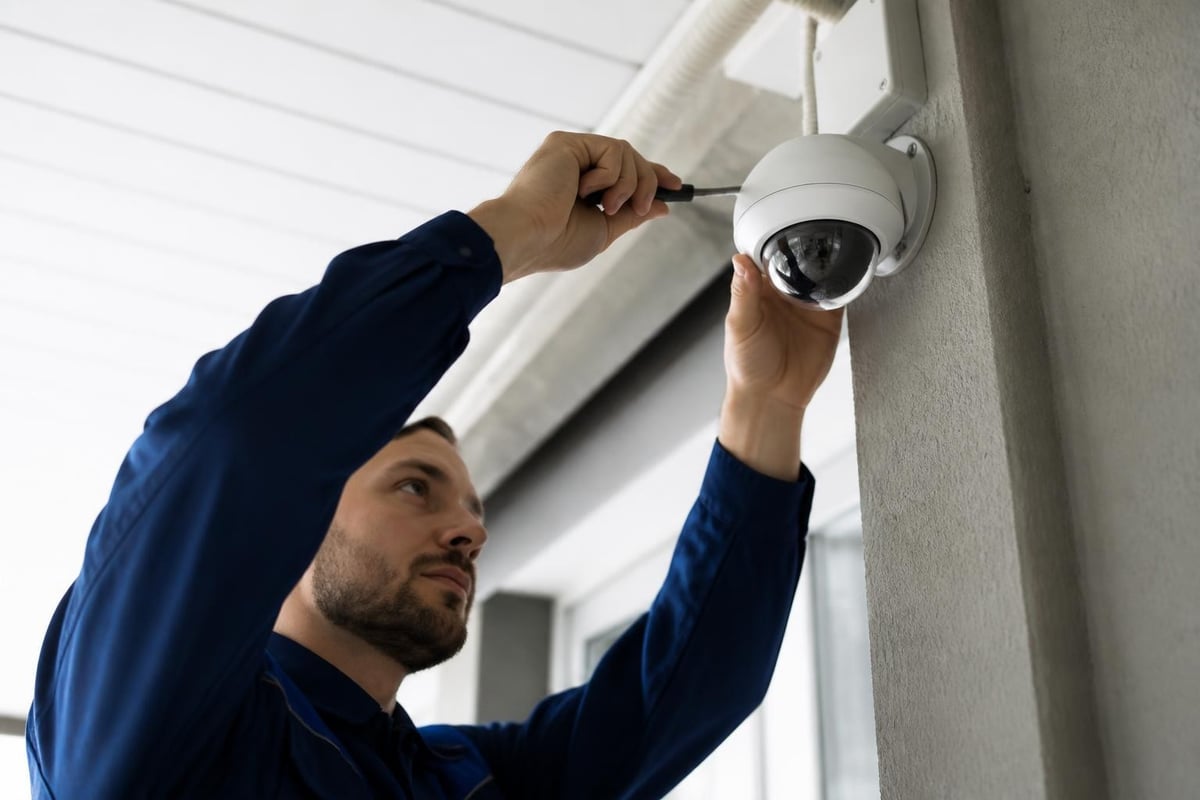
A security camera monitoring service functions most effectively as part of a layered security approach rather than a standalone solution.
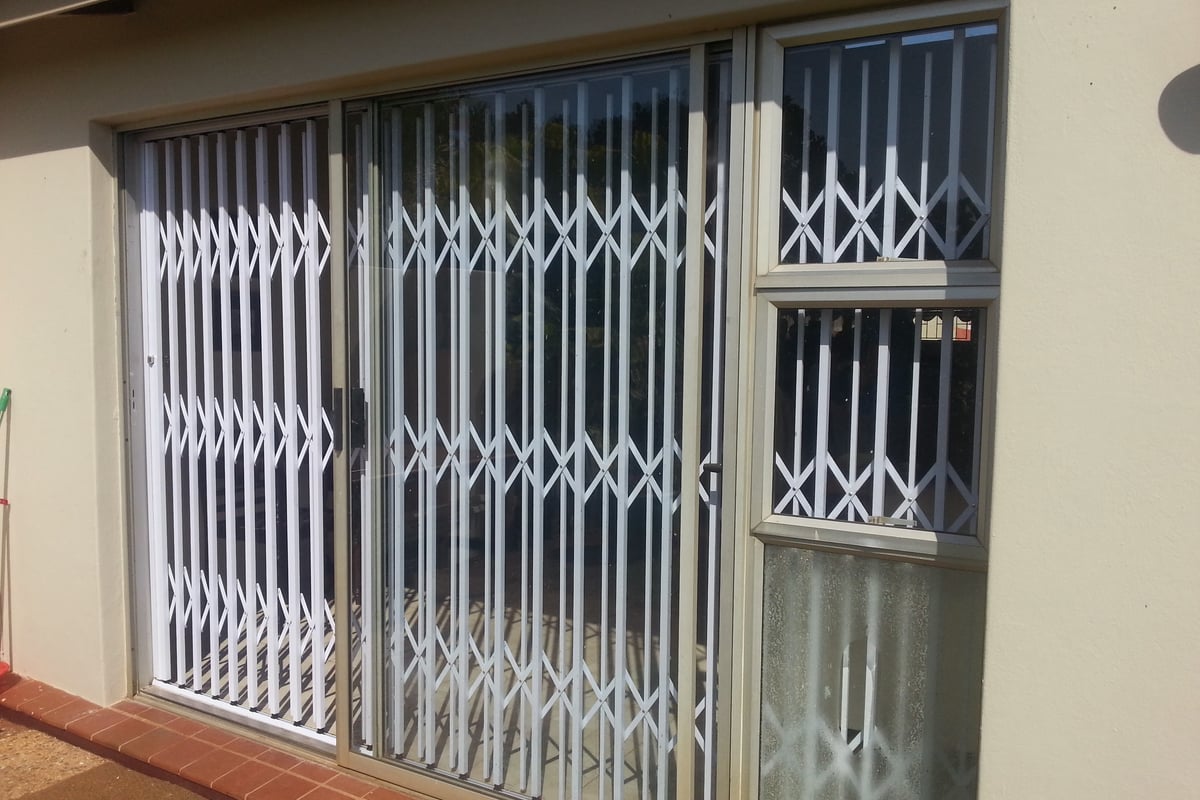
Video monitoring documents attempts but cannot physically prevent access. Combining monitored cameras with robust physical barriers creates multiple obstacles for intruders. Quality security gates, burglar bars, and access control systems force criminals to spend more time on-site, increasing detection likelihood and intervention opportunities.
The most effective security designs make intrusion difficult while ensuring monitoring systems capture clear evidence of any attempts. This combination maximizes both deterrence and prosecution success rates.
Linking intrusion detection sensors with your security camera monitoring service enables immediate visual verification when alarms trigger. Operators instantly view camera feeds from alarmed zones, distinguishing real threats from false alarms within seconds.
This integration dramatically reduces false alarm dispatches that waste law enforcement resources and potentially incur fines. Consumer guidance on home security systems emphasizes the value of integrated approaches over fragmented solutions.
For commercial properties, integrating access control systems with monitored cameras creates powerful security and operational intelligence. Cameras automatically record when doors unlock, creating audit trails of facility access. Monitoring centers detect when doors open outside authorized hours or when credentials are used suspiciously.
This integration proves particularly valuable for businesses with valuable inventory, sensitive data, or regulatory compliance requirements around access documentation.
The security camera monitoring service industry continues evolving as new technologies enhance capabilities and reduce costs.
Modern AI-powered cameras distinguish between people, vehicles, and animals with remarkable accuracy. They recognize specific individuals, detect unusual behavior patterns, and identify objects like unattended bags or removed items.
These analytics reduce false alarms significantly, allowing monitoring centers to focus on genuine threats. Some advanced systems learn normal activity patterns for specific properties and flag deviations automatically.
However, AI remains imperfect. The human operators at monitoring centers provide essential judgment that algorithms cannot yet match, especially for ambiguous situations requiring context and discretion.
Processing video analytics at the camera edge rather than in centralized servers reduces bandwidth requirements and latency. Edge computing enables real-time alerts without waiting for footage to upload to cloud servers.
This architecture matters most for properties with limited internet connectivity or situations requiring split-second response times. Cameras make initial threat assessments locally, then alert monitoring centers only when predefined conditions occur.
Leading security camera monitoring service providers now deploy mobile apps that give property owners direct windows into monitoring center activities. Push notifications show what operators are seeing, allowing owners to provide context or confirm authorization for people on-site.
Some services enable two-way communication where property owners can speak through cameras while monitoring centers handle threat assessment and response coordination. This collaborative approach combines professional expertise with owner knowledge.
Professional monitoring transforms security cameras from passive recording devices into active protection systems that detect threats, verify incidents, and coordinate rapid responses. The investment delivers peace of mind through 24/7 vigilance and expert intervention that standalone systems cannot provide. Whether you're protecting your home, business, or commercial property, Limax Security Specialists combines cutting-edge monitoring technology with robust physical security solutions including security gates, burglar bars, and advanced access control systems designed for South African security needs.


