
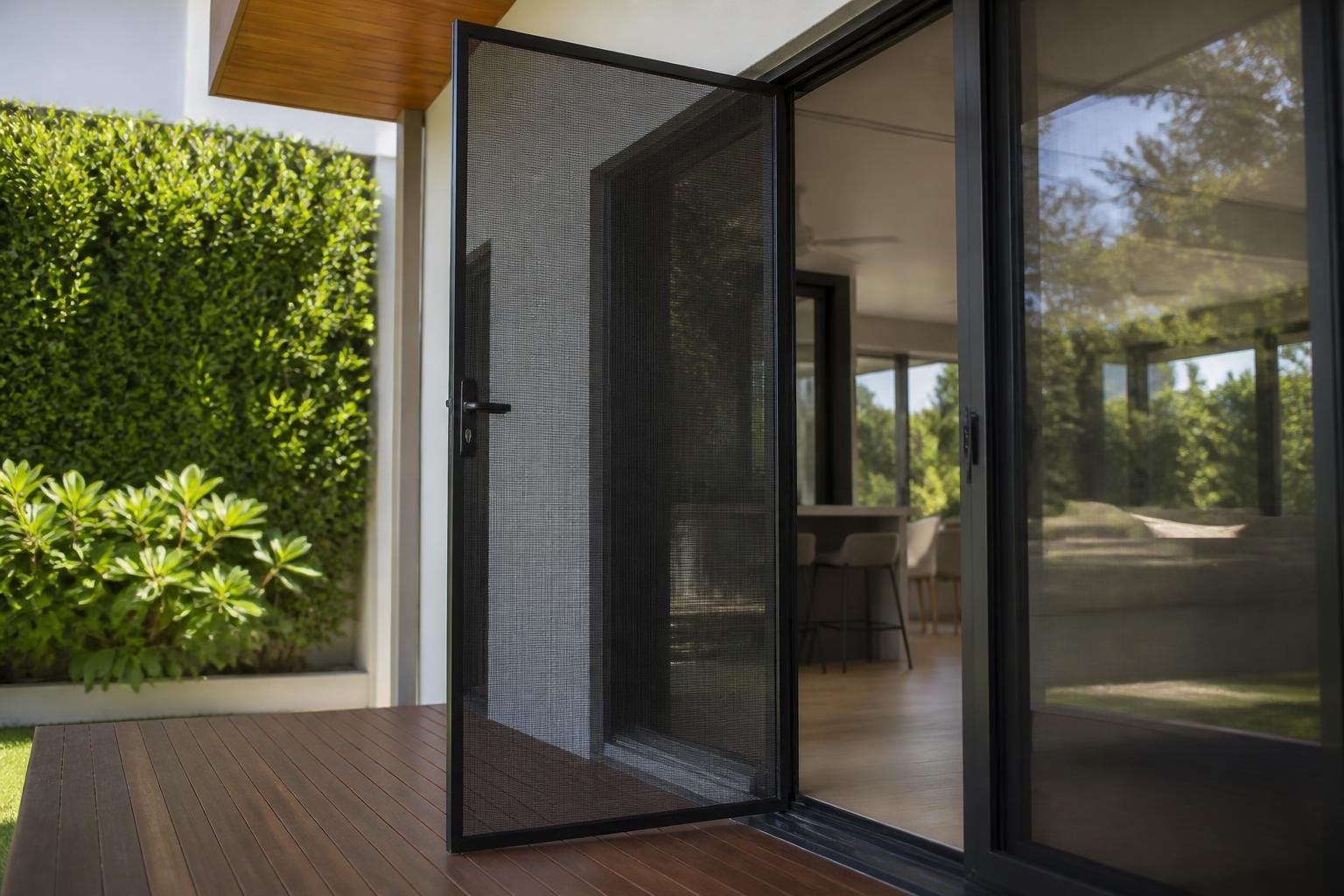
Aluminium screen doors have become an essential component of modern security solutions for South African homes and businesses. These versatile installations offer far more than simple insect protection; they provide a critical layer of security while maintaining ventilation, visibility, and architectural appeal. As property owners increasingly seek solutions that balance protection with livability, understanding the technical specifications, security features, and performance characteristics of aluminium screen doors becomes crucial for making informed investment decisions.
The material science behind aluminium screen doors explains their dominance in the security and fenestration markets. Aluminium alloys used in door manufacturing typically fall within the 6xxx series, particularly 6063 and 6061 grades, which offer exceptional strength-to-weight ratios and corrosion resistance. According to recent research on aluminum alloy corrosion, the 6xxx series demonstrates superior performance in outdoor environments when properly treated and coated.
Modern aluminium screen doors leverage specific alloy characteristics:
The lightweight nature of aluminium significantly reduces stress on hinges and mounting hardware, extending operational lifespan while maintaining security integrity. This becomes particularly important in high-traffic commercial applications where door cycling frequency can exceed 50 operations per day.
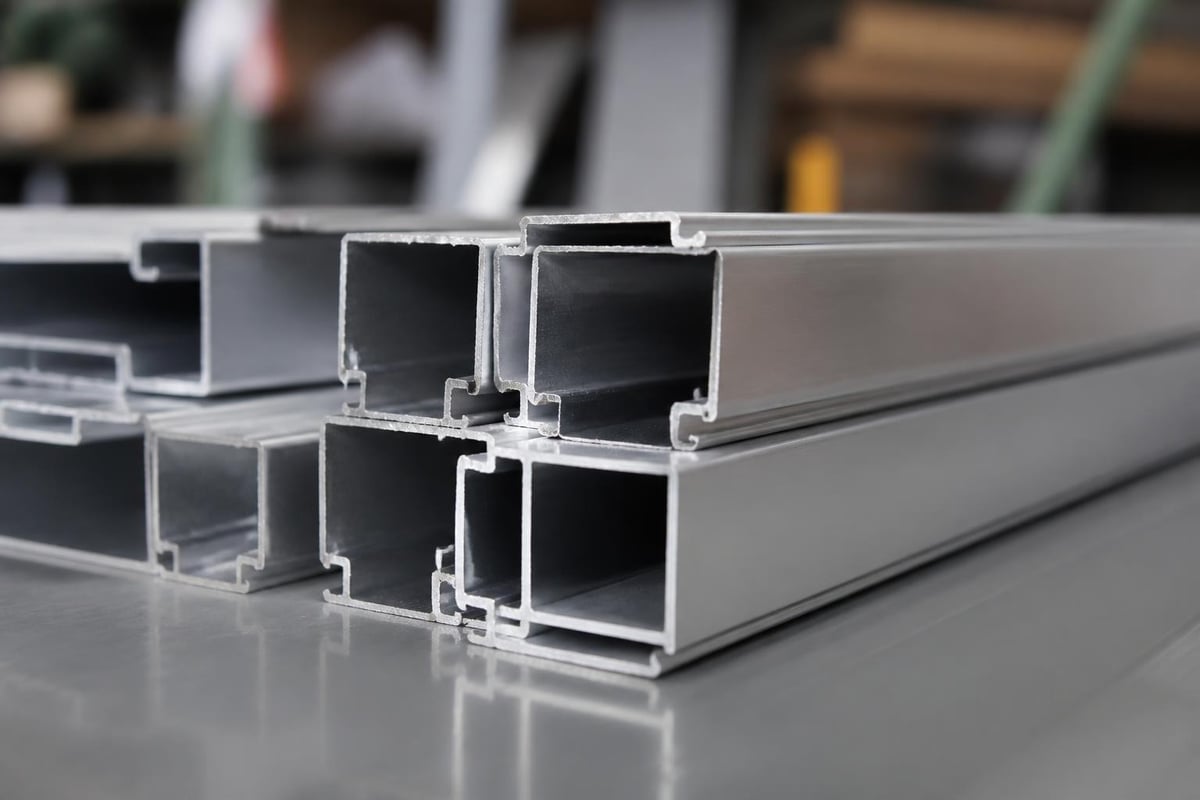
Frame extrusion processes allow manufacturers to create complex profiles that integrate locking channels, weather sealing grooves, and reinforcement ribs within a single piece. These hollow-section designs maximize structural performance while minimizing material usage and overall door weight.
The primary function of aluminium screen doors in the South African context extends beyond traditional screening applications. These installations serve as a visible deterrent and physical barrier against unauthorized entry, complementing other perimeter security measures.
Professional-grade aluminium screen doors incorporate advanced locking mechanisms that engage the frame at three or more points:
| Lock Type | Security Rating | Typical Application |
|---|---|---|
| Three-point mortise | Medium-High | Residential entry doors |
| Multi-point espagnolette | High | Commercial facilities |
| Deadbolt with surface bolt | Medium | Secondary access points |
| Electronic integration | Variable | Smart home systems |
When properly installed with reinforced strike plates and hardened steel components, these locking systems meet or exceed standards referenced by organizations such as the Fenestration & Glazing Industry Alliance, which publishes technical guidelines for security door performance.
The frame-to-wall anchoring system proves equally critical. Quality installations use through-bolted connections at 300-400mm intervals, distributing force across the building structure rather than relying solely on surface-mounted fixings. This approach transforms the entire door assembly into an integrated security element rather than an isolated component.
Security-conscious property owners often pair aluminium screen doors with burglar guards for comprehensive window and door protection. Clear Shield Security Screens combine high-strength stainless-steel mesh with sleek aluminium frames to deliver intrusion resistance without obstructing views or airflow, creating a layered security approach that addresses multiple vulnerability points.
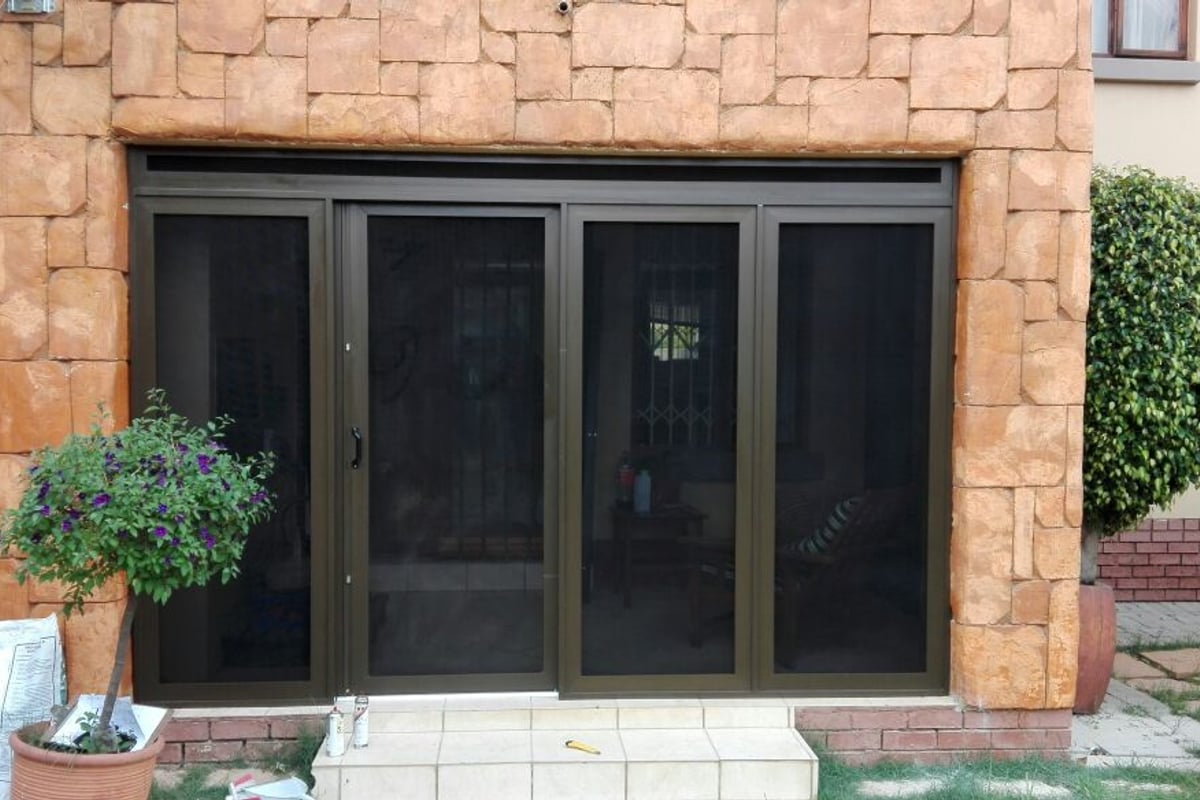
The screening material itself contributes significantly to overall security performance. Standard insect mesh (0.9mm wire diameter) provides minimal security, while security-grade options include:
Testing protocols from ASTM building standards evaluate mesh performance under knife penetration, impact loading, and sustained force application. Professional security installations typically specify materials capable of withstanding 250-500 Newton sustained loads without failure.
Aluminium's high thermal conductivity (approximately 205 W/m·K) presents both challenges and opportunities in door design. Without proper engineering, metal frames can create significant thermal bridges that compromise building envelope performance and increase heating or cooling loads.
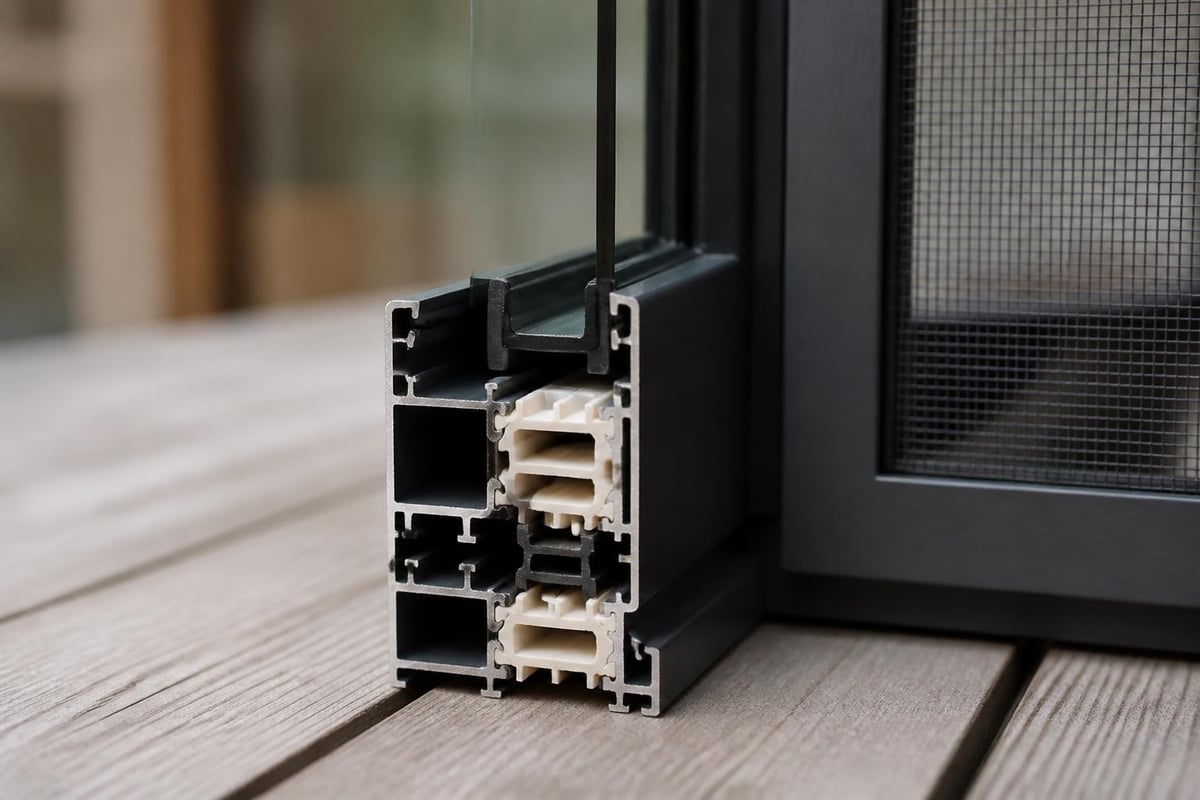
Modern aluminium screen doors address heat transfer through polyamide thermal breaks, which are non-metallic insulating barriers installed within the frame profile. These breaks typically reduce the frame's U-factor by 40-60% compared to non-thermally-broken designs.
The ASHRAE Handbook guidance on fenestration provides detailed calculation methods for determining effective thermal performance. For South African climates, particularly in cooler highveld regions, thermal performance becomes increasingly relevant for year-round comfort and energy efficiency.
Key thermal performance indicators include:
Door assemblies that meet or exceed requirements outlined in ANSI/ASHRAE/IES Standard 90.1 deliver measurable energy savings while maintaining security functionality. In South African conditions, targeting U-factors below 3.5 W/m²·K and SHGC values between 0.25-0.40 typically optimizes performance.
The corrosion resistance of aluminium screen doors depends heavily on surface preparation and finishing processes. Raw aluminium naturally forms a protective oxide layer approximately 2-3 nanometers thick, but this passive protection proves insufficient for coastal, industrial, or high-humidity environments common throughout South Africa.
Professional surface treatments extend service life and maintain aesthetic appearance:
| Treatment Type | Coating Thickness | Salt Spray Resistance | UV Stability |
|---|---|---|---|
| Class I Anodizing | 18-25 μm | 1,000+ hours | Excellent |
| Class II Anodizing | 10-18 μm | 500-1,000 hours | Excellent |
| Polyester Powder Coat | 60-100 μm | 1,000+ hours | Good |
| PVDF (Kynar) | 25-40 μm | 3,000+ hours | Excellent |
Anodizing creates a controlled oxide layer through electrochemical processing, transforming the surface aluminum into aluminum oxide. This integral coating cannot flake or peel because it forms from the base material itself. Color options remain limited to metallic tones, bronze, and black.
Powder coating applies dry polymer particles that melt and fuse under heat, creating a continuous film with superior impact resistance and color variety. The sustainability reports from The Aluminum Association note that both anodizing and powder coating processes support aluminum's circular economy credentials through minimal waste generation and full recyclability at end-of-life.
Coastal installations within 5 kilometers of saltwater exposure require enhanced protection specifications. Marine-grade anodizing (Class I) or fluoropolymer topcoats provide the necessary corrosion resistance to maintain appearance and structural integrity over 15-25 year service intervals.
Proper installation techniques determine whether aluminium screen doors achieve their designed security and performance ratings. Field conditions introduce variables that laboratory testing cannot fully replicate, making installation expertise critical.
Foundation preparation begins with substrate assessment:
Frame alignment tolerances should not exceed 2mm deviation across diagonal measurements to ensure proper operation and weathersealing. Misalignment creates uneven stress distribution, accelerates wear on moving components, and may compromise locking engagement.
Professional installers verify plumb, level, and square conditions before final anchoring. Shimming materials must be non-compressible (typically stainless steel or high-density polymer) to maintain long-term alignment under thermal cycling and operational loads.
Effective weathersealing systems manage both air infiltration and water intrusion. Modern aluminium screen doors incorporate multiple sealing strategies:
Water management design follows gravity-driven principles, creating positive drainage planes that direct moisture away from interior spaces. The Federal Register references to fenestration standards in manufactured housing regulations highlight the regulatory importance of proper water-resistant barrier integration, principles equally applicable to site-built installations.
Aluminium screen doors require systematic maintenance to preserve security functionality and aesthetic appearance. Unlike timber products, aluminium eliminates concerns about rot, warping, or termite damage, but mechanical components and surface finishes still demand periodic attention.
Monthly inspections should verify:
Quarterly maintenance includes:
Annual professional service covers:
Coastal environments may require more frequent cleaning cycles (bi-weekly to monthly) to remove salt deposits before they compromise surface treatments. Corrosion typically initiates at coating defects, so prompt repair of scratches or impact damage prevents progressive deterioration.
Contemporary aluminium screen doors have evolved beyond purely functional security barriers to become architectural elements that enhance property aesthetics. Frame profiles, finish options, and panel configurations now support diverse design preferences from traditional to ultra-modern.
| Style Profile | Frame Width | Typical Mesh | Best Application |
|---|---|---|---|
| Traditional | 65-75mm | Security screen | Heritage properties |
| Contemporary | 45-55mm | Fine insect mesh | Modern residential |
| Commercial | 75-100mm | Perforated sheet | Business premises |
| Minimalist | 35-45mm | Stainless weave | High-end custom |
Color selection extends beyond standard mill finish to encompass powder-coated options in virtually any RAL or custom specification. Popular South African choices include anthracite grey, charcoal, bronze, and dual-tone combinations that coordinate with window frames, fascia, and architectural trim.
Panel configuration options include single-swing, double-swing, sliding, bi-fold, and stacking systems. Each configuration presents distinct security implications. Sliding systems require anti-lift devices and robust track engagement to prevent forced removal. Bi-fold designs need careful specification of locking hardware that secures all panels in the closed position.
Ventilation requirements often drive design decisions. Full-height screen doors maximize airflow while maintaining security, particularly valuable in South African climates where natural ventilation reduces cooling loads. Positioning screen doors as the exterior layer (ahead of solid security doors or standard entry doors) optimizes this ventilation benefit while preserving privacy options through the inner door.
Selecting aluminium screen doors for security-focused installations requires evaluation across multiple performance dimensions. Generic screening products lack the engineering rigor necessary for effective intrusion deterrence.
When evaluating products for security applications, prioritize:
Quality manufacturers provide technical documentation including engineering calculations, test reports, and installation specifications. This transparency indicates professional-grade products designed to perform under real-world security challenges rather than meeting minimum screening standards alone.
Third-party certification programs validate performance claims through independent laboratory testing. While South Africa lacks mandatory certification for screen doors, voluntary compliance with international standards provides quality assurance. Look for testing to ASTM F2090 (impact resistance), ASTM F588 (forced-entry resistance), or equivalent protocols.
Investment in aluminium screen doors requires balancing initial cost against lifecycle value:
Economy tier products ($150-300 per square meter installed) typically feature:
Professional tier installations ($400-700 per square meter installed) deliver:
Premium tier solutions ($800-1,500+ per square meter installed) provide:
Lifecycle cost analysis should factor maintenance requirements, expected service life, and insurance implications. Many insurers offer premium reductions for properties with certified security installations, potentially offsetting higher initial investment over 5-10 year periods.
Modern aluminium screen doors increasingly incorporate electronic components that extend functionality beyond passive barriers. Smart home integration allows remote monitoring, automated operation, and security system coordination.
Contemporary access control technologies compatible with aluminium screen door platforms include:
Integration complexity varies by system sophistication. Basic electric strike installation requires minimal door modification, adding electromagnetic locking while preserving mechanical backup. Advanced systems may incorporate door position sensors, tamper alarms, and automatic closing mechanisms that coordinate with building security protocols.
Battery-powered smart locks offer retrofit solutions for existing aluminium screen doors without hardwired electrical infrastructure. These systems typically operate 6-12 months on standard batteries while providing Bluetooth or Wi-Fi connectivity for remote management. However, professional installations requiring fail-secure operation (doors lock during power failure) or fail-safe function (doors unlock during emergencies) necessitate permanent power connections and backup systems.
While South African building regulations do not mandate security doors in residential construction, various code provisions affect installation requirements. National Building Regulations Part T (Fire protection) governs door installations in fire-rated walls, and Part N (Buildings in fire districts) may restrict combustible materials in certain applications.
Municipal bylaws in high-risk areas sometimes specify minimum security requirements for new construction or substantial renovations. Johannesburg, Cape Town, and Durban metro regions have issued periodic guidelines recommending security door installation as part of crime prevention through environmental design (CPTED) strategies.
Aluminium screen doors generally comply with fire safety requirements more readily than many alternative materials due to aluminum's non-combustible classification. However, mesh materials, weathersealing, and locking components require evaluation in fire-rated applications. Doors forming part of emergency egress routes must meet panic hardware and opening force limitations specified in SANS 10400-T.
Energy efficiency regulations continue evolving, with progressive jurisdictions considering fenestration performance requirements for thermal comfort and energy conservation. Aluminium screen doors with thermal breaks and appropriate glazing can contribute to overall building envelope performance, supporting compliance with voluntary green building certifications such as Green Star SA or EDGE certification programs.
Aluminium screen doors represent a sophisticated security solution that balances intrusion resistance, environmental durability, and architectural integration for South African properties. Understanding material specifications, security features, and installation requirements enables property owners to make informed decisions that enhance protection without compromising livability. Whether you're upgrading residential security or specifying commercial access control, Limax Security Specialists offers professional consultation and installation services tailored to your specific requirements, combining technical expertise with proven security solutions that deliver lasting peace of mind.


